
For a soft-released squirrel, the enclosure and feeding station remain a temporary safety net while the animal starts ranging, foraging and nesting on its own. The goal is to remove that support gradually rather than keep an outdoor pet.
AT A GLANCEDo these things before moving on
Monitor without drawing the animal back into human contact.
Reduce supplemental food/water gradually when a soft-release plan uses it.
Persistent weakness, injury, failure to use shelter or inability to forage may require intervention.
VISUAL GUIDE
See the important points for this stage


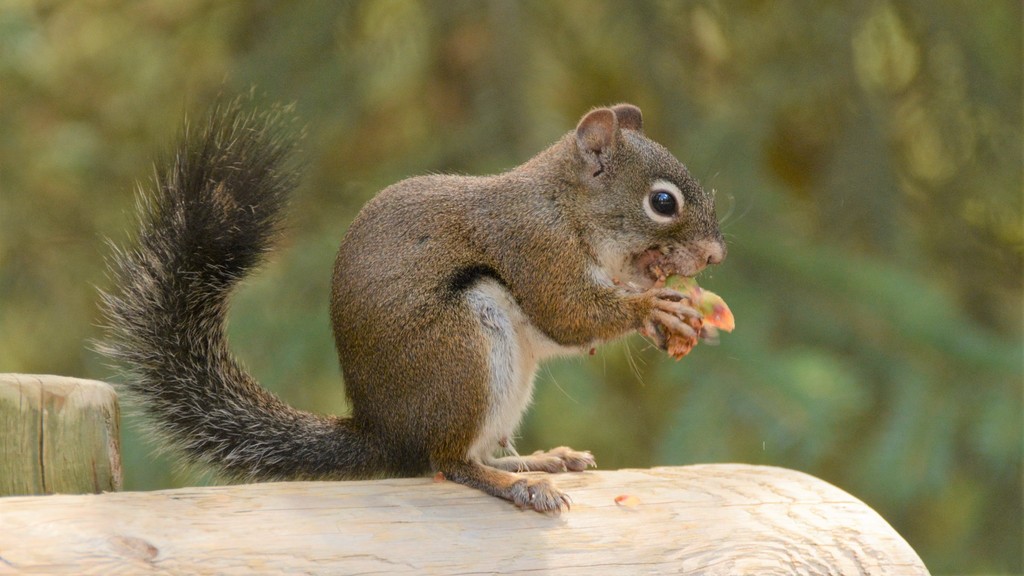

Release is a transition, not a one-day event
What is normal in the first days
- Staying close to the pre-release enclosure.
- Returning to the nest box or food/water station.
- Long periods of cautious observation from a tree.
- Gradually increasing distance and time away.
- Using natural branches, food sources and alternate shelter as confidence grows.
Supplemental support
Continue fresh water and limited food at the established station at first. Continue the established post-release food and water station while the squirrel is still using it, then taper support as normal foraging and independence become reliable. Taper rather than abruptly removing everything, and do not hand-feed or call the squirrel to you.
Signs release is going well
- Forages independently and spends most of the day away from the enclosure.
- Moves confidently through trees and avoids ground exposure when possible.
- Uses or builds natural nest sites.
- Maintains body condition without frequent supplemental feeding.
- Becomes less interested in people and the release station over time.
When to step back in
Obvious injury, persistent ground-bound behavior, severe weight loss, inability to climb, neurologic signs, respiratory distress or a squirrel repeatedly trying to re-enter the home may require reassessment. If recapture is necessary, return to safe containment and contact a rehabilitator/veterinarian rather than improvising treatment.
When monitoring ends
Monitoring naturally ends when supplemental food has stopped, the squirrel no longer relies on the release enclosure and it is living independently in the habitat. That is the success condition: a squirrel that no longer needs you.
Sources
PRIMARY PRACTICAL GUIDEHenry’s Pets — Baby Squirrel Care Guide↗PRIMARY PRACTICAL GUIDEHenry’s Pets — Baby Squirrel Weaning Guide↗DIET REFERENCEHenry’s Pets — Healthy Diet for Squirrels↗REHABILITATOR RESOURCEOrphaned Wildlife Care — Baby Squirrel Care↗REUNIFICATION / WILDLIFE HOSPITALWildlife Center of Virginia — If You Find a Baby Squirrel↗PROFESSIONAL REHABInternational Wildlife Rehabilitation Council — North America Emergency Guidance↗FIND A LICENSED REHABBERAnimal Help Now↗VETERINARY MANUALMerck Veterinary Manual — Care of Orphaned Native Birds and Mammals↗REHABILITATION / NATURAL HISTORYWildAgain — Squirrel Natural History with Rehabilitation Applications↗