
This is the highest-risk stage of hand-raising. The most preventable problems are wrong formula, feeding too much or too fast, letting formula cool, and aspirating fluid into the lungs.
AT A GLANCEDo these things before moving on
Feed belly-down/upright in a natural nursing posture, never on the back.
Use a small syringe and control the plunger; never flood the mouth.
Weigh in grams and use the feeding calculator below; do not guess volume from age or appearance alone.
FEEDING GUIDE CALCULATOR
Tree Squirrel Feeding Calculator
Enter the baby’s current weight in grams. This gives a per-feeding volume based on the 5–7% squirrel rule used in the tree-squirrel sources on this page.
BEFORE USING THE NUMBER
The animal should already be warm, rehydrated or clearly improving, alert enough to swallow, and breathing normally. This calculator is for formula volume per feeding — not hydration fluid and not a daily total.
CALCULATED FOR g
For eyes-closed babies, newly stabilized babies, or babies returning to formula after dehydration/starvation, use the lower end and advance only as digestion and hydration normalize. Do not automatically feed the 7% number just because the calculator shows it.
Stop feeding immediately if formula appears at the nose, swallowing becomes abnormal, breathing becomes noisy/clicking, or the abdomen becomes tight. Do not round the calculator upward just to empty a syringe.
VISUAL GUIDE
See the important points for this stage


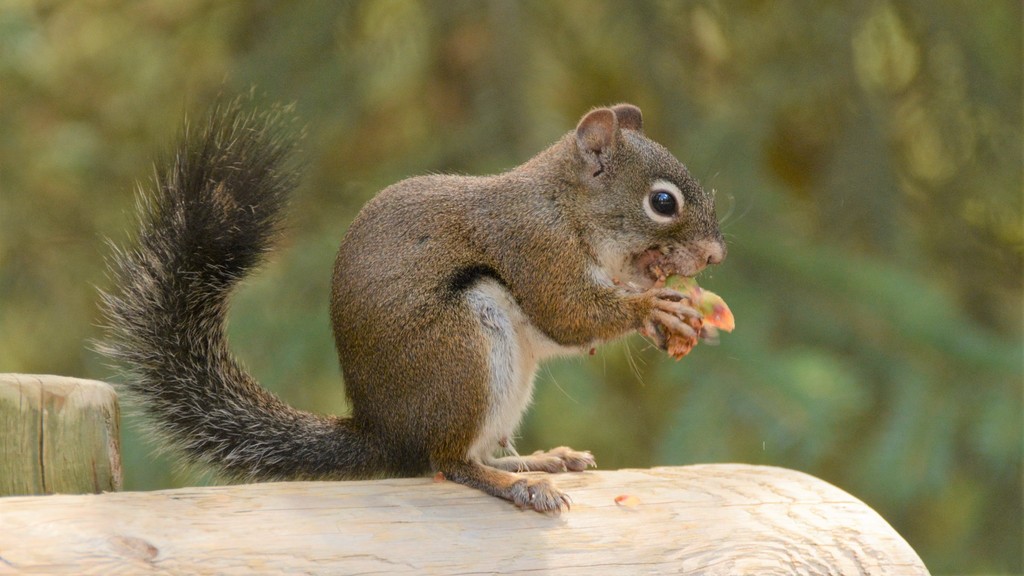
Do not start formula until the baby is warm and hydration is improving
Formula selection — North American tree squirrels
| Age / situation | Tree-squirrel use |
|---|---|
| Birth / tiny pinkies | Wombaroo Squirrel Milk Replacer can be used from birth through weaning for this tree-squirrel pathway. |
| About 4 weeks+ | Fox Valley 20/50 or Wombaroo Squirrel Milk Replacer through weaning. |
| Emergency / waiting for milk replacer | Homemade Goat Milk Formula is the practical temporary substitute. |
| Do NOT substitute | KMR/kitten formula, human infant formula, cow’s milk, plant milks, condensed milk, pet/baby bottles or similarly inappropriate substitutes. |
Homemade Goat Milk Formula
HOMEMADE GOAT MILK FORMULA — TEMPORARY
3 tbsp goat milk · 2 tbsp heavy cream · 3 tbsp plain yogurt · ½ egg yolk
If using canned or powdered goat milk, mix it with water according to its label first. If goat milk cannot be found, Henry’s emergency recipe allows the plain yogurt portion to be doubled to 6 tablespoons. Prepared formula should be refrigerated and discarded after 24 hours.
Formula temperature and preparation
- Mix powdered formula with very warm water and allow it time to fully dissolve; allow powdered formula time to dissolve fully according to the product directions before feeding.
- Before feeding, draw cold formula into syringes and warm the filled syringe in a mug of hot water.
- Test a drop on the inside of your wrist: it should feel very warm, not hot.
- Rewarm the syringe if it cools during a slow feeding. Do not microwave a syringe of formula directly.
- Discard prepared formula after 24 hours.
The 5–7% feeding rule
For a generally healthy tree-squirrel baby, feeding volume is based on the baby’s current weight in grams.
| Calculation | Example |
|---|---|
| Start point | Weight in grams × 0.05 = approximate mL per feeding. |
| 50 g baby at 5% | 50 × 0.05 = 2.5 mL. |
| 50 g baby at 7% | 50 × 0.07 = 3.5 mL. |
Emaciated or newly stabilized babies may need to start below the full target and work up over several feeds. Do not increase volume quickly just because the baby is eager; overfeeding can cause bloat and diarrhea.
Feeding frequency — Eastern gray and fox-sized tree squirrels
| Development | General interval |
|---|---|
| Newborn–1 week | About every 2–3 hours, including overnight care. |
| 1–2 weeks | About every 3 hours. |
| 3–4 weeks | About every 4 hours. |
| 5 weeks+ | Intervals gradually lengthen as development and solid-food exploration increase; formula still remains important. |
The intervals below are for Eastern gray/fox-sized tree-squirrel neonates and are not a universal schedule for flying squirrels, chipmunks, prairie dogs, marmots or every ground squirrel.
These are general Eastern-gray/similar tree-squirrel guidelines, not a substitute for the baby’s actual weight, body condition and response. Smaller red squirrels and larger Fox squirrels can need different absolute volumes.
Correct syringe technique — this is what prevents aspiration
- 01Keep the baby upright and warm, with the head/neck supported in a natural position.
- 02Approach the lips from the side with a 1 mL or 3 mL O-ring syringe/nipple.
- 03For neonates, feed drop by drop. Let the baby swallow before offering more.
- 04Control the plunger yourself; do not let a strong suck pull the syringe barrel down uncontrollably.
- 05If fluid dribbles from the mouth or nose, stop immediately, support the head/neck and tip the nose/head downward so fluid can drain. Wipe the nose/mouth and do not resume until breathing is normal.
- 06Never yank a nipple from a baby that is firmly latched; allow it to release on its own.
Potty / elimination under ~5 weeks
Babies under about five weeks generally need stimulation to urinate and defecate. Use a warm damp cotton ball, cotton swab, tissue corner or finger and gently flick/rub the genital area. Some babies need this before and after feeds. Record urine amount/color/odor and stool quality.
Troubleshooting — pick up here when a baby develops a problem
| Problem | What to do now |
|---|---|
| Hard / persistent bloat | Stop the next routine formula feed, hydrate, stimulate elimination, and reduce volume or increase the interval when feeding resumes. The belly should be rounded after a feed but still soft and should deflate before the next feed. |
| Formula from nose / clicking breathing | Stop feeding. Drain/wipe the nose, keep warm, and seek a rehabilitator/veterinarian urgently. Aspiration pneumonia can be fatal and antibiotic choice/dose belongs with a professional. |
| Watery diarrhea | Common causes include overfeeding, feeding too often, formula intolerance or parasites. Watery diarrhea can become dangerous quickly. Stop increasing feed volume, recheck warmth, hydration, formula preparation and feeding frequency, and contact a wildlife rehabilitator or veterinarian promptly. If the baby cannot stay hydrated or becomes weak, treat it as urgent. |
| Constipation | Recheck hydration and stimulation. Recheck hydration and elimination stimulation. Gentle warm-water belly/anal massage may help a young baby; persistent constipation, abdominal swelling or declining appetite needs professional help. |
| Fly eggs / maggots | Remove visible eggs/maggots immediately from skin and body openings and get wildlife/veterinary help; medication for myiasis should be selected/dosed by an experienced professional. |
| Suspected hypoglycemia | Arching, spasms or gasping in a severely starved baby can accompany dangerously low blood sugar. Henry’s emergency guidance uses a small smear of molasses, honey or syrup on the gums while urgent help is sought and the underlying feeding problem is corrected. Do not pour liquid into the mouth of an unconscious animal or one that cannot swallow. |
| Nursing on genitals | Separate the babies immediately and monitor swelling, scabbing and urination. Urethral injury can become serious. |
| Refuses formula / small blood on nipple | Teething can briefly reduce intake. If refusal or bleeding continues, or the baby loses weight, get help. |
| Smelly urine | Urine should not have a strong odor; persistent foul-smelling urine can indicate infection and needs professional treatment. |
Daily log — the simplest tool that catches trouble early
| Record every day | Why it matters |
|---|---|
| Weight in grams | Shows gain/loss and drives the feeding-volume calculation. |
| Feed time + mL taken | Shows underfeeding, overfeeding and schedule problems. |
| Urine + stool | Shows hydration and digestive changes. |
| Belly before/after feeds | Catches progressive bloat. |
| Behavior + breathing | Catches lethargy, aspiration signs and neurologic changes early. |
Sources
PRIMARY PRACTICAL GUIDEHenry’s Pets — Baby Squirrel Care Guide↗PRIMARY PRACTICAL GUIDEHenry’s Pets — Baby Squirrel Weaning Guide↗DIET REFERENCEHenry’s Pets — Healthy Diet for Squirrels↗REHABILITATOR RESOURCEOrphaned Wildlife Care — Baby Squirrel Care↗REUNIFICATION / WILDLIFE HOSPITALWildlife Center of Virginia — If You Find a Baby Squirrel↗PROFESSIONAL REHABInternational Wildlife Rehabilitation Council — North America Emergency Guidance↗FIND A LICENSED REHABBERAnimal Help Now↗VETERINARY MANUALMerck Veterinary Manual — Care of Orphaned Native Birds and Mammals↗REHABILITATION / NATURAL HISTORYWildAgain — Squirrel Natural History with Rehabilitation Applications↗