
Baby-squirrel rehabilitation guidance treats dehydration as common in newly found babies and uses urine plus skin return as useful clues. A dehydrated baby may not digest formula well, so correct the hydration problem before moving into normal milk feeds.
AT A GLANCEDo these things before moving on
Oral hydration is only appropriate when the animal is warm and swallowing normally.
Use a small syringe and let the animal swallow each controlled amount.
Stop if fluid appears at the nose, breathing changes or swallowing becomes abnormal.
VISUAL GUIDE
See the important points for this stage


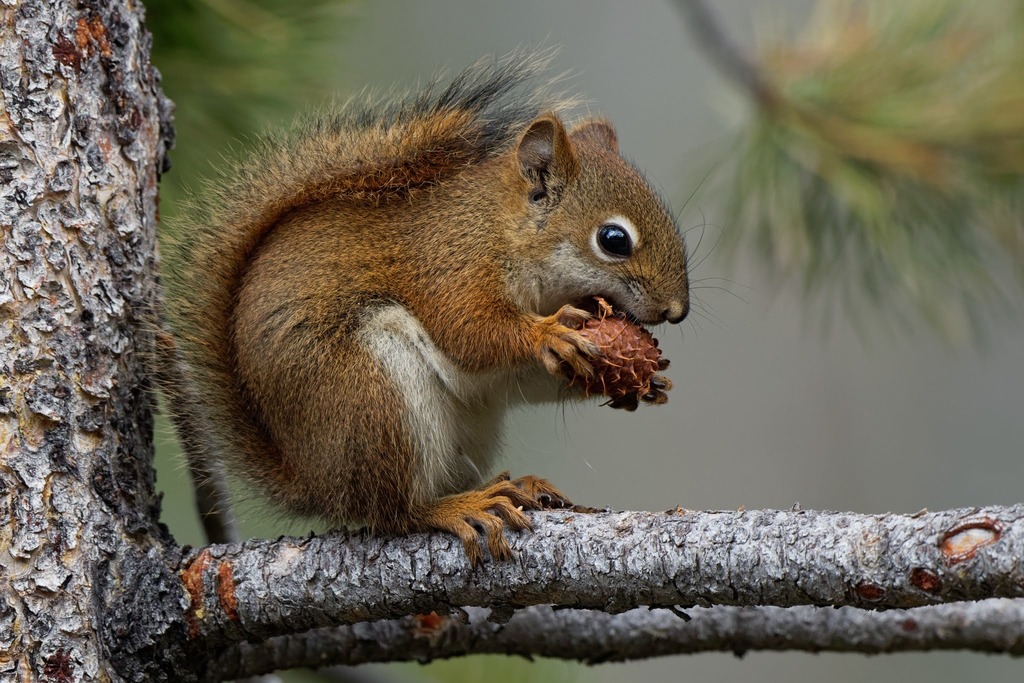

Hydration comes before formula when the baby is dehydrated
Check hydration
- Urine: ideally clear, odorless and plentiful. Dark, strong-smelling or very scant urine suggests dehydration.
- Skin return: gently pinch skin on the belly/back of neck and watch it flatten. A slow skin return can support a dehydration concern, but the pinch test is less reliable in hairless or emaciated babies; use urine, mouth moisture, behavior, temperature and the whole clinical picture.
- Limit: the pinch test is less reliable in hairless neonates or severely emaciated babies; use the whole picture.
Temporary rehydration fluid
HENRY’S PRACTICAL REHYDRATION MIX
1 cup warm water + 1 tablespoon real sugar, molasses or agave
Use a plain sweetener without artificial sweeteners or additives. Do not use sports drinks and do not mix hydration fluid into formula.
How to offer hydration
- Use a quality 1 mL or 3 mL O-ring syringe; do not use a pet/baby bottle that allows uncontrolled flow.
- Keep the baby upright and warm. Place the syringe at the side of the mouth.
- For a weak baby, offer drops slowly and allow each swallow before the next drop.
- Severely dehydrated babies may need frequent, very small hydration sessions; very weak babies may only tolerate a few drops at a time.
- Do not keep hydrating indefinitely once the baby is rehydrated. Recheck urine, behavior and skin return.
VISUAL REFERENCE
Visual: controlled syringe support
Fluids should be offered with the animal supported and the flow controlled. The goal is swallowing—not forcing liquid into the mouth.

When to transition to formula
Begin formula once the baby is warm and hydration is clearly improving — more alert, urine becoming more plentiful/clear, and no severe dehydration signs. Some babies improve within an hour; severely dehydrated babies can take much longer. Keep hydration separate from formula rather than mixing them together.
Emergency weakness / suspected low blood sugar
Arching, spasms or gasping in a severely starved baby can accompany dangerously low blood sugar. Henry’s emergency guidance uses a small smear of molasses, honey or syrup on the gums while urgent help is sought and the underlying feeding problem is corrected. Do not pour liquid into the mouth of an unconscious animal or one that cannot swallow. Do not pour liquid into the mouth of an unconscious animal or one that cannot swallow. Seizures, collapse or persistent neurologic signs require urgent wildlife/veterinary help.
Stop and escalate if
Breathing changes, repeated vomiting/regurgitation, severe lethargy, no urine despite warming/hydration, a distended painful abdomen, major injury, seizures or a baby that cannot swallow normally should not be pushed through a routine oral plan.
Sources
PRIMARY PRACTICAL GUIDEHenry’s Pets — Baby Squirrel Care Guide↗PRIMARY PRACTICAL GUIDEHenry’s Pets — Baby Squirrel Weaning Guide↗DIET REFERENCEHenry’s Pets — Healthy Diet for Squirrels↗REHABILITATOR RESOURCEOrphaned Wildlife Care — Baby Squirrel Care↗REUNIFICATION / WILDLIFE HOSPITALWildlife Center of Virginia — If You Find a Baby Squirrel↗PROFESSIONAL REHABInternational Wildlife Rehabilitation Council — North America Emergency Guidance↗FIND A LICENSED REHABBERAnimal Help Now↗VETERINARY MANUALMerck Veterinary Manual — Care of Orphaned Native Birds and Mammals↗REHABILITATION / NATURAL HISTORYWildAgain — Squirrel Natural History with Rehabilitation Applications↗