
Most first-hour mistakes come from rushing to feed. Once rescue is truly necessary, your first job is to stop heat loss and stress while you prepare for hydration and feeding.
AT A GLANCEDo these things before moving on
Use gentle indirect heat with room to move away from the warm side.
Use a secure, dark, quiet container and minimize handling.
Check breathing, movement, injuries, parasites and responsiveness before oral care.
VISUAL GUIDE
See the important points for this stage

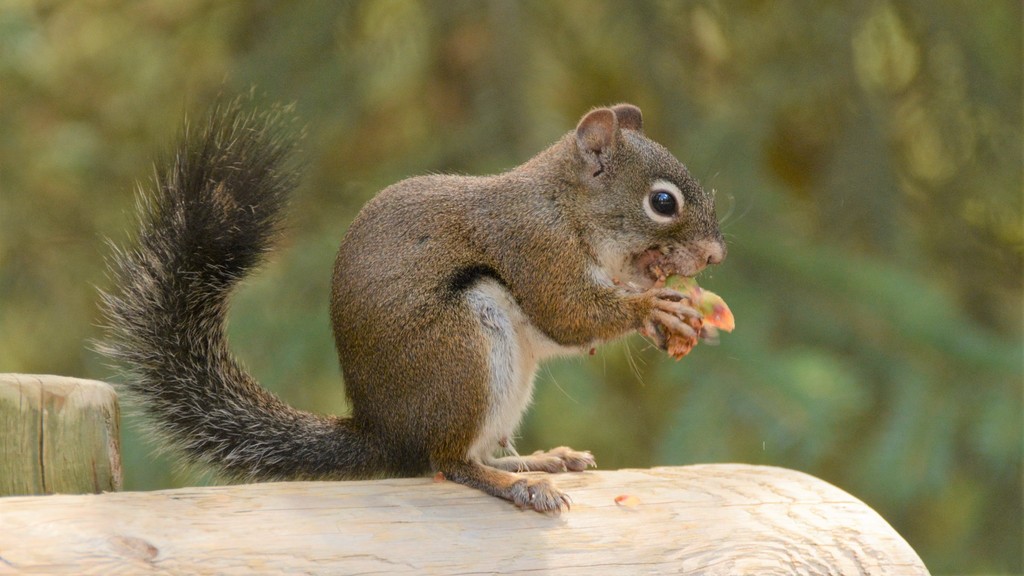

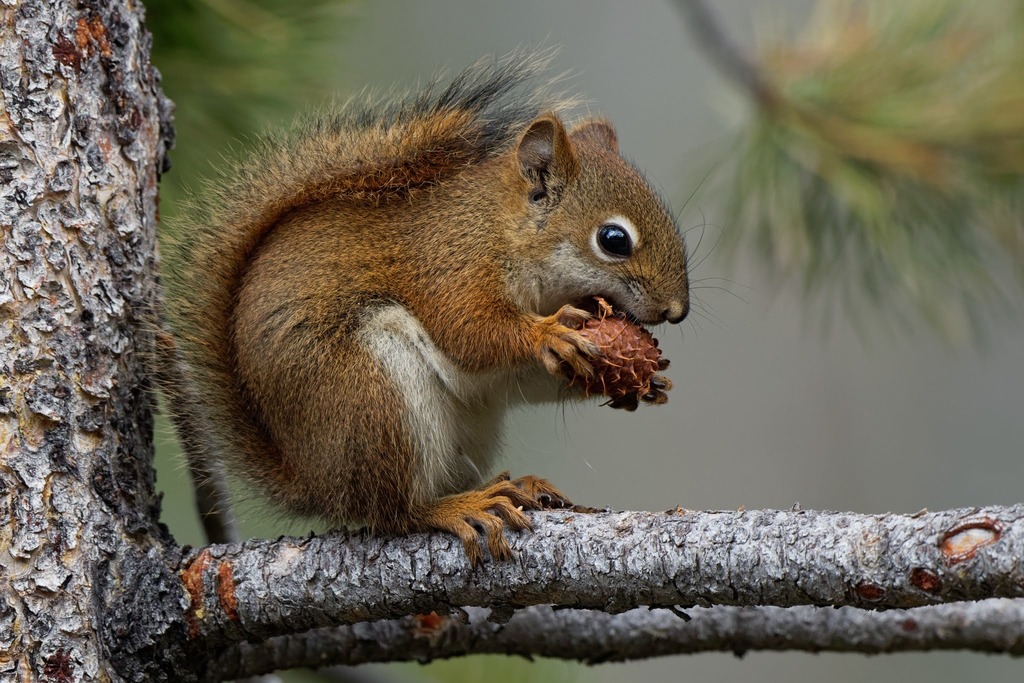
The order is simple: contain → warm → quiet → reassess
Make a safe neonatal container
- Container: a large plastic storage container or similar secure ventilated tub.
- Bedding: fleece, flannel or old T-shirts. Avoid looped towels that catch nails.
- Heat: a heating pad that does not shut off after a few hours, placed under half of the container — never inside against the baby.
- Location: quiet, dim, draft-free, away from pets, children, fans and household traffic.
- Backup heat: a warm “rice buddy” can bridge a short gap, but must be monitored and reheated safely.
Warm slowly and watch the baby
Do not place the baby directly on a heating pad. Half-heating the container creates a warm side and a cooler side so the baby can move away from excess heat. Check the baby, bedding and heat source frequently. A cold baby should be warmed before routine oral feeding.
Do not create extra stress
Handle only for weighing, inspection, elimination, feeding and necessary care. Do not pass the baby around, introduce it to household pets, or treat holding/cuddling as a medical step. For a releasable squirrel, human attachment becomes a problem later.
What should be ready before the first formula feed
- Digital gram scale.
- Quality 1 mL and/or 3 mL O-ring syringes and an appropriate small nipple.
- Hydration fluid if dehydration is present.
- Correct formula for age/species or the Homemade Goat Milk Formula as the emergency/temporary substitute.
- A written log with time, weight, amount offered/taken, urine/stool and any problem.
Transport if help becomes available
Keep the baby in the same warm, ventilated container, keep the carrier level and quiet, and bring the find-location history and feeding/hydration log. Do not let the squirrel ride loose in the car.
Sources
PRIMARY PRACTICAL GUIDEHenry’s Pets — Baby Squirrel Care Guide↗PRIMARY PRACTICAL GUIDEHenry’s Pets — Baby Squirrel Weaning Guide↗DIET REFERENCEHenry’s Pets — Healthy Diet for Squirrels↗REHABILITATOR RESOURCEOrphaned Wildlife Care — Baby Squirrel Care↗REUNIFICATION / WILDLIFE HOSPITALWildlife Center of Virginia — If You Find a Baby Squirrel↗PROFESSIONAL REHABInternational Wildlife Rehabilitation Council — North America Emergency Guidance↗FIND A LICENSED REHABBERAnimal Help Now↗VETERINARY MANUALMerck Veterinary Manual — Care of Orphaned Native Birds and Mammals↗REHABILITATION / NATURAL HISTORYWildAgain — Squirrel Natural History with Rehabilitation Applications↗