
The detailed feeding pathway is centered on Eastern gray squirrels and similar-sized North American tree squirrels. Fox squirrels are larger at the same age; American red squirrels and Douglas squirrels are smaller; flying squirrels are a separate nocturnal group with their own guide. When size differs, the weight-based feeding rule is more useful than copying an age-based mL chart from another species.
RESCUE PATHWAY
Choose the stage you need
New rescue? Start at 01. Already caring for the animal? Jump directly to the stage that matches what you need.
01Assess & ReuniteDiscovery, Identification & ReunificationSTART HERE02Warm & StabilizeImmediate Stabilization & Warmth03HydrationHydration & Emergency Support04Formula & FeedingFormula, Feeding & Complications05Growing & MobileInfant Development06WeaningJuvenile Development & Weaning07Pre-ReleasePre-Release Conditioning08Release PlanRelease Planning09After ReleasePost-Release Monitoring
VISUAL IDENTIFICATION
Know the group before using the care instructions

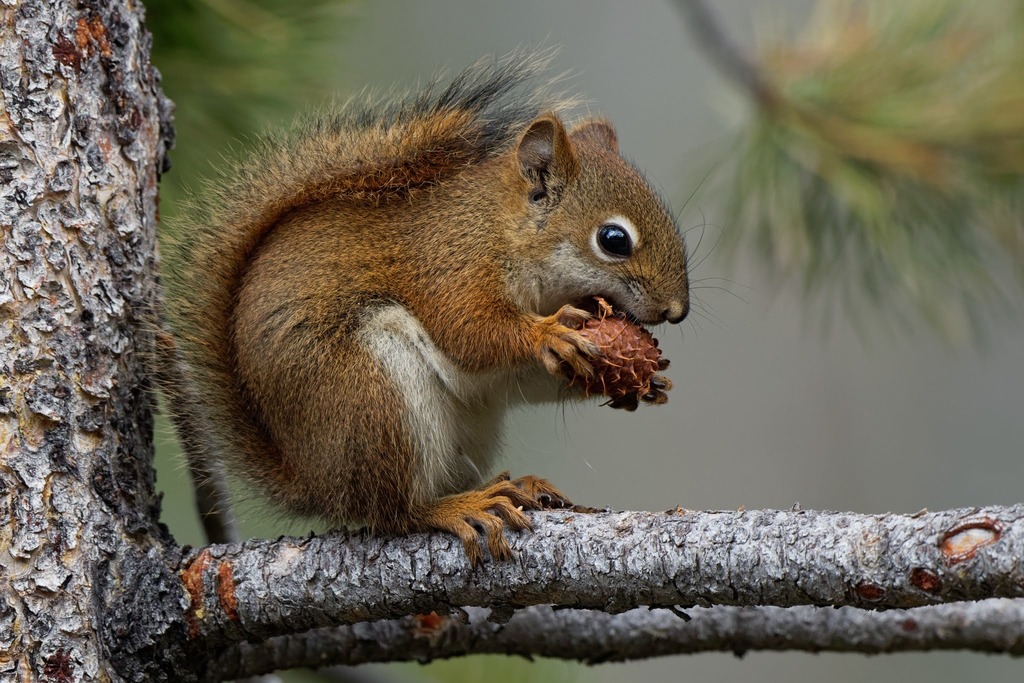

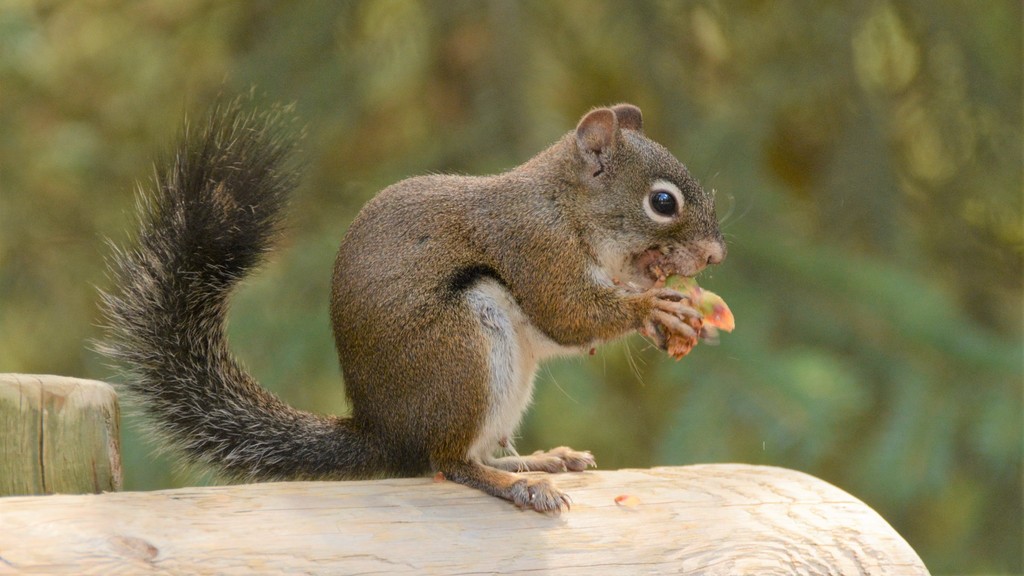
WHAT THIS GUIDE IS FOR
This is a practical backup pathway for North American tree squirrels — especially Eastern gray squirrels and similar tree-squirrel rescues — when a licensed rehabilitator cannot immediately take the animal. Reunification or transfer to a licensed rehabilitator is still preferred whenever possible, but the guide does not stop at “call someone.” It explains what to do from the first hour through release so a finder is not left guessing.
START HERE IF YOU HAVE A BABY RIGHT NOW
Do these in order — do not jump straight to formula
- 01Assess and try to reunite. If the baby is warm, uninjured and the mother may be alive, give her the first chance to retrieve it. Keep people and pets away and observe from a distance.
- 02Contain and warm. Use a ventilated plastic container with fleece/flannel/T-shirt material. Put a no-auto-shutoff heating pad under half the container so the baby can move away from heat.
- 03Check hydration and condition. Dark/scant urine, slow skin return, severe thinness, fly eggs, wounds, pet contact or neurologic signs change the plan and increase urgency.
- 04Rehydrate before formula when needed. A dehydrated baby digests formula poorly. Follow the hydration stage before beginning routine formula.
- 05Weigh the baby in grams and estimate age. Feeding volume is based primarily on current body weight, while age helps determine frequency, warmth and development.
- 06Use correct formula and slow syringe technique. For tree squirrels, use a species-appropriate squirrel milk replacer. The Homemade Goat Milk Formula is an emergency/temporary substitute for the North American tree-squirrel pathway, not a permanent diet.
- 07Keep a written log. Record weight, each feed, urine/stool, hydration, behavior and any problem. A trend often shows trouble before a single snapshot does.
Species scope — do not use one chart for every squirrel
The four rules that prevent the most avoidable losses
- Warm before feeding. A cold baby should not be given routine formula.
- Hydration before formula. A dehydrated baby needs stabilization before normal milk feeds.
- Control the syringe. Formula entering the nose can lead to aspiration pneumonia; the caregiver controls the flow, not the baby.
- Do not force weaning or rush release. Formula commonly continues to at least 14–16 weeks; outdoor pre-release commonly begins around 18 weeks in the Henry’s hand-raising pathway, with release delayed until the squirrel is mature, behaviorally ready and seasonally appropriate.
If something goes wrong mid-raise
Do not restart from the beginning and guess. Use the complication section in Stage 4 and go back to the basics in this order: warmth → hydration → feeding amount/frequency → formula temperature/technique. Breathing changes, formula from the nose, seizures, severe lethargy, maggots, fractures, cat/dog punctures or persistent failure to gain weight are reasons to involve a wildlife rehabilitator or veterinarian urgently.
Sources
PRIMARY PRACTICAL GUIDEHenry’s Pets — Baby Squirrel Care Guide↗PRIMARY PRACTICAL GUIDEHenry’s Pets — Baby Squirrel Weaning Guide↗DIET REFERENCEHenry’s Pets — Healthy Diet for Squirrels↗REHABILITATOR RESOURCEOrphaned Wildlife Care — Baby Squirrel Care↗REUNIFICATION / WILDLIFE HOSPITALWildlife Center of Virginia — If You Find a Baby Squirrel↗PROFESSIONAL REHABInternational Wildlife Rehabilitation Council — North America Emergency Guidance↗FIND A LICENSED REHABBERAnimal Help Now↗VETERINARY MANUALMerck Veterinary Manual — Care of Orphaned Native Birds and Mammals↗REHABILITATION / NATURAL HISTORYWildAgain — Squirrel Natural History with Rehabilitation Applications↗