
Release should happen only when the squirrel is physically mature, healthy, independent, weather-acclimated and behaviorally wild. Current practical guidance says baby squirrels do best when not released until roughly six months of age; season, climate and individual development can require longer.
AT A GLANCEDo these things before moving on
Return to appropriate habitat and, when possible, the correct territory/colony area.
Weather, food, dormancy and species biology can change release timing.
Use acclimation and temporary support when the species and situation call for it.
VISUAL GUIDE
See the important points for this stage

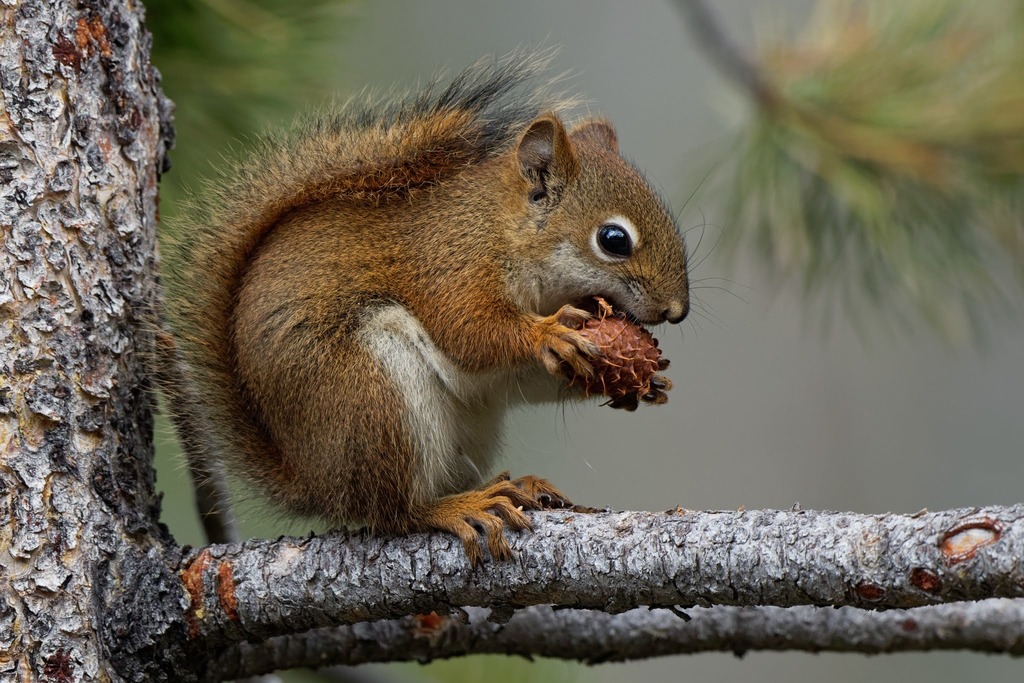

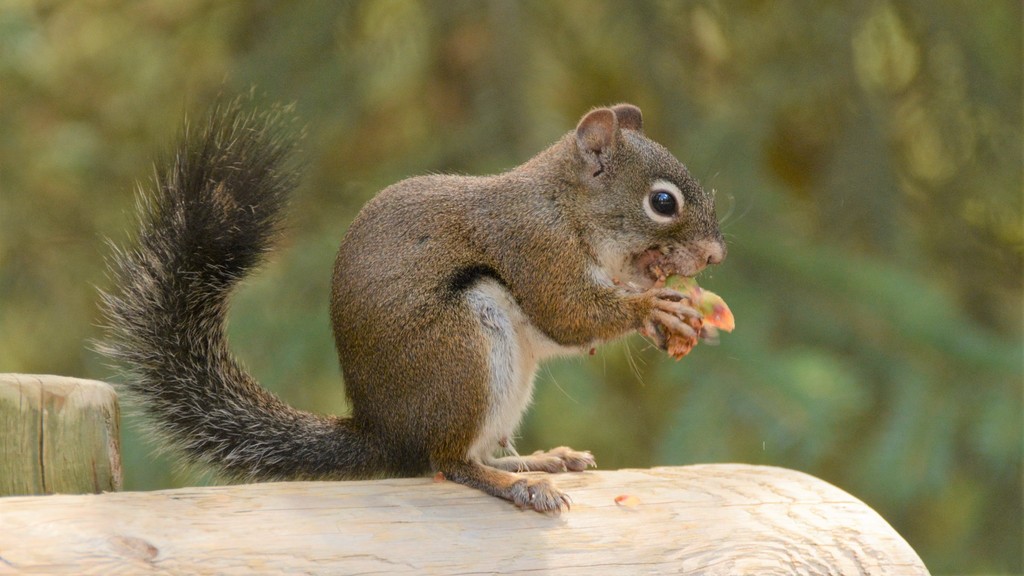
Do not release because you are tired of caring for it
Choose a release site that can actually support a squirrel
- Correct native habitat and within the species’ natural range.
- Mature connected trees with canopy travel and multiple nest options.
- Natural food and water availability through the season.
- Low road/traffic exposure and no obvious trapping/poisoning pressure.
- Manageable domestic cat/dog risk.
- A place where the pre-release enclosure can remain as a familiar home base for a soft release when allowed.
Soft release — preferred pathway
- 01Keep the squirrel living in the outdoor pre-release enclosure until fully acclimated.
- 02Open a small exit high on the side facing the tree/habitat. One established soft-release method uses an approximately 3-inch opening and a branch near the entrance to help the squirrel learn the route.
- 03Do not push or carry the squirrel out. Let it discover the opening and make the first exit on its own.
- 04Keep the nest box/enclosure available as a familiar retreat while the squirrel begins ranging.
- 05Continue water and limited supplemental food at the release station, then taper support as the squirrel becomes independent.
Seasonal timing
Avoid rushing a late-season juvenile into cold-weather release. In cooler climates, a late-season juvenile that cannot be safely released before cold weather may need to be overwintered rather than rushed outside. Local climate and food cycles differ, so use the animal’s condition and the actual habitat rather than a calendar date alone.
Final release checklist
- Healthy body condition and stable weight.
- No untreated dental, respiratory, neurologic or mobility problem.
- Strong climbing, jumping, landing and escape behavior.
- Eating a naturalistic balanced diet without formula dependence.
- Uses nest/shelter normally.
- Appropriately wary of people and pets.
- Outdoor-acclimated and release weather is suitable.
- Release is legal at the chosen location.
Sources
PRIMARY PRACTICAL GUIDEHenry’s Pets — Baby Squirrel Care Guide↗PRIMARY PRACTICAL GUIDEHenry’s Pets — Baby Squirrel Weaning Guide↗DIET REFERENCEHenry’s Pets — Healthy Diet for Squirrels↗REHABILITATOR RESOURCEOrphaned Wildlife Care — Baby Squirrel Care↗REUNIFICATION / WILDLIFE HOSPITALWildlife Center of Virginia — If You Find a Baby Squirrel↗PROFESSIONAL REHABInternational Wildlife Rehabilitation Council — North America Emergency Guidance↗FIND A LICENSED REHABBERAnimal Help Now↗VETERINARY MANUALMerck Veterinary Manual — Care of Orphaned Native Birds and Mammals↗REHABILITATION / NATURAL HISTORYWildAgain — Squirrel Natural History with Rehabilitation Applications↗