
The weaning guidance is explicit: do not force a baby off formula just because solids have started. Many babies continue formula until at least 14–16 weeks , and some longer. Let solid-food consumption and the squirrel’s own declining interest in formula drive the transition.
AT A GLANCEDo these things before moving on
Weaning follows reliable solid intake, weight stability and normal elimination.
Build the solid-food base around the species’ natural ecology.
Strength, coordination, climbing/digging/gliding and foraging must develop before release.
VISUAL GUIDE
See the important points for this stage


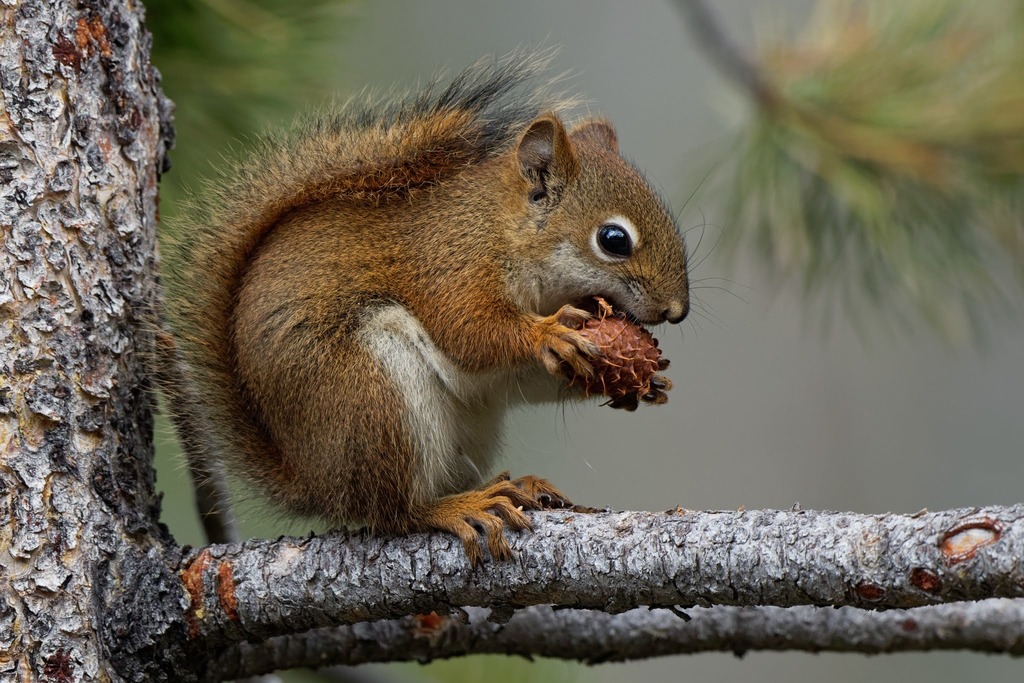
Weaning is led by the squirrel, not by the calendar
6–10 weeks — build the healthy-food habit
- Continue formula.
- Offer block first, then vegetables and safe browse.
- Keep nuts, seeds, fruit and sweet treats out of the starter diet so the juvenile does not become a selective eater.
- Keep fresh water available.
- Continue weighing and monitor stool/urine, coat, activity and grip strength.
Around 10 weeks — move into a full-size juvenile cage
- Use bar spacing no wider than about ½ inch for this age so the juvenile cannot force its head or body through the enclosure.
- Provide a high nest box/cube so the squirrel learns to sleep off the ground.
- Use washable fleece/cloth over wire floors or safe paper bedding on solid floors; avoid loose wood shavings in the nest area.
- Use unscented cleaning products and free-and-clear detergent on washable fabrics.
- Provide branches, multiple routes and safe jump distances that build strength without creating dangerous falls.
Exercise and skill building
Older babies need frequent safe running/climbing exercise. For a releasable squirrel, do this in a squirrel-proofed, pet-free area and keep the sessions focused on movement rather than cuddling. Do not take a not-yet-ready juvenile outside to “play”; keep the juvenile indoors or in secure rehabilitation housing until the outdoor pre-release stage.
What weaning should look like
Formula intake gradually falls while the juvenile reliably eats balanced solids, drinks water, gains/maintains weight and remains energetic. A sudden forced cutoff is not weaning. If weight falls, coat quality declines, stool changes or the juvenile stops eating balanced foods, reassess before reducing support further.
Treats come last
Current baby-care guidance says not to start babies on nuts and fruit and keeps them rare until the squirrel is older and reliably eating the healthy base diet. The release diet should prioritize blocks, healthy vegetables and safe wild foods/browse rather than teaching the juvenile that people are a nut dispenser.
Sources
PRIMARY PRACTICAL GUIDEHenry’s Pets — Baby Squirrel Care Guide↗PRIMARY PRACTICAL GUIDEHenry’s Pets — Baby Squirrel Weaning Guide↗DIET REFERENCEHenry’s Pets — Healthy Diet for Squirrels↗REHABILITATOR RESOURCEOrphaned Wildlife Care — Baby Squirrel Care↗REUNIFICATION / WILDLIFE HOSPITALWildlife Center of Virginia — If You Find a Baby Squirrel↗PROFESSIONAL REHABInternational Wildlife Rehabilitation Council — North America Emergency Guidance↗FIND A LICENSED REHABBERAnimal Help Now↗VETERINARY MANUALMerck Veterinary Manual — Care of Orphaned Native Birds and Mammals↗REHABILITATION / NATURAL HISTORYWildAgain — Squirrel Natural History with Rehabilitation Applications↗