
- Return quietly to provide food and fresh water while the chipmunk is establishing.
- Place food near the release structure or in natural cover rather than hand-feeding.
- Vary and scatter food so foraging continues.
- Keep the nest/release box dry and available while the animal transitions to natural shelter.
- Taper support as natural food use, caching and burrow activity become established.
AT A GLANCEDo these things before moving on
Monitor without drawing the animal back into human contact.
Reduce supplemental food/water gradually when a soft-release plan uses it.
Persistent weakness, injury, failure to use shelter or inability to forage may require intervention.
VISUAL GUIDE
See the important points for this stage


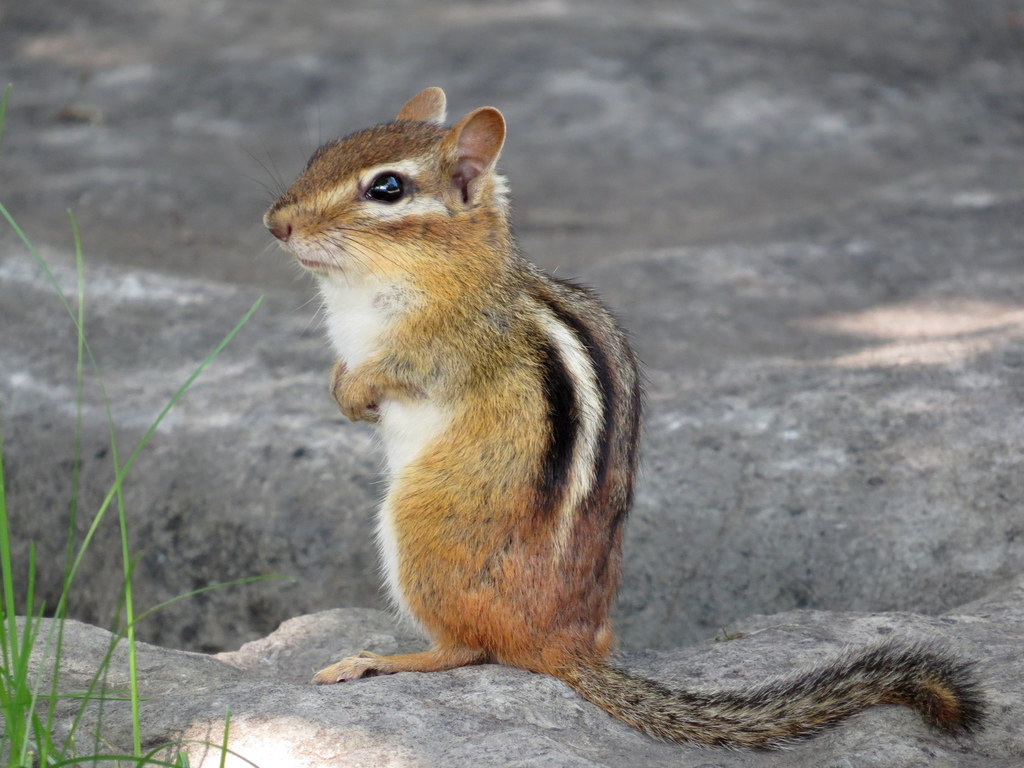
SUPPORT WITHOUT RE-TAMING
The release box and supplemental food are a safety net, not a new feeding station that teaches the chipmunk to wait for people.
1. Transitional support
2. Signs the transition is working
Leaves the release box voluntarily and spends increasing time in natural cover.
Uses or constructs natural burrow/retreat sites.
Forages, carries and caches food independently.
Responds to people, dogs, movement and noise by retreating rather than approaching.
Maintains body condition and normal movement without obvious injury.
3. Red flags after release
- Repeatedly sitting exposed and allowing close human approach
- Visible weight loss, weakness or poor coat condition
- New wounds, limping, inability to climb/dig normally or neurologic signs
- Persistent use of the release box without exploring or establishing other cover
- Cat/dog interaction, trapping/poison activity or construction affecting the release area
- Severe weather arriving before the animal has established shelter
If the chipmunk is failing to establish or becomes injured, contact a wildlife rehabilitator before attempting repeated capture/chase cycles.
4. When to end supplemental support
Reduce support gradually once the chipmunk is reliably foraging, caching and using natural shelter. Weather, season and natural food availability should drive the taper. The goal is a chipmunk that no longer depends on the release box or a human-delivered meal.
Release success is independence
The end point is not that the chipmunk remembers the caregiver. It is that the animal behaves like a wild chipmunk: difficult to approach, quick to cover, competent at finding and storing food, established in appropriate habitat and no longer dependent on human care.
Sources
Chipmunk rehabilitation decisions should be based on the animal’s age, body weight, medical condition, species, season and release habitat. These references provide the practical and veterinary framework used throughout this pathway.
CHIPMUNK-SPECIFIC REHABILITATIONOttawa-Carleton Wildlife Centre — Orphaned Chipmunk Care↗
CHIPMUNK DEVELOPMENT CHARTOttawa-Carleton Wildlife Centre — Stages of Development & Basic Care Guide↗
VETERINARY MANUALMerck Veterinary Manual — Care of Orphaned Native Birds and Mammals↗
WILDLIFE REHABILITATIONOperation WildLife — Chipmunk Rescue Guidance↗
REHABILITATION / NATURAL HISTORYWildAgain Wildlife Rehabilitation — Squirrel Natural History in Rehabilitation↗
WEANING NUTRITIONWildAgain Wildlife Rehabilitation — Rodent Chow Selection Criteria↗
FIND HELPAnimal Help Now — Wildlife Emergency Help↗
CHIPMUNK CAREOrphaned Wildlife Care — Chipmunk Care↗