

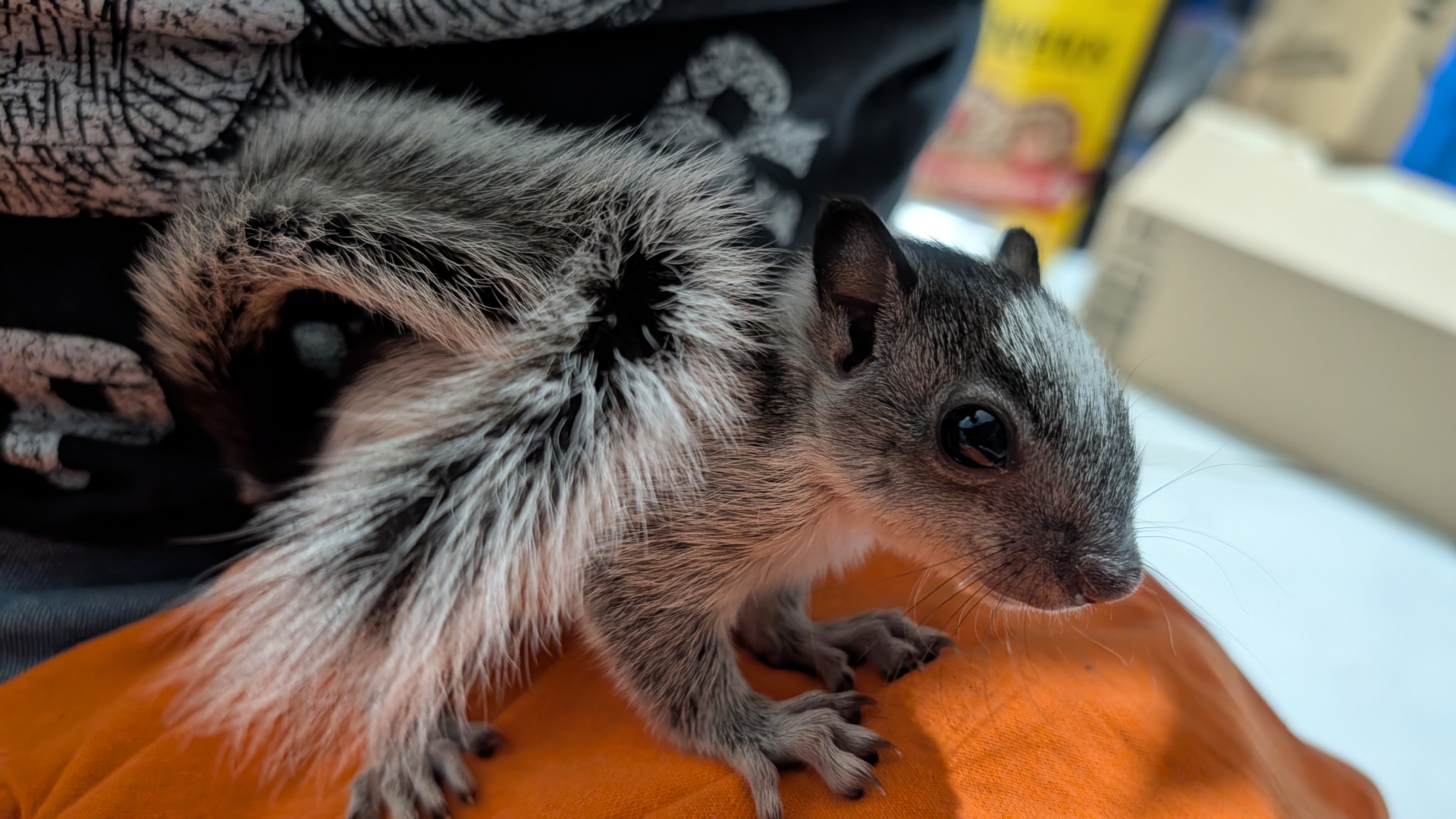

Work out what kind of squirrel you are looking at.
Start with the species directory, compare body shape, range and habitat, and move into individual species profiles when you have a likely match.
Start with the real squirrels behind SQRLFather, then move outward into species identification, natural history, behavior, diet, rescue, rehabilitation, long-term care, photography, video and community. The goal is one connected place where a quick question can lead naturally into deeper information.
The site is organized by purpose. Choose the path that matches what brought you here, then move naturally into related information.
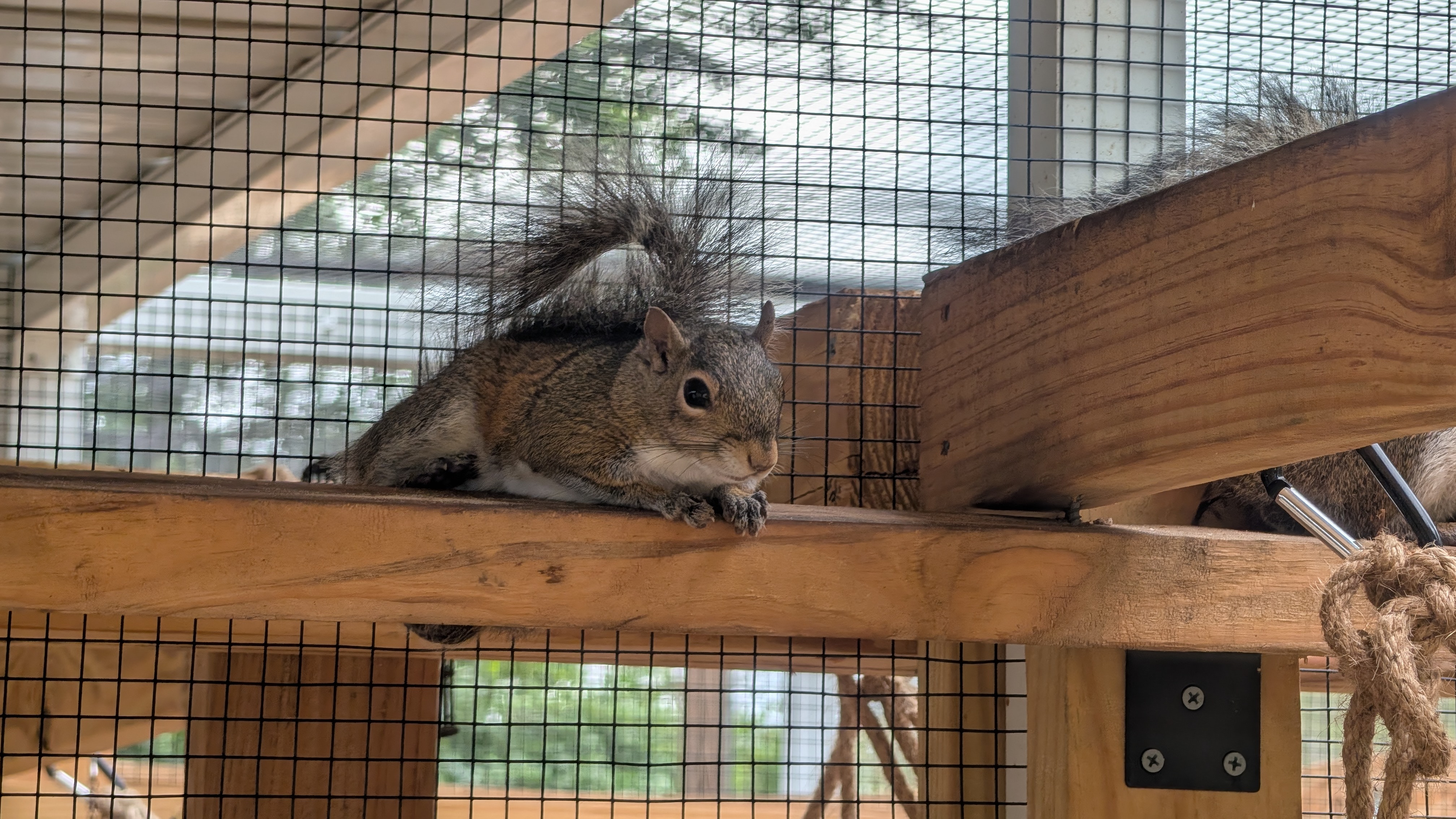
Meet The Scurry through individual profiles with names, species, known dates and available photographs kept separate from species-wide reference material.
Meet The Scurry →
Species identification, biology, behavior, habitat, diet, communication, adaptations and natural history.
Start Learning →
Rescue and rehabilitation pathways, care and husbandry, health information, legal research and source standards.
Open Guide →SQRLFather uses these broad browsing groups to help you get oriented quickly. They are useful starting points, not a replacement for scientific classification.

Climbing specialists that use trunks, canopies, cavities and dreys. Explore species ranging from familiar gray and fox squirrels to giant squirrels around the world.
Explore tree squirrels →
Mostly nocturnal squirrels with a patagium that turns leaps between trees into controlled glides. Their habitat, social behavior and care needs can differ sharply from tree squirrels.
Explore flying squirrels →
Ground squirrels include burrowers such as ground squirrels, chipmunks, prairie dogs and marmots. Social systems, dormancy and habitat vary widely across the group.
Explore ground squirrels →You can use SQRLFather as a simple starting point or follow the links into increasingly detailed reference and practical material.
Start with the species directory, compare body shape, range and habitat, and move into individual species profiles when you have a likely match.
Learn how squirrels communicate, cache food, use space, reproduce, adapt to seasons and fit into larger ecosystems.
Rescue, rehabilitation and husbandry are separated from general natural history so high-risk information is easier to find and easier to source.
See The Scurry, browse approved community media, watch SQRLFather videos and submit your own squirrel media for review.
The individual profiles keep SQRLFather grounded in real squirrels and documented details rather than being only a reference library.
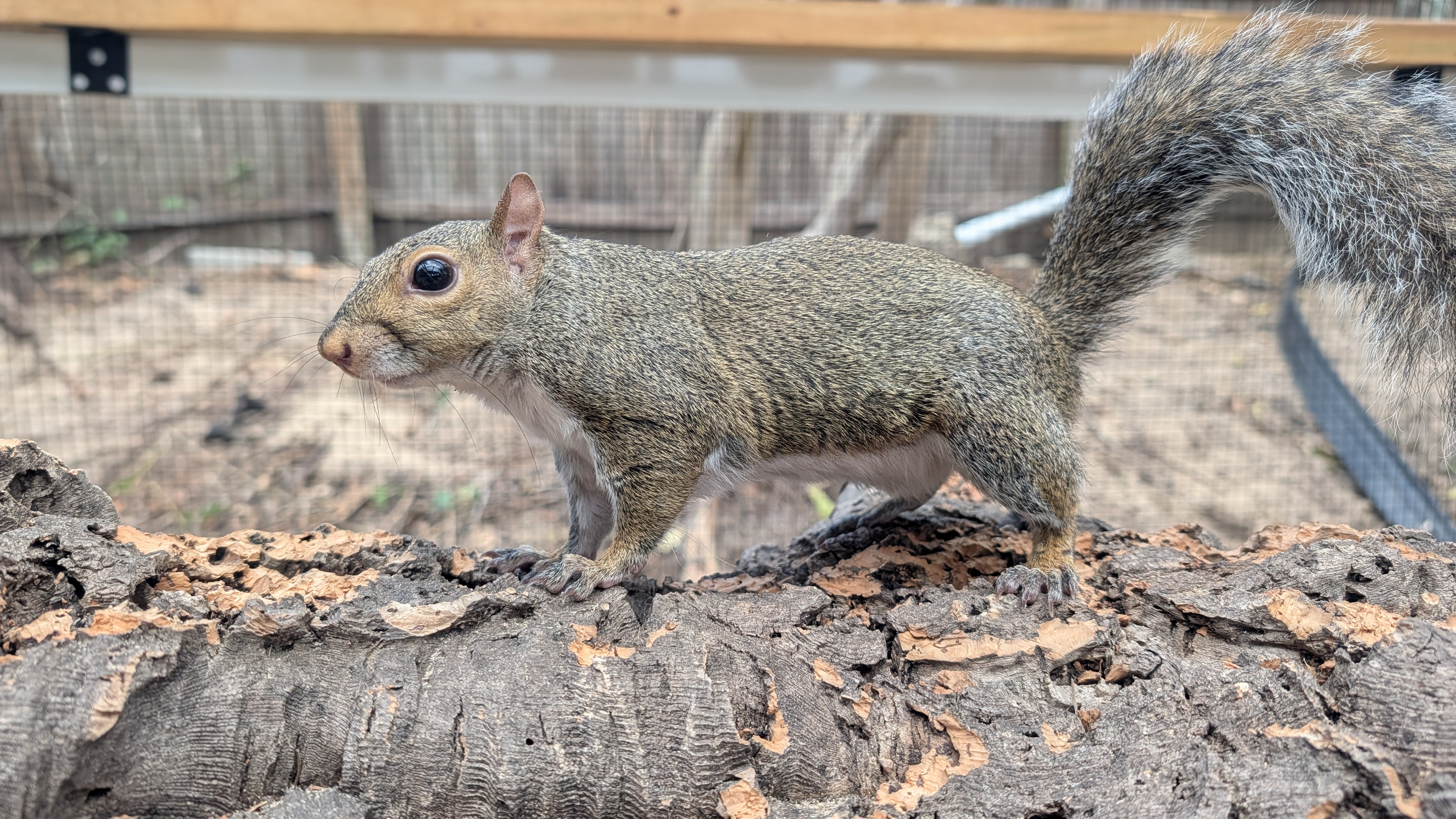 OBSERVE · IDENTIFY · UNDERSTAND
Start with identification, move into species and natural history, then use the Guide when the question becomes practical.
Use media to see behavior, body details, habitats and the squirrels themselves. Community submissions live alongside SQRLFather media after review.
See community supporters and memberships, browse custom squirrel items, or contribute directly or simply by participating and sharing.


