CHIPMUNK RESCUE · STAGE 6

Stage 6 — Juvenile Development, Weaning & Caching

Shift from formula to balanced solids without rushing weaning, while teaching gnawing, cheek-pouch transport, food caching and independent foraging.

AT A GLANCEDo these things before moving on
SELF-FEEDINGWeaning follows reliable solid intake, weight stability and normal elimination

Weaning follows reliable solid intake, weight stability and normal elimination.

NATURAL DIETBuild the solid-food base around the species’ natural ecology

Build the solid-food base around the species’ natural ecology.

EXERCISEStrength, coordination, climbing/digging/gliding and foraging must develop before release

Strength, coordination, climbing/digging/gliding and foraging must develop before release.

VISUAL GUIDE

See the important points for this stage

Townsend’s Chipmunk
SELF-FEEDINGTownsend’s ChipmunkWeaning follows reliable solid intake, weight stability and normal elimination.© Jim Boone, some rights reserved (CC BY-NC) · CC-BY-NC · VIEW SOURCE ↗
Yellow-pine Chipmunk
NATURAL DIETYellow-pine ChipmunkBuild the solid-food base around the species’ natural ecology.© Chris Charlesworth, some rights reserved (CC BY-NC) · CC-BY-NC · VIEW SOURCE ↗
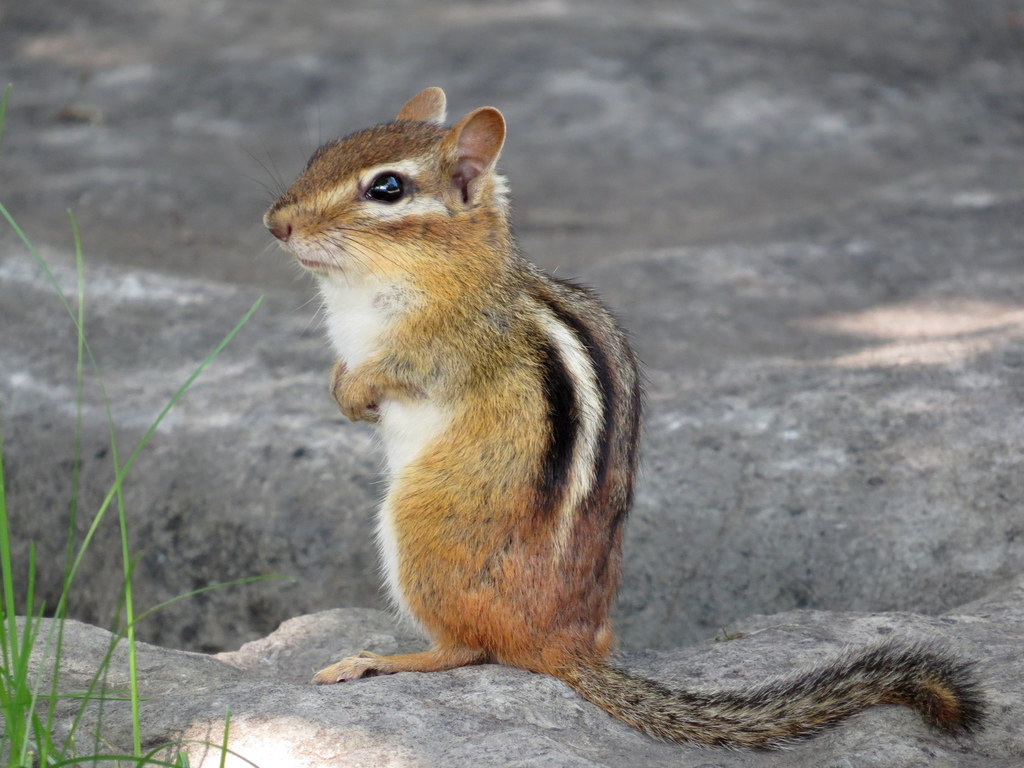
Eastern Chipmunk
EXERCISEEastern ChipmunkStrength, coordination, climbing/digging/gliding and foraging must develop before release.© Mike Leveille, some rights reserved (CC BY-NC) · CC-BY-NC · VIEW SOURCE ↗
Least Chipmunk
NO PET BEHAVIORLeast ChipmunkHuman dependence makes a releasable animal less prepared for the wild.© Cameron Eckert, some rights reserved (CC BY-NC) · CC-BY-NC · VIEW SOURCE ↗
WEANING IS A TRANSITION, NOT A DEADLINE

Reduce formula because the chipmunk is eating a balanced solid diet and maintaining weight — not simply because the calendar says it reached a particular week.

1. Build the solid diet around balance

BASE

Quality rodent block/chow

A balanced rodent block provides a dependable nutritional foundation during weaning and helps wear continuously growing incisors.

NATURAL

Species-appropriate foods

Add native seeds, buds, greens, fungi/invertebrate items where appropriate, and hard-shelled foods that encourage natural handling.

LIMIT

Fruit and fatty treats

Current veterinary guidance favors limiting fruit and avoiding a diet dominated by peanuts, sunflower seeds or other high-fat favorites.

2. A practical weaning progression

  • 3–4 weeks: offer tiny pieces of rodent block/chow as soon as eyes open and the chipmunk begins chewing.
  • 4–5 weeks: keep block available continuously; add small amounts of natural seeds/vegetation and safe produce while formula drops to roughly three feeds/day.
  • 5–6 weeks: formula commonly drops toward two feeds/day as solid intake increases.
  • 6–7 weeks: one formula feed may remain if weight and body condition are good and independent eating is strong.
  • 7–8 weeks: most should be fully self-feeding; do not remove formula if the animal is losing weight or failing to eat enough solid food.

3. Teach carrying, caching and searching

  1. Stop presenting all food in one exposed bowl.
  2. Scatter small portions through leaves, paper, soil trays and natural structure.
  3. Hide food under bark, near roots and in shallow caches so the chipmunk searches.
  4. Offer items that can be carried in cheek pouches rather than only soft foods eaten in place.
  5. Change locations regularly so the animal cannot memorize one feeding station.

Food caching is not clutter: for many chipmunks it is a core survival behavior, especially where winter torpor and stored food are part of the seasonal cycle.

4. Teeth and chewing

Provide pesticide-free twigs/branches of varying diameter, natural bark and hard foods appropriate to the species. Check that the incisors meet normally and wear evenly. A broken jaw or badly misaligned incisor can make a chipmunk unable to survive after release even if it otherwise looks healthy.

5. Weaning readiness checklist

Weight is stable or increasing without relying on a large formula meal.
Rodent block/chow and natural foods are eaten voluntarily every day.
The chipmunk gnaws normally and handles hard foods without difficulty.
Stool remains normal through dietary changes.
It carries, hides and searches for food rather than waiting at the front of the enclosure.

Sources

Chipmunk rehabilitation decisions should be based on the animal’s age, body weight, medical condition, species, season and release habitat. These references provide the practical and veterinary framework used throughout this pathway.