
- Prefer the original find area when it remains safe, legal and ecologically suitable.
- Use the correct soil type and depth for burrowing.
- Match native vegetation and forage to the species.
- Provide nearby rock/vegetative cover where natural for that species.
- Consider whether the species normally occurs in colonies, loose neighborhoods or more dispersed territories.
- Avoid random city parks, poisoned/control sites, active construction and places with heavy free-roaming cat/dog pressure.
AT A GLANCEDo these things before moving on
Return to appropriate habitat and, when possible, the correct territory/colony area.
Weather, food, dormancy and species biology can change release timing.
Use acclimation and temporary support when the species and situation call for it.
VISUAL GUIDE
See the important points for this stage

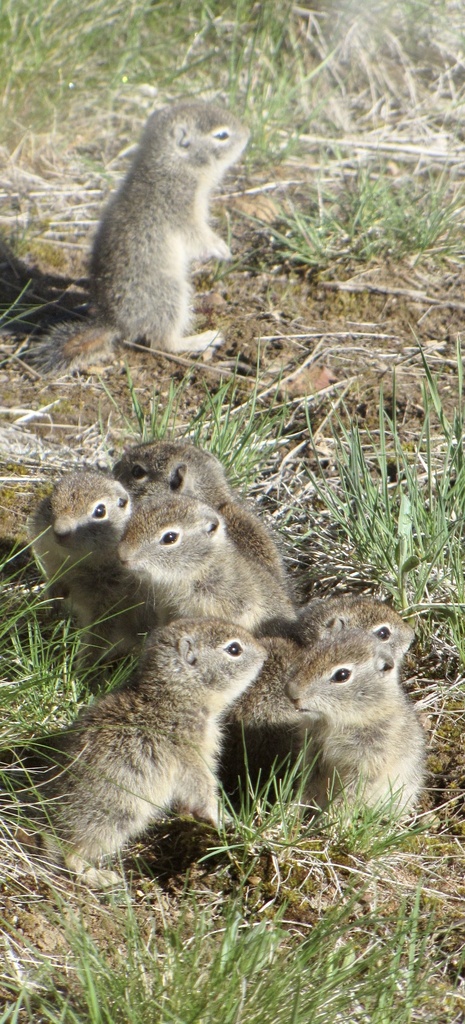

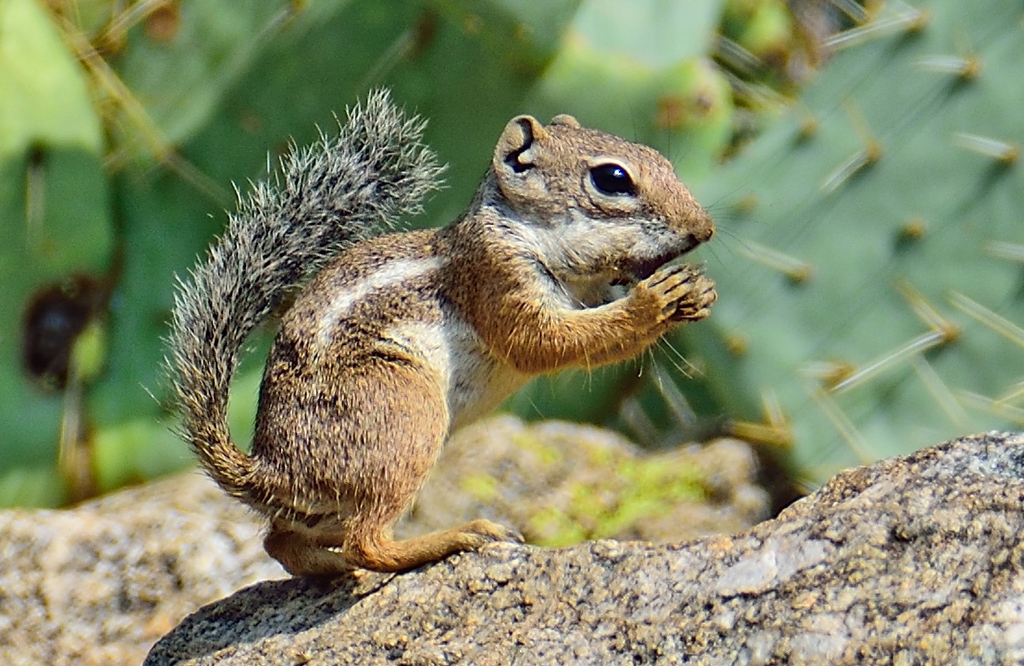
RELEASE TIMING CAN BE LIFE-OR-DEATH FOR HIBERNATORS
Many ground squirrels hibernate, and some desert species also estivate. Release cannot be based only on age. The animal needs enough active-season time to learn the site, establish shelter/burrows and build appropriate body condition.
Choose habitat by species — not by “looks grassy”
Season and dormancy gate
| Situation | Release implication |
|---|---|
| Hibernating species late in active season | Do not rush release simply to meet an age. The animal may need professional overwintering/dormancy planning. |
| Desert species entering hot/dry estivation period | Seasonal inactivity can change food availability and surface activity; match local natural history. |
| Young animal with no burrow-building experience | Extend pre-release conditioning and/or use a soft-release setup with burrow starts. |
| Suitable original colony/site intact | Often preferable to unrelated habitat because soil, food, conspecifics and seasonal conditions are already correct. |
WildAgain explicitly recommends giving ground squirrels adequate time to prepare for hibernation by creating burrows and gaining body weight before release.
Soft-release concept for ground squirrels
A ground-squirrel soft release can use a secure acclimation pen at the release site with burrow starts/tunnels, shelter and supplemental food, then an opening that allows the animal to leave while the familiar shelter remains available. The exact design depends on species, predators, soil and local regulations.
USGS reviews and field translocation work support the value of species-appropriate pre-release conditioning, artificial burrow starts/structures and post-release monitoring in ground-dwelling sciurids.
Release time of day
Ground squirrels are generally diurnal. Release early in the active part of the day, in settled weather, so the animal has daylight to inspect the site, find cover and work on shelter before night. Do not release into extreme heat, storms or immediately before a major weather change.
Legal and protected-species check
Some ground squirrels are protected, threatened/endangered, or subject to location-specific rules. Translocation may be restricted even when possession for rehabilitation is allowed. Check the state wildlife agency and, for listed species, applicable federal/state authorities before choosing a release site.
Sources
Ground-squirrel care varies by species. The references below cover veterinary neonatal care, wildlife rehabilitation, natural history and release planning; use species-specific ages, social behavior and seasonal timing whenever they are available.
STATE WILDLIFE AGENCYCalifornia Department of Fish and Wildlife — Native Wildlife Rehabilitation↗
WILDLIFE HOSPITALWildlife Images — Ground Squirrel & Small Mammal Reuniting↗
VETERINARY MANUALMerck Veterinary Manual — Care of Orphaned Native Birds and Mammals↗
REHABILITATION / NATURAL HISTORYWildAgain Wildlife Rehabilitation — Squirrel Natural History in Rehabilitation↗
FEDERAL SCIENCEU.S. Geological Survey — Captive Breeding, Husbandry, Release & Translocation of Sciurids↗
PROFESSIONAL STANDARDSNational Wildlife Rehabilitators Association — Rehabilitator Resources↗
FIND HELPAnimal Help Now — Wildlife Emergency Help↗