GROUND SQUIRREL RESCUE · STAGE 3

Stage 3 — Hydration & Emergency Support

Correct dehydration conservatively after warming and avoid turning a weak infant into an aspiration emergency.

AT A GLANCEDo these things before moving on
WARM FIRSTOral hydration is only appropriate when the animal is warm and swallowing normally

Oral hydration is only appropriate when the animal is warm and swallowing normally.

TINY AMOUNTSUse a small syringe and let the animal swallow each controlled amount

Use a small syringe and let the animal swallow each controlled amount.

WATCHStop if fluid appears at the nose, breathing changes or swallowing becomes abnormal

Stop if fluid appears at the nose, breathing changes or swallowing becomes abnormal.

VISUAL GUIDE

See the important points for this stage

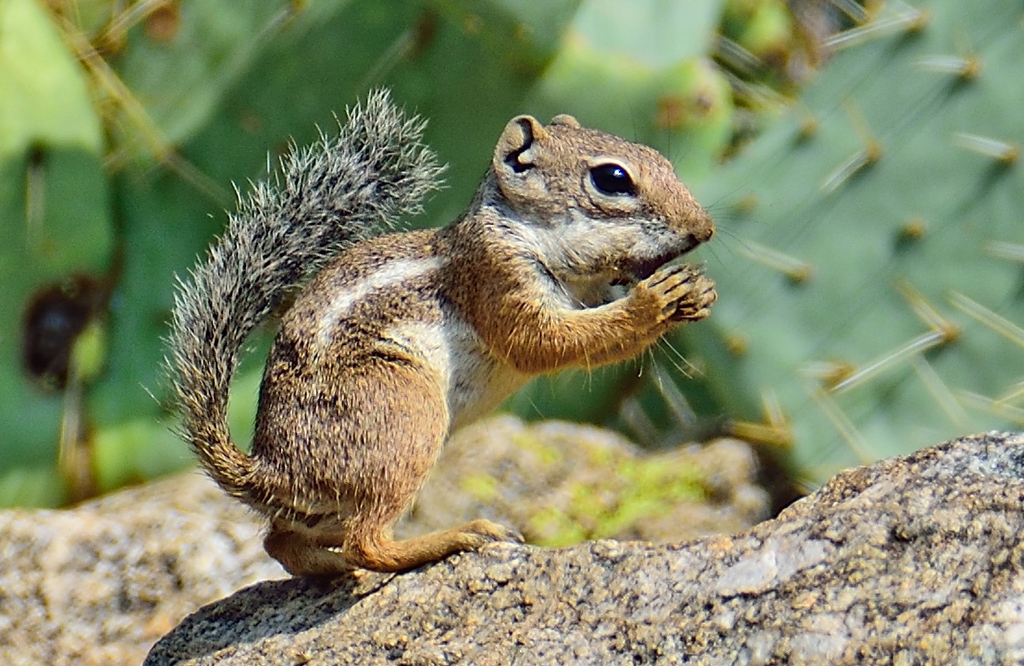
Harris’s Antelope Squirrel
WARM FIRSTHarris’s Antelope SquirrelOral hydration is only appropriate when the animal is warm and swallowing normally.© Ad Konings, some rights reserved (CC BY-NC) · CC-BY-NC · VIEW SOURCE ↗
California Ground Squirrel
TINY AMOUNTSCalifornia Ground SquirrelUse a small syringe and let the animal swallow each controlled amount.© Robert Levy, some rights reserved (CC BY-NC) · CC-BY-NC · VIEW SOURCE ↗
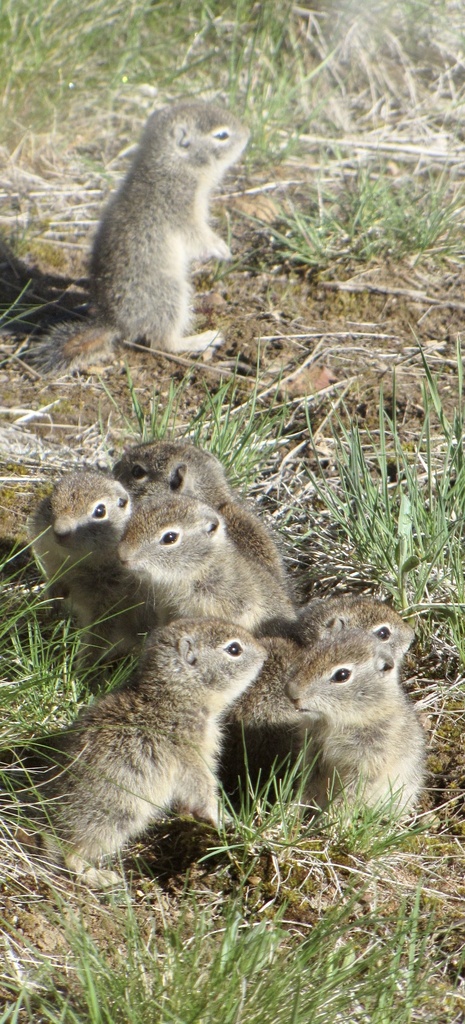
Belding’s Ground Squirrel
WATCHBelding’s Ground SquirrelStop if fluid appears at the nose, breathing changes or swallowing becomes abnormal.© tgroo, some rights reserved (CC BY-NC) · CC-BY-NC · VIEW SOURCE ↗
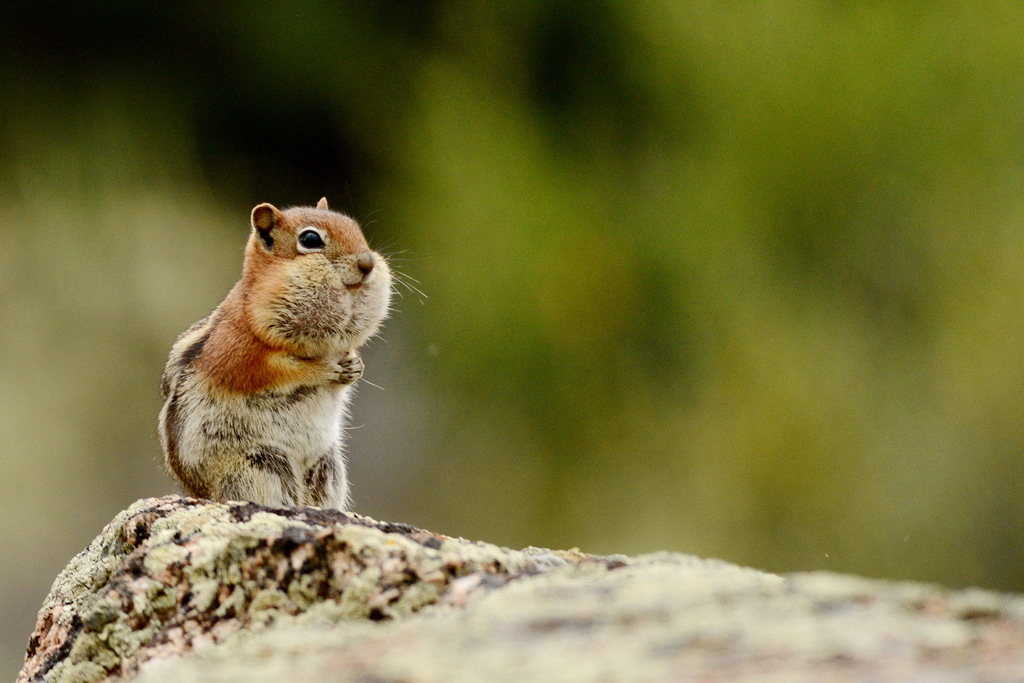
Golden-mantled Ground Squirrel
RECORDGolden-mantled Ground SquirrelTrack weight, urine, behavior and what was actually taken.© Claudia Komesu, some rights reserved (CC BY-NC) · CC-BY-NC · VIEW SOURCE ↗
HYDRATION IS NOT THE SAME AS “GIVE A BIG DRINK”

Oral fluid is only appropriate after warming and only when the animal is alert enough to swallow normally. Severe dehydration, shock or neurologic weakness can require professional fluid therapy rather than repeated syringe attempts.

Assess hydration after the animal is warm

  • Tacky/dry mouth tissues
  • Very dark or scant urine
  • Weakness or poor responsiveness
  • Recent exposure, prolonged time outside a burrow or obvious poor body condition
  • Weight that changes abnormally after intake begins

Skin “tenting” can be misleading in tiny mammals and should not be the only test.

How to offer oral fluid without causing aspiration

  1. Use a small 1 mL syringe for neonates/small juveniles.
  2. Hold the ground squirrel upright or semi-upright in a natural position — never flat on its back.
  3. Touch a tiny drop to the lips and allow active swallowing.
  4. Pause after each small amount. Never shoot a stream toward the throat.
  5. Stop immediately if fluid appears at the nose, coughing/clicking starts or breathing changes.

How much is “small”?

Merck gives a general neonatal stomach/crop capacity of about 50 mL/kg (about 5 mL per 100 g body weight) and specifically says initial feedings should be conservative. Treat that as an anatomical upper reference — not a target to force into a dehydrated ground squirrel at once. Ground-squirrel species vary dramatically in adult size and development.

DO NOT STACK FLUID ON TOP OF A FULL OR SLOW-EMPTYING STOMACH

If the abdomen stays distended, the animal is not eliminating, or swallowing becomes poor, stop oral attempts and get experienced help.

What to use

For a compromised infant, the safest choice is the oral electrolyte/fluid plan given by a permitted rehabilitator or wildlife-capable veterinarian. Do not improvise a salt/electrolyte recipe for a ground squirrel. If you have no professional instruction yet, prioritize warmth, controlled tiny oral amounts only when swallowing is normal, and rapid contact with a rehabilitator instead of mixing multiple internet recipes.

Sources

Ground-squirrel care varies by species. The references below cover veterinary neonatal care, wildlife rehabilitation, natural history and release planning; use species-specific ages, social behavior and seasonal timing whenever they are available.