GROUND SQUIRREL RESCUE · STAGE 4

Stage 4 — Formula, Feeding & Complications

Use a measured squirrel milk replacer, safe syringe technique and daily weight records while recognizing that ground-squirrel species do not share one feeding chart.

AT A GLANCEDo these things before moving on
POSITIONFeed belly-down/upright in a natural nursing posture, never on the back

Feed belly-down/upright in a natural nursing posture, never on the back.

CONTROLUse a small syringe and control the plunger; never flood the mouth

Use a small syringe and control the plunger; never flood the mouth.

WEIGHTWeigh in grams and use the feeding calculator below; do not guess volume from age or appearance alone

Weigh in grams and use the feeding calculator below; do not guess volume from age or appearance alone.

FEEDING GUIDE CALCULATOR

Ground Squirrel Feeding Calculator

Enter the baby’s current weight in grams. Merck’s squirrel guidance starts at about 50 mL/kg per feeding (5%) and may increase toward 70 mL/kg (7%) as a healthy youngster establishes tolerance.

BEFORE USING THE NUMBER

The animal should already be warm, rehydrated or clearly improving, alert enough to swallow, and breathing normally. This calculator is for formula volume per feeding — not hydration fluid and not a daily total.

VISUAL GUIDE

See the important points for this stage

California Ground Squirrel
POSITIONCalifornia Ground SquirrelFeed belly-down/upright in a natural nursing posture, never on the back.© Robert Levy, some rights reserved (CC BY-NC) · CC-BY-NC · VIEW SOURCE ↗
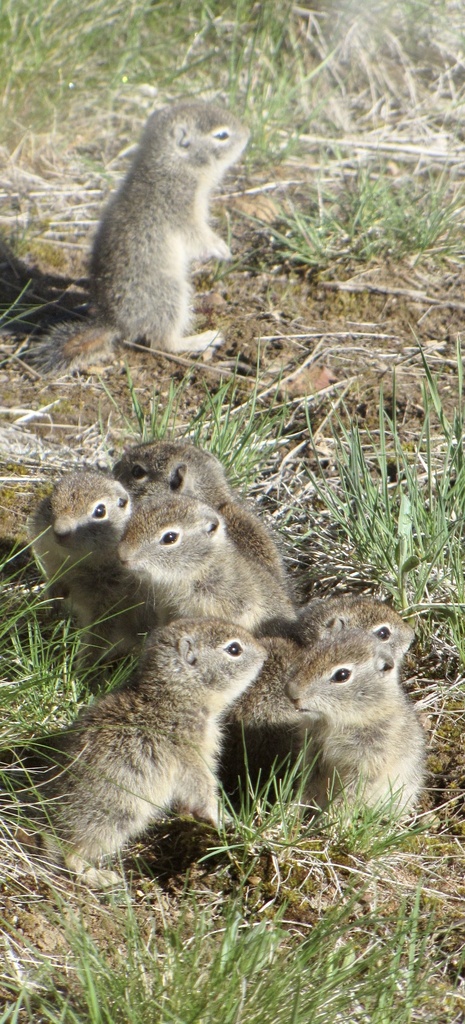
Belding’s Ground Squirrel
CONTROLBelding’s Ground SquirrelUse a small syringe and control the plunger; never flood the mouth.© tgroo, some rights reserved (CC BY-NC) · CC-BY-NC · VIEW SOURCE ↗
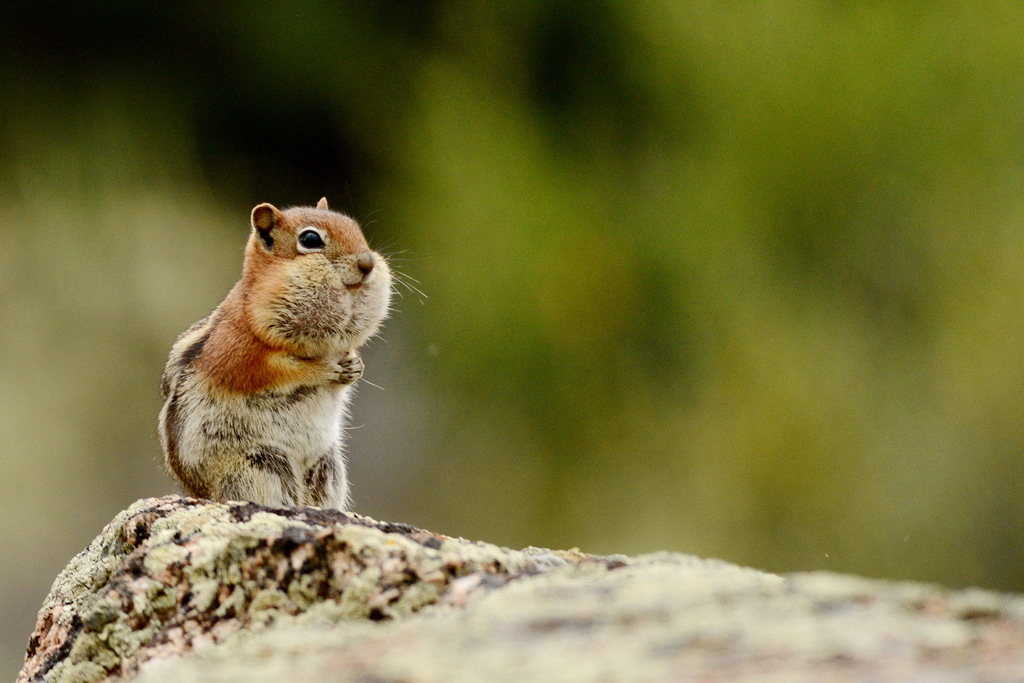
Golden-mantled Ground Squirrel
WEIGHTGolden-mantled Ground SquirrelUse an accurate gram weight and the species-specific page rather than guessing volume.© Claudia Komesu, some rights reserved (CC BY-NC) · CC-BY-NC · VIEW SOURCE ↗
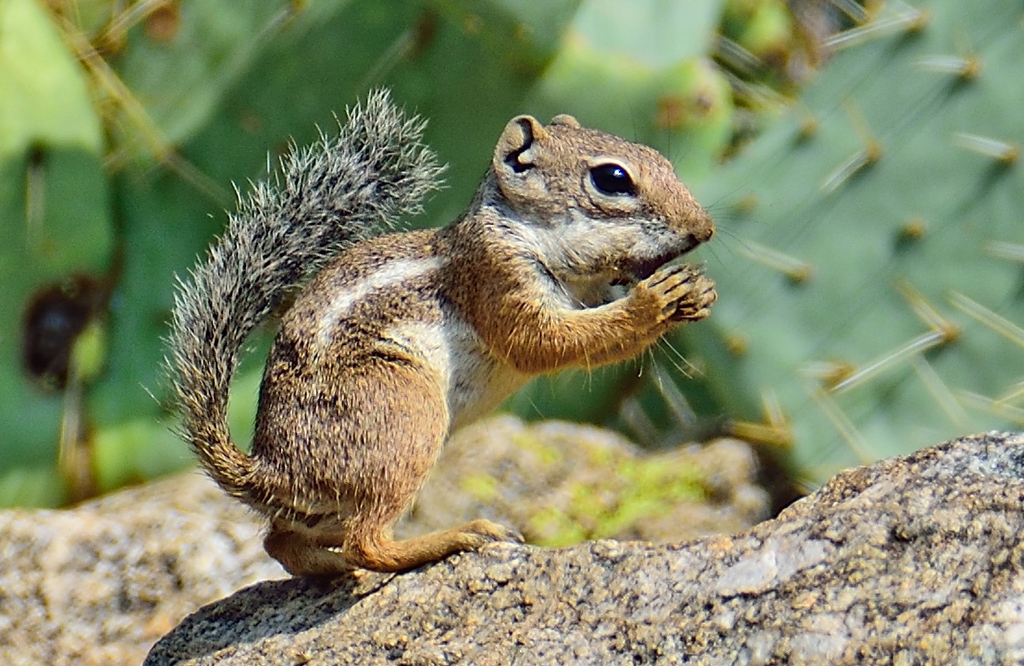
Harris’s Antelope Squirrel
STOP SIGNSHarris’s Antelope SquirrelFormula at the nose, clicking breathing or abnormal swallowing means stop feeding.© Ad Konings, some rights reserved (CC BY-NC) · CC-BY-NC · VIEW SOURCE ↗
FORMULA COMES AFTER WARMTH AND HYDRATION

Ground squirrels are not one size or one developmental schedule. Use body weight, species, age, stool/urine and daily growth together. Never copy a tree-squirrel chart blindly onto a tiny antelope squirrel or a much larger northern ground squirrel.

Veterinary-reference milk replacer options

The Merck Veterinary Manual lists squirrel milk-replacer options including Fox Valley 32/40 mixed 2 parts formula to 3 parts water by volume , or Esbilac : MultiMilk : water at 1 : 0.5 : 2 by volume . These are general squirrel references rather than a ground-squirrel species-specific prescription; product formulations can change, so re-check the manufacturer and an experienced rehabilitator when possible.

DO NOT USE

Plain cow’s milk, human infant formula, nut milk, random puppy/kitten formula substitutions, or a nut/seed slurry as a neonatal replacement diet.

A practical feeding rhythm — adjust to the animal

Developmental stateStarting rhythmWhat changes it
Hairless / eyes closedFrequent small feeds, roughly every 2–3 hoursSpecies, temperature, hydration, stomach emptying and weight trend
Fur developing / eyes closedAbout every 3 hoursGrowth, stool/urine and whether overnight interval is tolerated
Fully furred / approaching eye openingAbout every 3–4 hoursSpecies development and measured solid-food interest
Eyes open / taking solidsGradually lengthen intervalsDo not force weaning until solids truly sustain growth

Use this only as a conservative starting framework; ground-squirrel species differ and daily gram weight, elimination and behavior should control adjustments. The safest adjustment tool is a daily gram-weight trend plus normal elimination and behavior.

Volume — calculate, do not guess

Use a gram scale. Merck’s general neonatal stomach-capacity reference of about 50 mL/kg equals roughly 5 mL per 100 g. Start conservatively, especially after dehydration or starvation. A rounded stomach is not permission to keep feeding; overfeeding increases regurgitation, diarrhea and aspiration risk.

QUICK CONVERSION

body weight in grams × 0.05 = 5% volume in mL

Example: 60 g × 0.05 = 3 mL. Treat this as a conservative capacity reference, not a mandatory feed. A compromised or tiny species may need less and more frequent reassessment.

Syringe technique — aspiration prevention

  1. Use a 1 mL syringe for small infants so plunger pressure can be controlled.
  2. Keep the animal upright/semi-upright with the head neutral.
  3. Let it latch or lick; do not push a fast stream.
  4. Pause constantly and watch the nose.
  5. If formula reaches the nostrils, stop feeding immediately and obtain help for possible aspiration.
  6. Eyes-closed infants usually need gentle genital stimulation after feeds until they reliably eliminate on their own.

Common feeding complications

ProblemImmediate response
Formula at nose / clicking breathingStop; keep airway clear and seek urgent wildlife/veterinary evaluation for aspiration.
DiarrheaReview formula concentration, total volume, hygiene, temperature and hydration. Do not keep increasing feeds.
Bloated / slow-emptying abdomenPause and reassess warmth, volume, elimination and illness.
Failure to gain weightAudit measured intake and species identification; check parasites, infection, dental/feeding problems and formula preparation.
Won’t swallowDo not force-feed. Rewarm/reassess and seek professional fluid/nutrition support.

Sources

Ground-squirrel care varies by species. The references below cover veterinary neonatal care, wildlife rehabilitation, natural history and release planning; use species-specific ages, social behavior and seasonal timing whenever they are available.