
- Use a secure ventilated tote, carrier or box with a tight-fitting top.
- Line it with fleece or smooth cloth that will not snag nails; avoid loose loops and stringy towels.
- Provide a dark hide or rolled cloth so the pup can retreat.
- For hairless neonates, Merck gives an ambient target of roughly 85–90°F (29–32°C). Older furred pups need less heat.
- Heat only part of the enclosure so a mobile animal can move away from warmth.
- Keep the setup away from household pets, food-preparation areas and other wildlife patients.
AT A GLANCEDo these things before moving on
Use gentle indirect heat with room to move away from the warm side.
Use a secure, dark, quiet container and minimize handling.
Check breathing, movement, injuries, parasites and responsiveness before oral care.
VISUAL GUIDE
See the important points for this stage

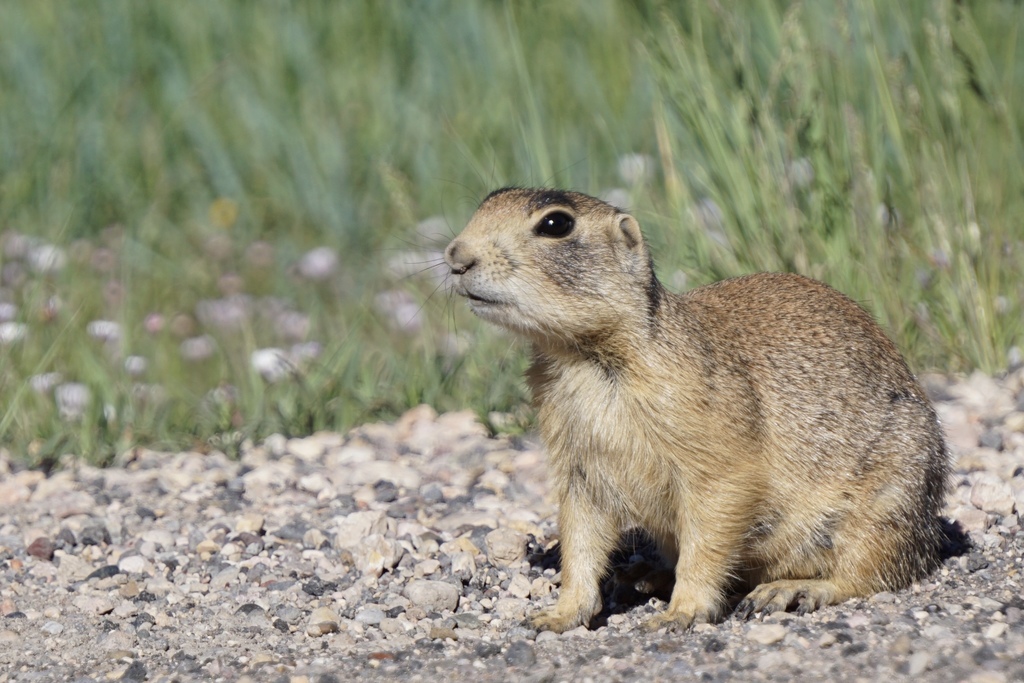


WARMTH AND BIOSECURITY COME BEFORE FORMULA
A cold, shocked or dehydrated pup can aspirate or deteriorate when fed. Prairie-dog fleas also deserve special caution, particularly when animals from the same town are dying.
1. Build a safe stabilization setup
2. Do a fast, low-stress first assessment
Breathing: quiet and regular, or open-mouth/labored/noisy?
Temperature: warm and responsive, or cool and dull?
Hydration: moist mouth and normal skin return, or tacky mouth/sunken appearance?
Trauma: punctures, swelling, bleeding, dragging limbs, abnormal head position?
Parasites: fleas, ticks, fly eggs or maggots? Do not automatically treat a small pup with an adult pesticide dose.
3. Prairie-dog flea and plague precautions
- Wear gloves for handling and wash hands afterward.
- Keep cats and dogs out of the room; pets can carry infected fleas into the home.
- If several rodents from the same area are suddenly dead or sick, stop routine handling and contact local wildlife/public-health authorities.
- Bag and isolate soiled bedding before disposal; do not shake flea-contaminated bedding indoors.
- Do not spray the animal with household insecticide or apply flea medication without veterinary direction.
4. When Stage 3 is appropriate
Move to oral hydration only when the pup is warm, responsive and able to swallow normally. A severely weak, non-swallowing, bloated, neurologic or respiratory-compromised animal needs veterinary fluid support rather than forced oral fluids.