
- Leaves the release enclosure voluntarily and returns to cover rather than people
- Digs or adopts a safe retreat site and spends increasing time away from the release cage
- Forages on local grasses, clover and other vegetation
- Maintains normal alert posture, locomotion and coat condition
- Shows appropriate alarm/retreat behavior around humans, dogs and unfamiliar disturbance
- Gradually reduces use of supplemental food
AT A GLANCEDo these things before moving on
Monitor without drawing the animal back into human contact.
Reduce supplemental food/water gradually when a soft-release plan uses it.
Persistent weakness, injury, failure to use shelter or inability to forage may require intervention.
VISUAL GUIDE
See the important points for this stage

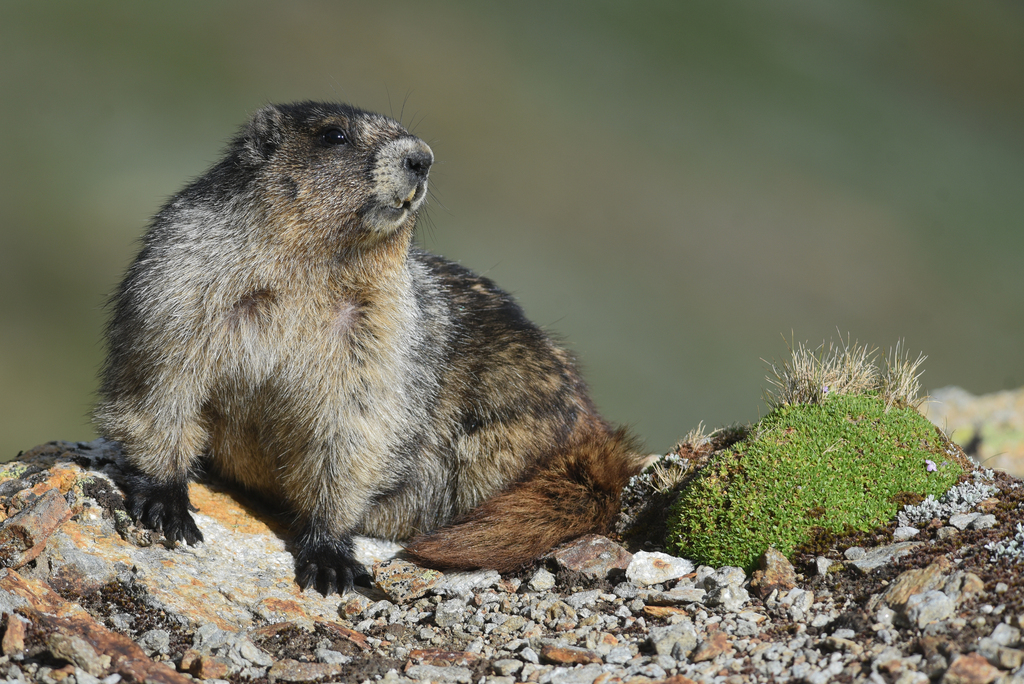
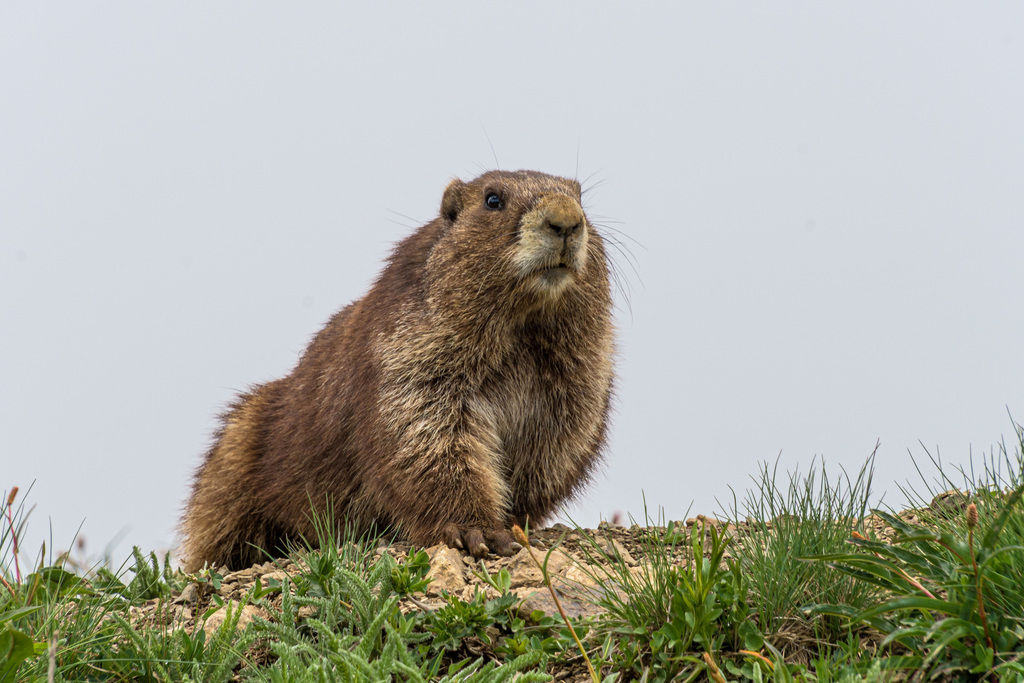
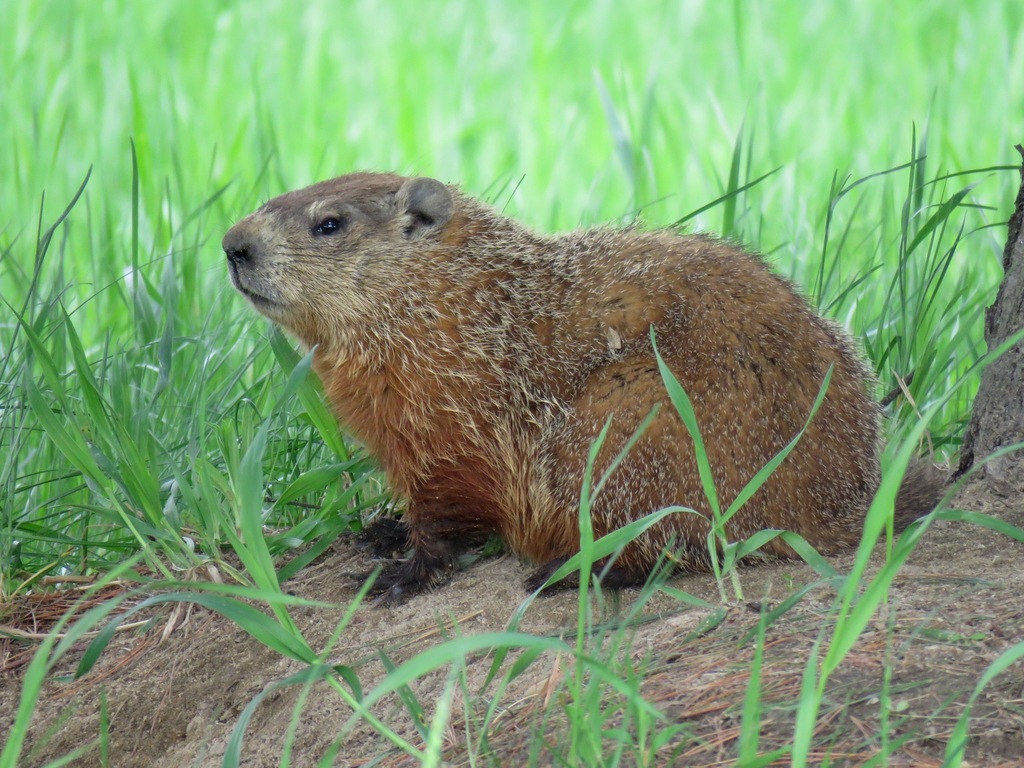
POST-RELEASE SUPPORT SHOULD MAKE THE ANIMAL LESS DEPENDENT EACH DAY
The goal is not to keep a tame woodchuck visiting for handouts. Support should buy time for burrow establishment and local foraging while human contact fades.
1. What successful adjustment looks like
2. Keep support predictable but low-contact
Place supplemental natural greens, limited appropriate feed and water at a consistent location near the release shelter, then leave. Reduce support as the animal demonstrates reliable natural foraging. Avoid feeding at doors, porches or places that teach the animal to approach people.
3. Warning signs after release
Failure to establish shelter: repeatedly sleeping exposed or remaining at the enclosure with no digging/cover-seeking.
Human dependence: following people, entering buildings or soliciting food at close range.
Medical decline: lethargy, labored breathing, wounds, limping, diarrhea, visible weight loss or poor coat condition.
Territorial conflict: repeated attacks/chasing from resident marmots or inability to access safe forage/cover.
Seasonal failure: poor body condition as hibernation season approaches or no secure burrow established.
4. If release is not working
Contact the rehabilitator/veterinarian who guided the case and be ready to re-contain if the animal is injured, failing medically or clearly unable to establish itself. Do not repeatedly move a healthy released marmot from place to place; release-site changes affect territory, shelter and seasonal preparation.
For a late-season animal that cannot establish before hibernation, the next step is a species-specific overwintering plan under permitted rehabilitation oversight rather than an emergency relocation.
Sources
Woodchuck-specific measurements are kept separate from broader marmot guidance because age, social structure, climate and release timing vary across Marmota species.
WOODCHUCK RESCUEWildlife Center of Virginia — If You Find a Baby Woodchuck↗
WOODCHUCK HAND-RAISINGOrphaned Wildlife Care — Woodchuck Care↗
VETERINARY MANUALMerck Veterinary Manual — Care of Orphaned Native Birds and Mammals↗
NATURAL HISTORYMassWildlife — Learn About Woodchucks↗
NATURAL HISTORYU.S. Fish & Wildlife Service — Groundhogs↗
FIND HELPAnimal Help Now — Wildlife Emergency Help↗