FLYING SQUIRRELS CARE

Safety & Emergency Planning

Escape prevention, household hazards, weather/power failures, transport and urgent warning signs.

COMPLETE CARE LIBRARY
VISUAL START

Safe containment & emergency planning

Flying squirrels are nocturnal gliders. Vertical routes, safe launch and landing space, cavity-like retreats and low-stress night routines should shape husbandry.

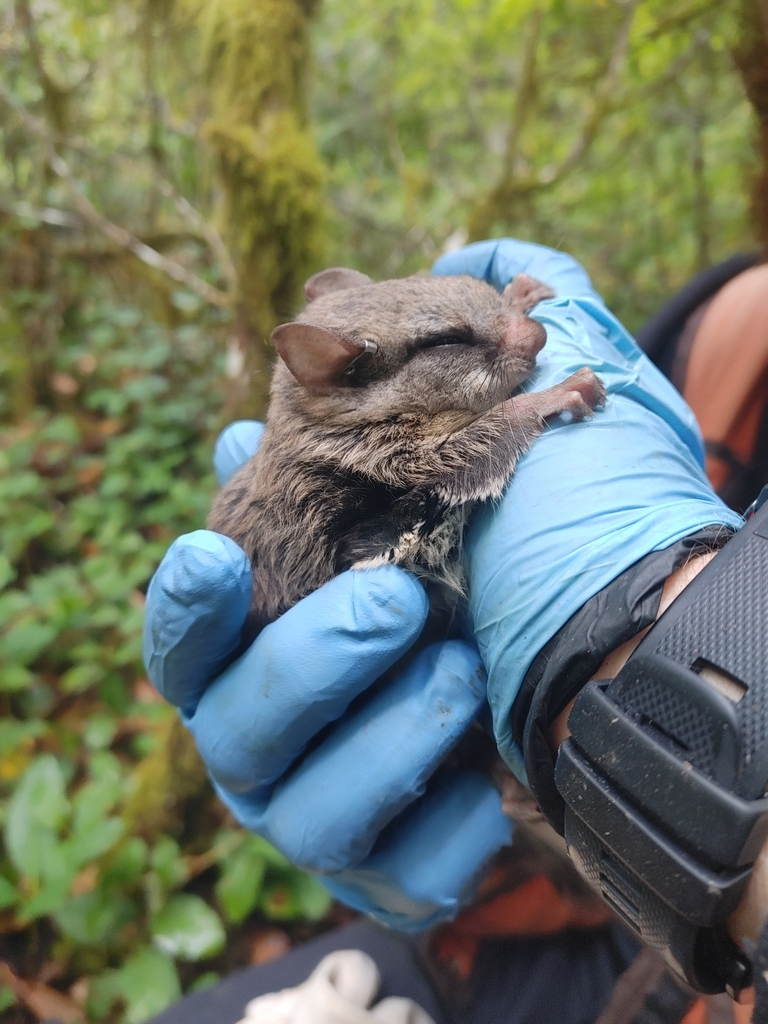
Northern Flying Squirrel
NATURAL CONTEXTNorthern Flying SquirrelEscape prevention begins with understanding how the animal climbs, digs, squeezes or glides.© Steve Waller, some rights reserved (CC BY-NC) · CC-BY-NC · VIEW SOURCE ↗
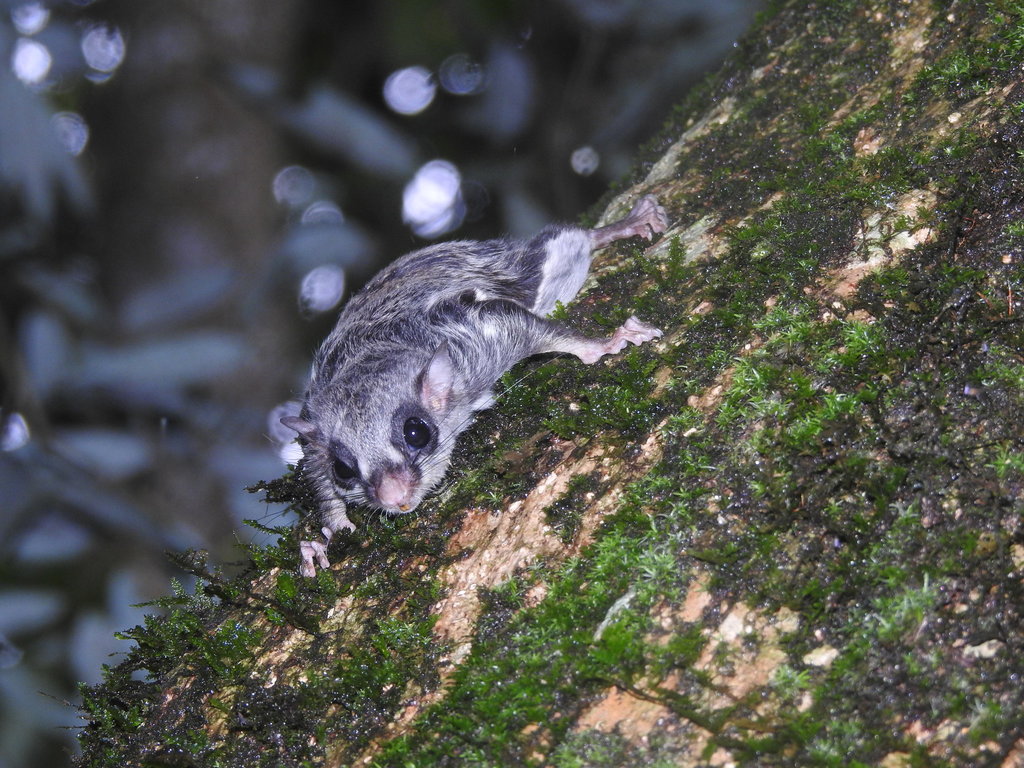
Humboldt’s Flying Squirrel
NATURAL CONTEXTHumboldt’s Flying SquirrelSecure transfer points and double-check doors before opening the primary enclosure.© Kyle Stark, some rights reserved (CC BY-NC) · CC-BY-NC · VIEW SOURCE ↗
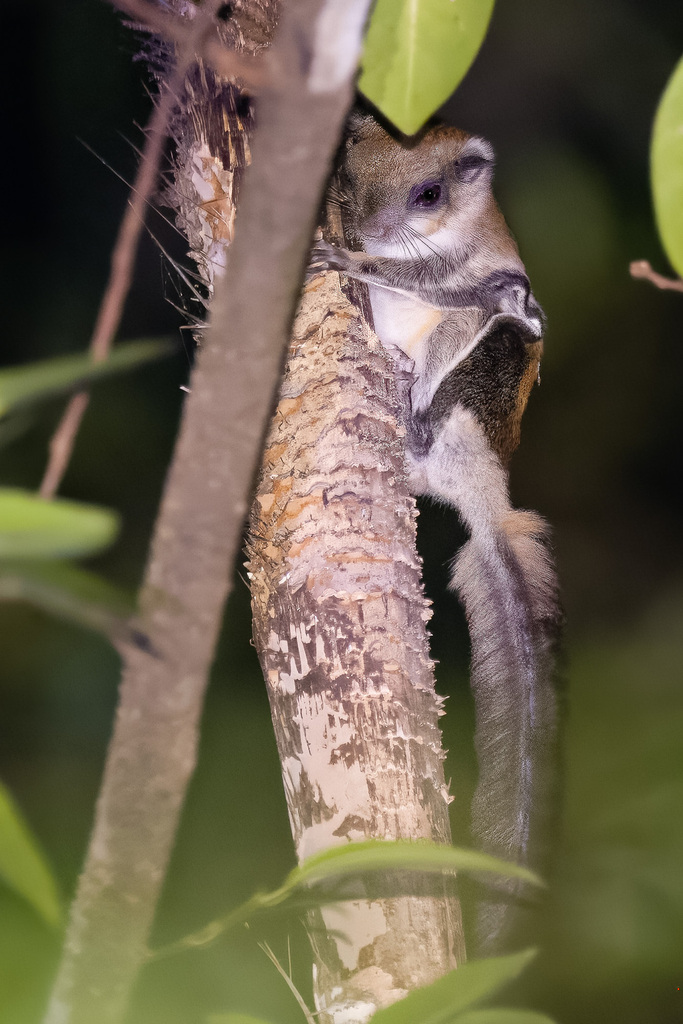
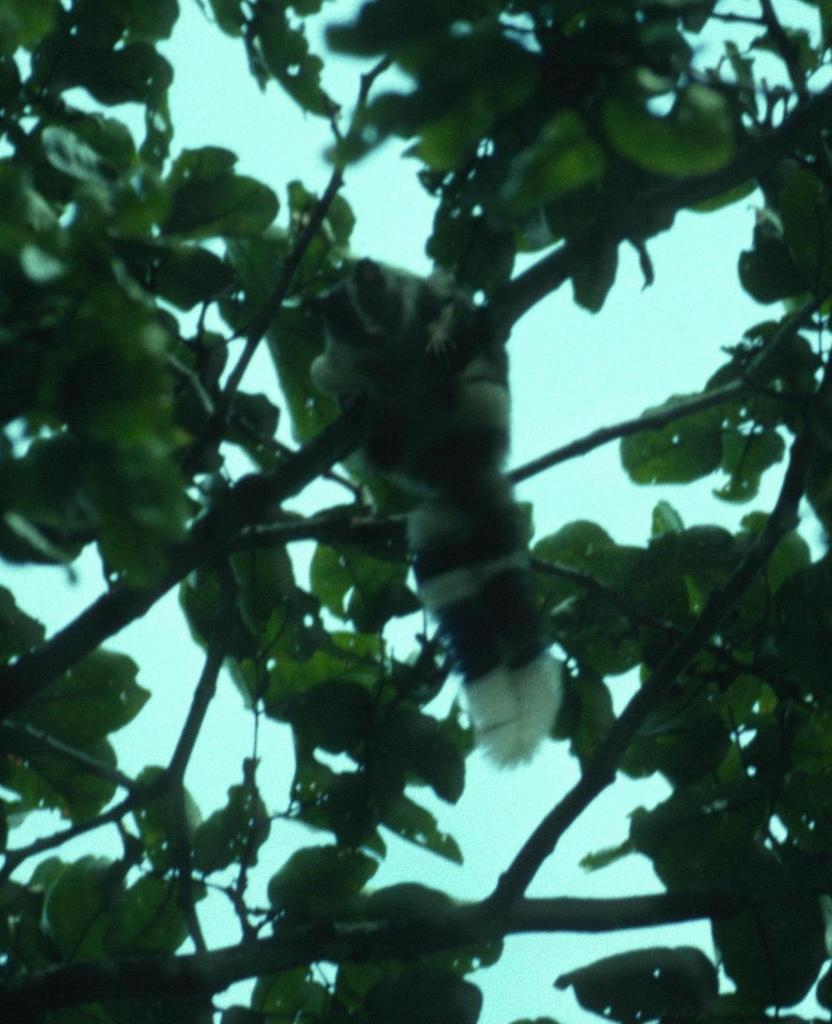
Particolored Flying Squirrel
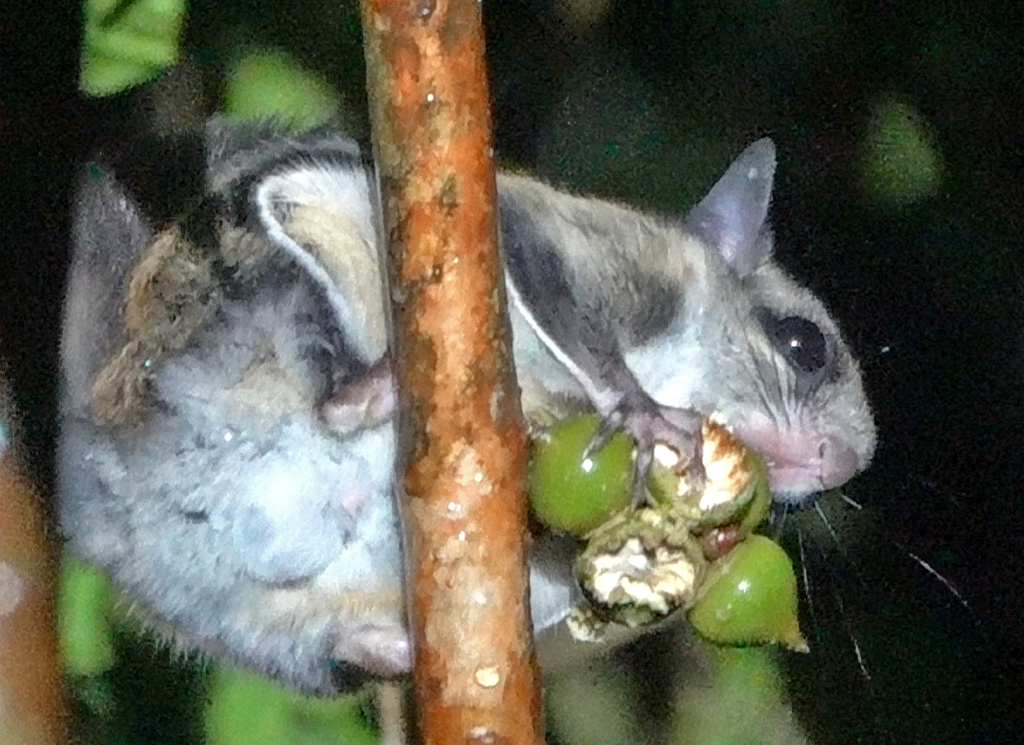
NATURAL CONTEXTParticolored Flying SquirrelEmergency planning should include transport, backup heat or cooling and veterinary contact information.© Bhaskar Bora, some rights reserved (CC BY-NC) · CC-BY-NC · VIEW SOURCE ↗
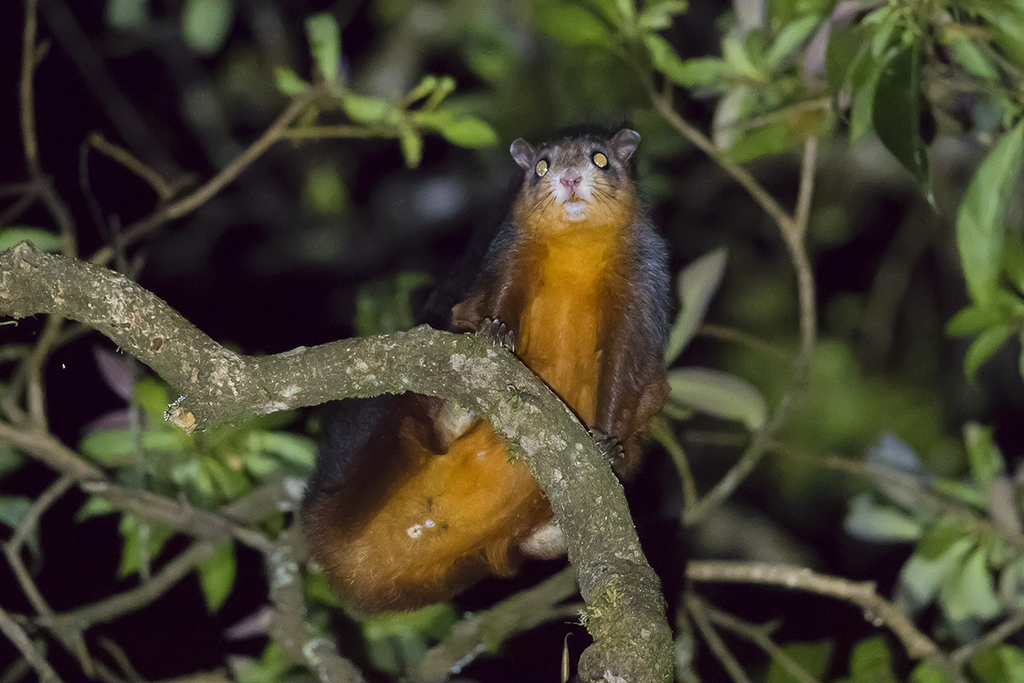
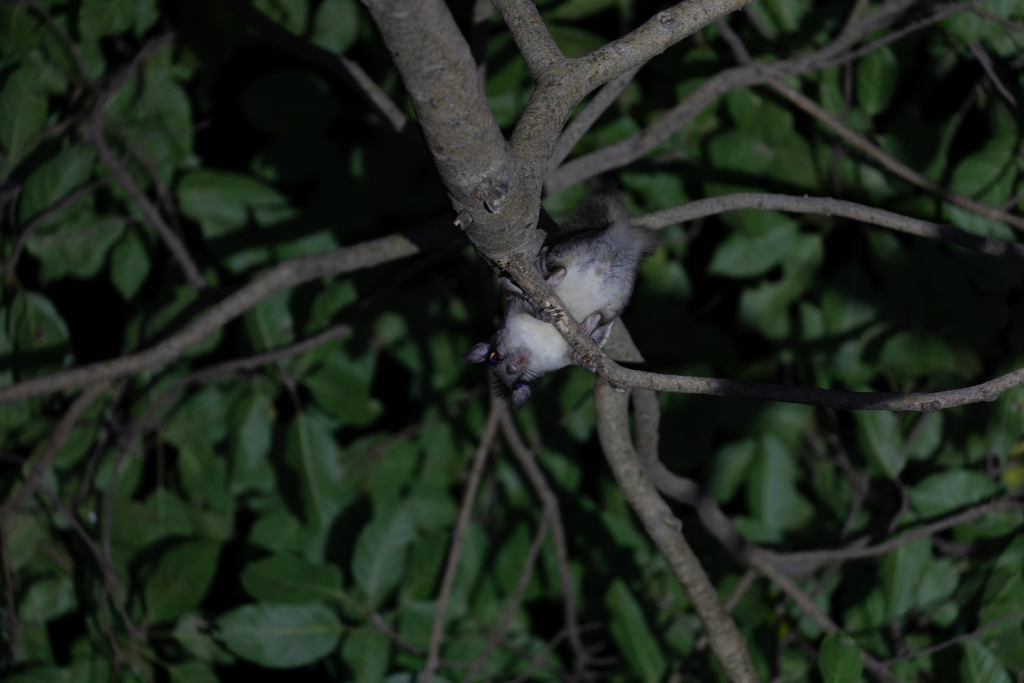
Palawan Flying Squirrel
NATURAL CONTEXTPalawan Flying SquirrelRemove snag, fall, chew and entrapment hazards before they become emergencies.© Lorenzo Vinciguerra, some rights reserved (CC BY-NC) · CC-BY-NC · VIEW SOURCE ↗

Prevent the emergencies you can predict

Secure tiny gaps, vents, doors and mesh because flyers can squeeze through surprisingly small openings. Remove open water hazards, ceiling fans and sharp projections from exercise rooms. Keep a carrier that closes securely without snagging the patagium.

Long-term squirrel care is easier when the environment assumes the animal will chew, dig, climb, squeeze, test latches and investigate anything new.
Escape-proofing and household hazards

  • Use secondary containment. Clean and transfer in a closed room or vestibule when possible.
  • Lock doors and lids. Carabiners or true latches are safer than friction-fit lids.
  • Protect electrical cords and appliances. Chewing can cause burns, shock and fire.
  • Remove toxic plants, pesticides, rodenticides, nicotine, medications and cleaning chemicals.
  • Separate predators and other pets. Even familiar dogs/cats can injure a squirrel in seconds.
  • Check water hazards and fans. Open toilets, buckets, aquariums and moving ceiling fans can be fatal.
VISUAL CONTEXT

Put the guidance into visual context

These are reference examples, not one-size-fits-all prescriptions. Use them to connect the written guidance to posture, movement and habitat.

Indochinese Flying Squirrel
NATURAL CONTEXTIndochinese Flying SquirrelA frightened animal may move faster and use routes it normally ignores, so emergency containment needs redundancy.© Utain Pummarin, some rights reserved (CC BY) · CC-BY · VIEW SOURCE ↗
Jentink’s Flying Squirrel
NATURAL CONTEXTJentink’s Flying SquirrelKeep carriers, towels, basic records and other transport supplies where they can be reached quickly.© sunny1az, some rights reserved (CC BY-NC) · CC-BY-NC · VIEW SOURCE ↗

Heat, cold, storms and power failure

  • Have a temperature backup. Know how the care room/enclosure will remain safe if HVAC or power fails.
  • Outdoor housing needs shade and dry storm shelter. Make sure burrow/dig areas cannot flood.
  • Do not use improvised heaters inside chew range. Heat sources should not create burns, toxic fumes or electrical access.
  • Keep transport crates ready. Evacuation is much easier when the animal is already carrier-trained.
VISUAL CONTEXT

Keep the animal’s natural behavior in view

The goal is not to copy a wild scene literally; it is to preserve the movement, choice, retreat and foraging opportunities the animal is adapted to use.

Gray-cheeked Flying Squirrel
NATURAL CONTEXTGray-cheeked Flying SquirrelDoors, mesh, latches and tunnel connections should be checked as physical systems, not trusted by habit.© jgrogers, some rights reserved (CC BY-NC) · CC-BY-NC · VIEW SOURCE ↗
Spotted Giant Flying Squirrel
NATURAL CONTEXTSpotted Giant Flying SquirrelHeat, cold, flooding, smoke and power failure can turn a safe enclosure into an emergency environment.© matthewkwan, some rights reserved (CC BY-ND) · CC-BY-ND · VIEW SOURCE ↗

Transport without turning it into a second emergency

  1. 01
    Use a rigid, secure carrier. Ventilation openings must be too small to escape through.
  2. 02
    Add familiar safe bedding. Avoid loose loops or heavy objects that can shift during travel.
  3. 03
    Keep the carrier covered enough to reduce visual stress while maintaining ventilation.
  4. 04
    Control temperature. Never leave the carrier in a parked vehicle.
  5. 05
    Bring records. Food list, weight history, medications, recent photos/video and a stool sample if the clinic requests one.

Emergency plan

PRACTICAL EXAMPLE

What should already be ready

The goal is to remove decisions from the most stressful moment.

  1. 01
    Primary exotics veterinarian and after-hours clinic numbers.
  2. 02
    Secure carrier plus backup carrier for a companion or separation.
  3. 03
    Clean towels/fleece, gloves, basic lighting and a small scale.
  4. 04
    Current medication list and written health history.
  5. 05
    Backup caregiver and evacuation destination that can legally and safely house the animal.
VISUAL CONTEXT

Use the whole environment as part of care

As you finish the care plan, check that food, structure, routine and safety still support the animal as a living, moving squirrel—not just an occupant of a cage.

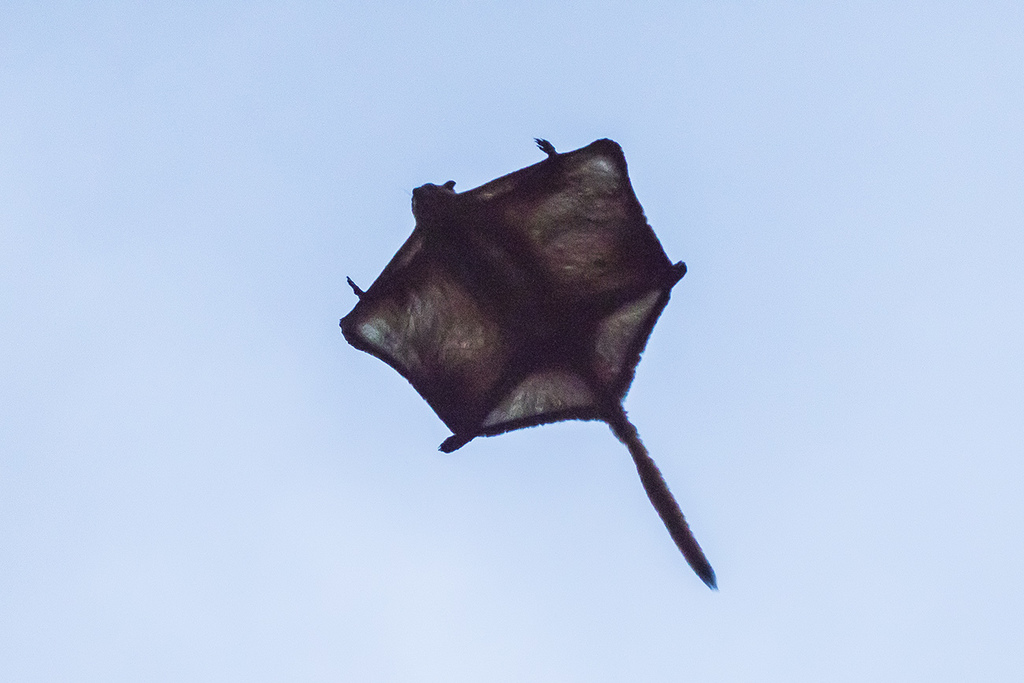
Red Giant Flying Squirrel
NATURAL CONTEXTRed Giant Flying SquirrelPlan how to isolate an injured or fighting animal without dismantling the entire habitat under stress.© matthewkwan, some rights reserved (CC BY-ND) · CC-BY-ND · VIEW SOURCE ↗
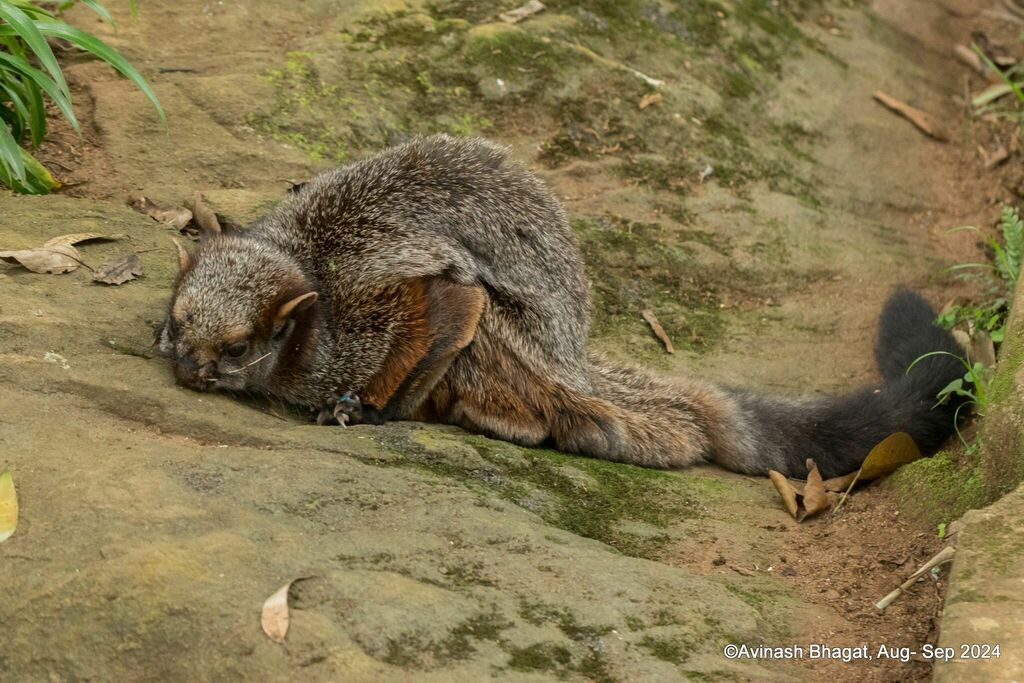
Indian Giant Flying Squirrel
NATURAL CONTEXTIndian Giant Flying SquirrelSafe husbandry includes knowing when home care has ended and professional veterinary or rehabilitation help is needed.© Avinash Bhagat, some rights reserved (CC BY-NC) · CC-BY-NC · VIEW SOURCE ↗

Florida-specific emergency planning

  • Heat: build shade and backup cooling around the exact species; outdoor Florida conditions can exceed the climate an animal is adapted to.
  • Hurricanes / power loss: keep a rigid carrier for every animal, destination options that will accept the species, backup power/cooling where needed, several days of normal food/water and printed veterinary/legal records.
  • Flooding: burrow/dig systems need drainage and a dry refuge above any possible water level.
  • Public evacuation: Florida personal-pet rules do not automatically authorize public exhibition/contact. Keep transport contained and verify any destination requirements.
  • Rescued native wildlife: a storm-injured or orphaned native squirrel is a rehabilitation case, not a pet-acquisition route.

For flying squirrels, emergency containment still must preserve ventilation, safe temperature and enough room for normal postural adjustment. Do not make an evacuation carrier the long-term enclosure.

Sources