FLYING SQUIRRELS CARE

Enclosure & Environment

Space, substrate, shelter, climbing/gliding/digging structure, temperature, lighting and cleaning.

COMPLETE CARE LIBRARY
VISUAL START

Space, structure & retreat

Flying squirrels are nocturnal gliders. Vertical routes, safe launch and landing space, cavity-like retreats and low-stress night routines should shape husbandry.

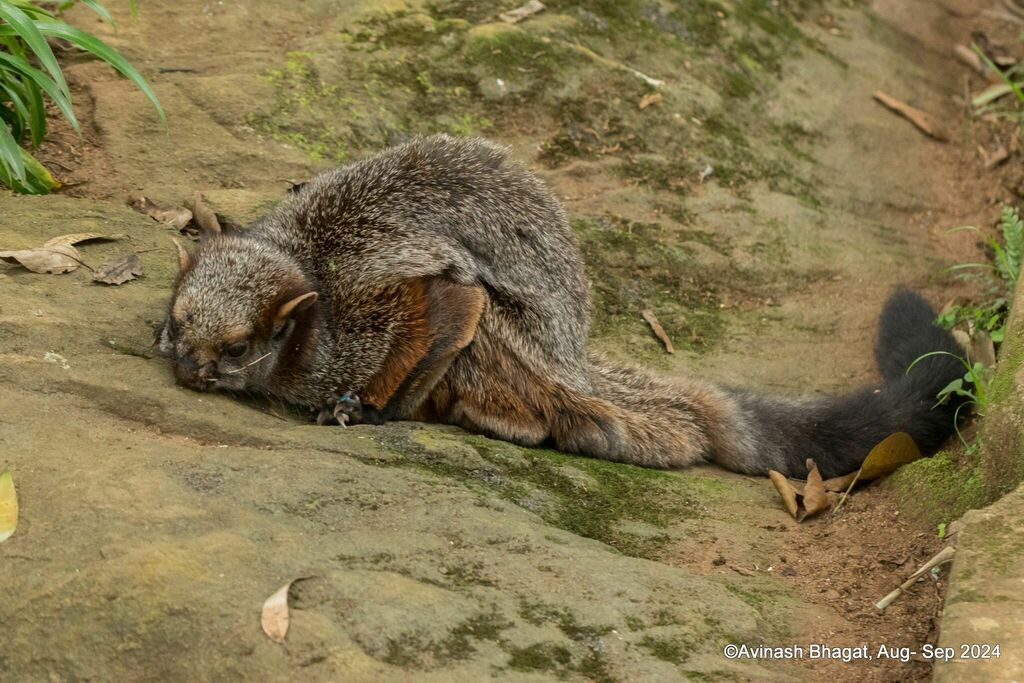
Indian Giant Flying Squirrel
NATURAL CONTEXTIndian Giant Flying SquirrelNatural movement shows why usable routes matter more than empty cubic space.© Avinash Bhagat, some rights reserved (CC BY-NC) · CC-BY-NC · VIEW SOURCE ↗
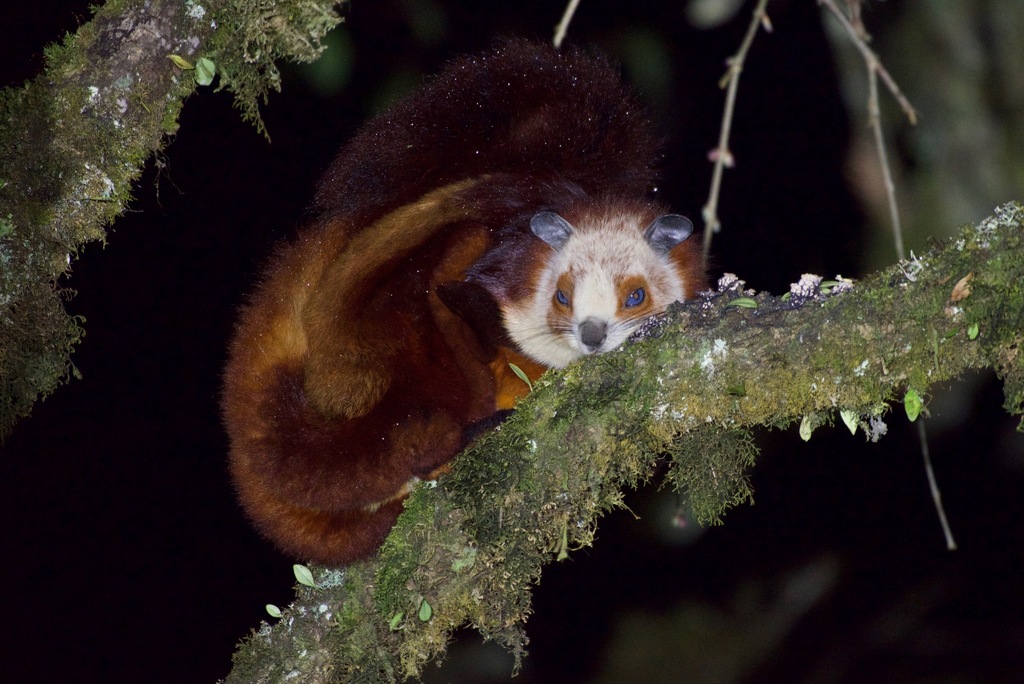
Red-and-white Giant Flying Squirrel
NATURAL CONTEXTRed-and-white Giant Flying SquirrelRetreat and nesting sites should let the animal choose privacy instead of being exposed on every side.© 武亦乾 Yiqian Wu, some rights reserved (CC BY-NC) · CC-BY-NC · VIEW SOURCE ↗
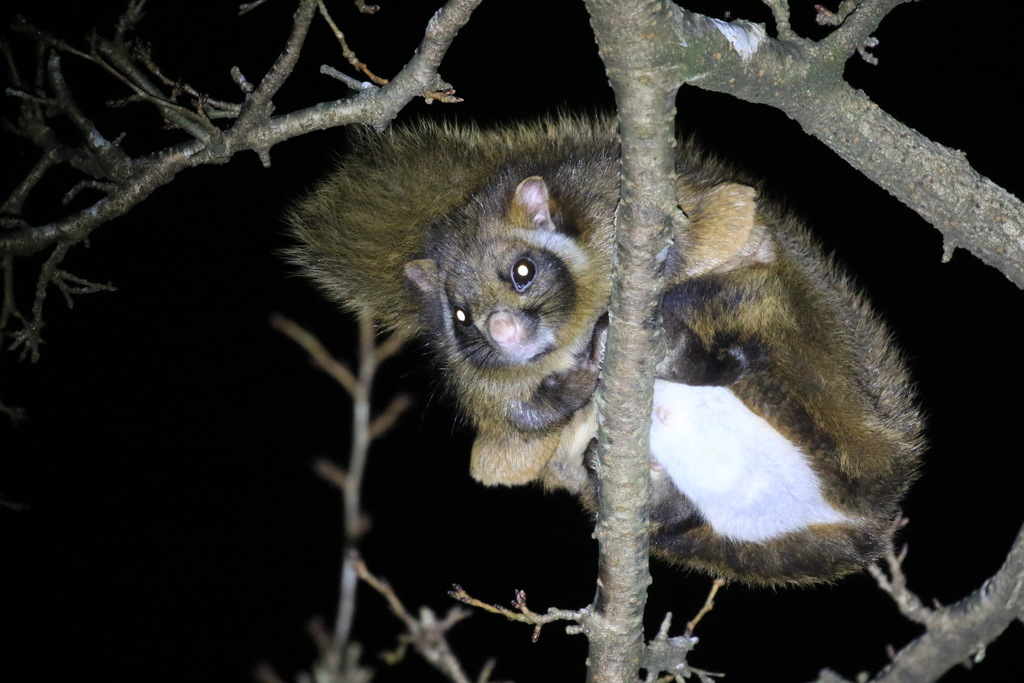
Japanese Giant Flying Squirrel
NATURAL CONTEXTJapanese Giant Flying SquirrelSubstrate and structural complexity should reflect how this group climbs, digs, glides or shelters in the wild.© Hiroki Shudo, some rights reserved (CC BY-NC) · CC-BY-NC · VIEW SOURCE ↗
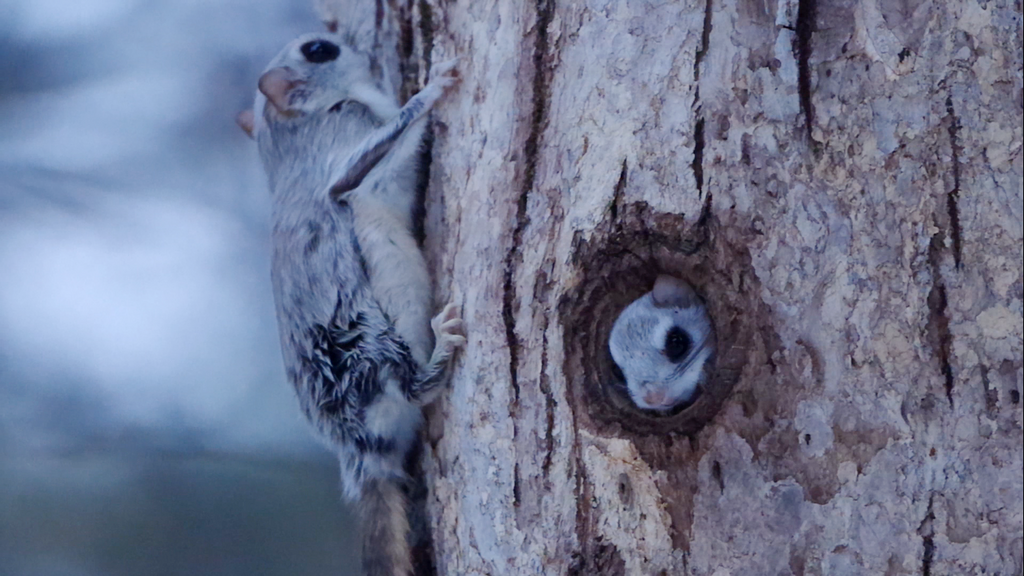
Japanese Flying Squirrel
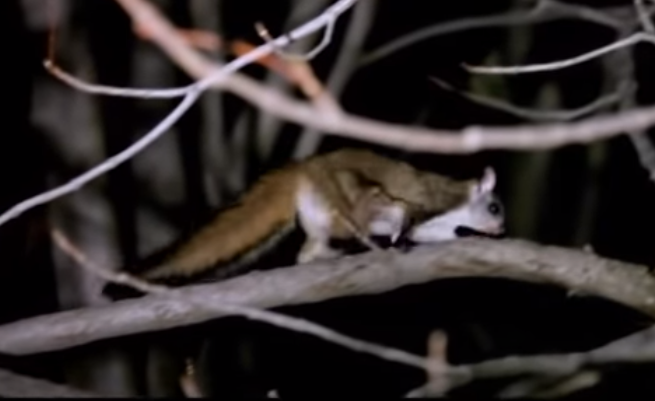
NATURAL CONTEXTJapanese Flying SquirrelMultiple routes reduce dead ends and make the enclosure more functional during normal movement.© masaki_ishihara, some rights reserved (CC BY-NC-ND) · CC-BY-NC-ND · VIEW SOURCE ↗

Florida enclosure rules + USDA housing baseline

FLORIDA REFERENCE · CHECKED AUGUST 18, 2026

Florida is the legal reference used on this page. FWC’s personal-pet guidance lists squirrels, chipmunks and prairie dogs among species that do not require a Florida personal-pet permit, but the exact species can still be affected by other wildlife, nonnative/prohibited-species, transport, zoning or local rules. This does not authorize taking native wildlife from the wild. If you are outside Florida, check your own state/province and local law before acquiring, moving or housing the animal.

FLORIDA CAGING

Arboreal squirrels

4 ft × 4 ft × 6 ft high for up to two animals. For each additional animal, Florida requires 25% more of the original floor area. Florida also requires climbing apparatus, gnawing items, a safe enrichment/manipulation device, and shelters or nest boxes that can hold all animals at the same time.

USDA BASELINE

Normal movement still matters

SQRLFather applies the core welfare principles in USDA 9 CFR Part 3, Subpart F throughout this library: structurally sound housing, species-compatible climate/light/ventilation, sufficient space for normal movement and social posture, wholesome food, potable water, sanitation, compatible housing and trained care. At facilities or activities covered by the Animal Welfare Act, these federal standards are enforceable requirements. For private keepers outside that coverage, this guide uses the same housing, sanitation, food/water and welfare principles as a minimum care benchmark rather than claiming that USDA licensing automatically applies.

Important: A Florida numeric cage size is a legal minimum, not proof that a setup meets the animal’s full behavioral needs. This group is built for nocturnal climbing, launching, gliding and broad safe landing. If the legal footprint does not allow those behaviors, the husbandry plan needs more usable space/complexity.
Design around natural movement

Build vertically but preserve horizontal glide lanes. Give the animal high launch points, broad safe landing surfaces, branches between levels and protected nest boxes. Dense clutter that blocks a glide can be more dangerous than an open lane.

Merck’s zoo-animal husbandry guidance emphasizes approximating the natural environment and providing protected shelter, appropriate substrate and opportunities for species-normal behavior. For a permanently kept squirrel, the enclosure is its habitat; it should not function as a storage cage between short play sessions.

VISUAL CONTEXT

Put the guidance into visual context

These are reference examples, not one-size-fits-all prescriptions. Use them to connect the written guidance to posture, movement and habitat.

Siberian Flying Squirrel
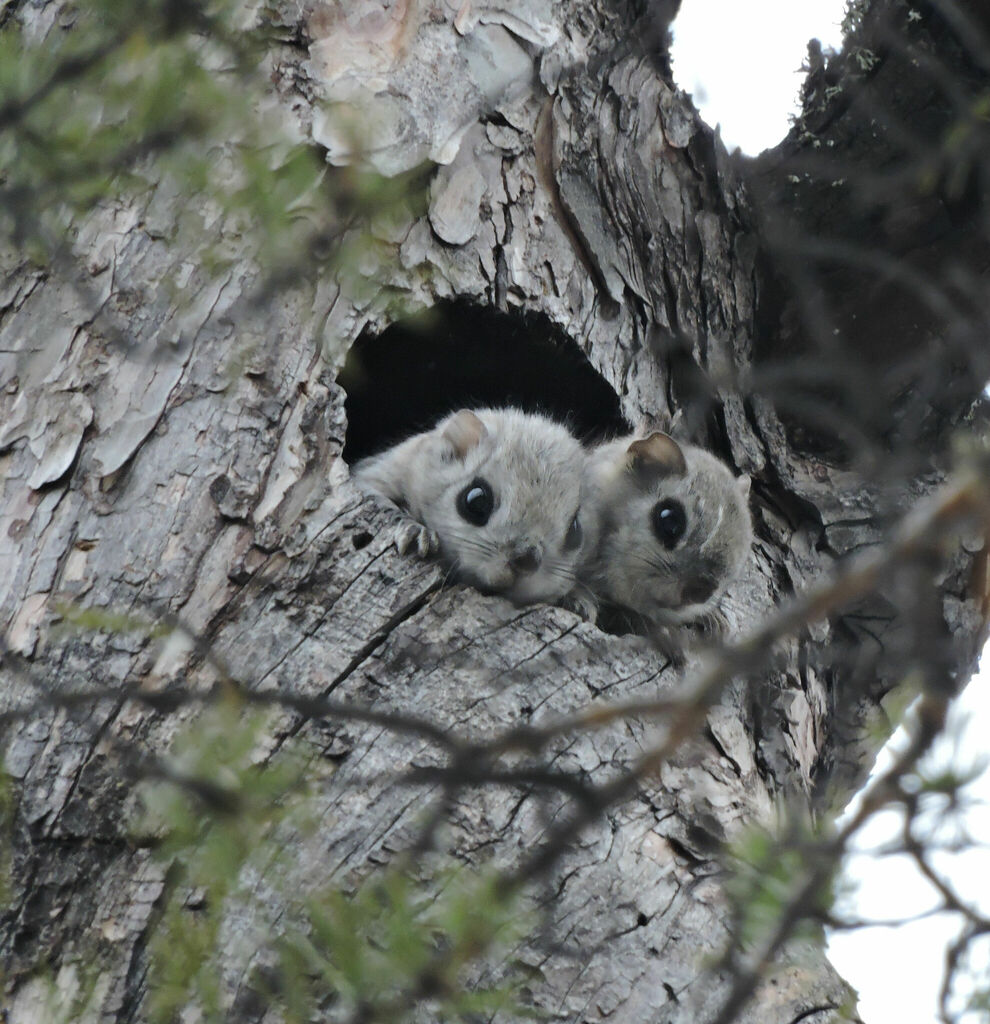
NATURAL CONTEXTSiberian Flying SquirrelStable resting places should be dry, secure and positioned where the animal naturally seeks shelter.© Светлана Черепанова, some rights reserved (CC BY-NC) · CC-BY-NC · VIEW SOURCE ↗
Black Flying Squirrel
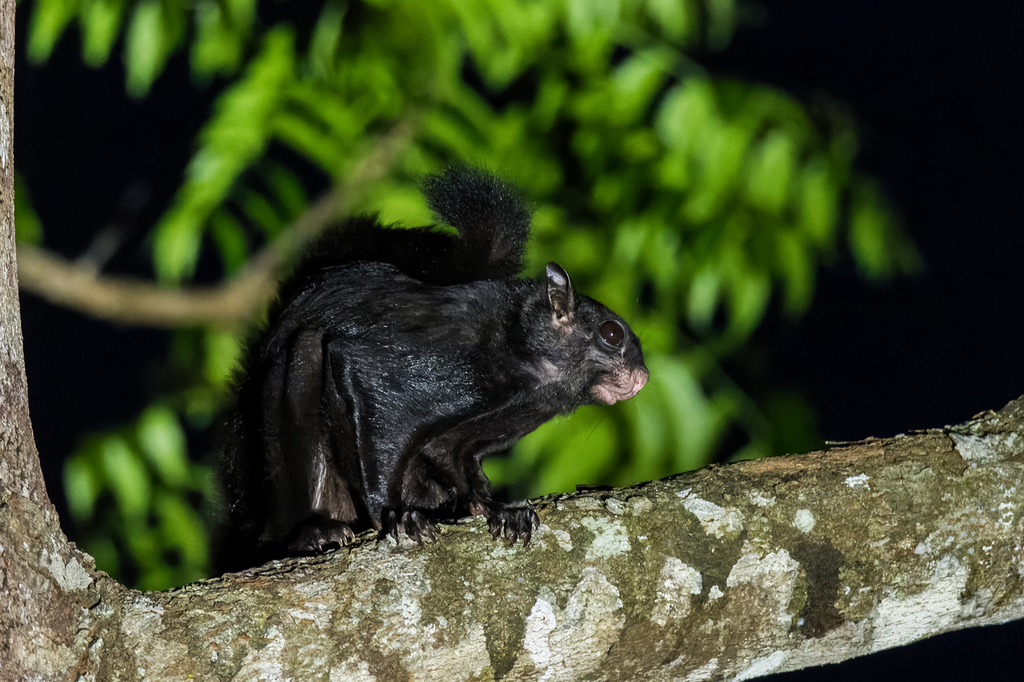
NATURAL CONTEXTBlack Flying SquirrelAn enclosure should support full-body movement rather than only contain the animal.© Wich’yanan (Jay) Limparungpatthanakij, some rights reserved (CC BY-NC) · CC-BY-NC · VIEW SOURCE ↗

Florida minimum enclosure + required features

Do not design to dimensions alone. USDA Subpart F requires adequate freedom of movement and normal postural/social adjustments at facilities covered by the Animal Welfare Act. SQRLFather uses that same behavior-based test for every long-term setup, including private homes that are not federally regulated.

Core equipment checklist

  • Tall secure enclosure: Fine-gap, escape-resistant construction with doors that can be opened without creating a direct escape route.
  • Multiple nest boxes: Dark, dry cavities with safe non-looping nesting material; provide more than one option when housing compatible animals.
  • Launch & landing surfaces: High launch points paired with broad bark-textured trunks/shelves; keep at least one route uncluttered enough for short glides.
  • Branch network: Several diameters and textures, including routes that let the squirrel climb without being forced to glide every time.
  • Night foraging system: Measured food hidden or suspended in several places so normal nocturnal searching replaces a single bowl-only routine.
  • Quiet daytime zone: A predictable low-disturbance area so a nocturnal animal can sleep during the day.
  • Scale, carrier & records: Weight monitoring, rigid escape-proof transport carrier, and a written baseline of appetite, stool, coat and activity.
  • Florida heat/storm backup: Temperature monitor, backup cooling/power and an evacuation carrier/location that can be used during severe weather.

Build the enclosure in functional zones

ZONE 1

High nest boxes with secure entrances

Provide more than one protected cavity so an animal can choose a sleeping site without being trapped by a cage mate.

ZONE 2

At least one unobstructed glide lane

Keep a clear launch-to-landing corridor; filling every inch with toys can make gliding less safe, not more enriching.

ZONE 3

Broad landing shelves or trunk-like surfaces

Use broad bark-like surfaces and shelves as forgiving landing targets rather than narrow smooth perches.

ZONE 4

Branches with several diameters and textures

Combine rigid routes with smaller branches and browse so climbing, balancing and chewing all occur during normal travel.

ZONE 5

Quiet daytime sleeping zone away from bright constant activity

Place sleeping cavities away from bright daytime traffic and keep a dependable dark/quiet sleep period.

VISUAL CONTEXT

Keep the animal’s natural behavior in view

The goal is not to copy a wild scene literally; it is to preserve the movement, choice, retreat and foraging opportunities the animal is adapted to use.

Whiskered Flying Squirrel
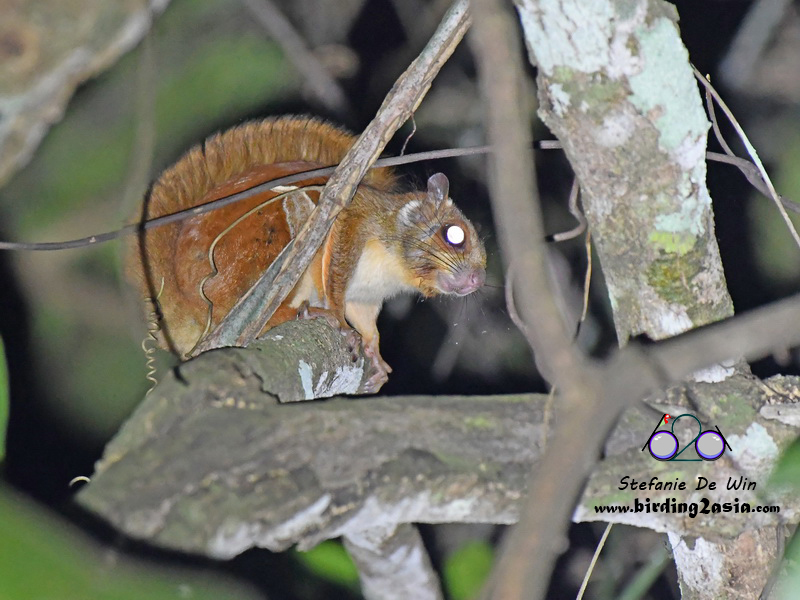
NATURAL CONTEXTWhiskered Flying SquirrelBranches, tunnels, shelves, burrow depth or launch routes should be functional—not decorative obstacles.© stefanie_de_win, some rights reserved (CC BY-NC) · CC-BY-NC · VIEW SOURCE ↗
Mindanao Flying Squirrel
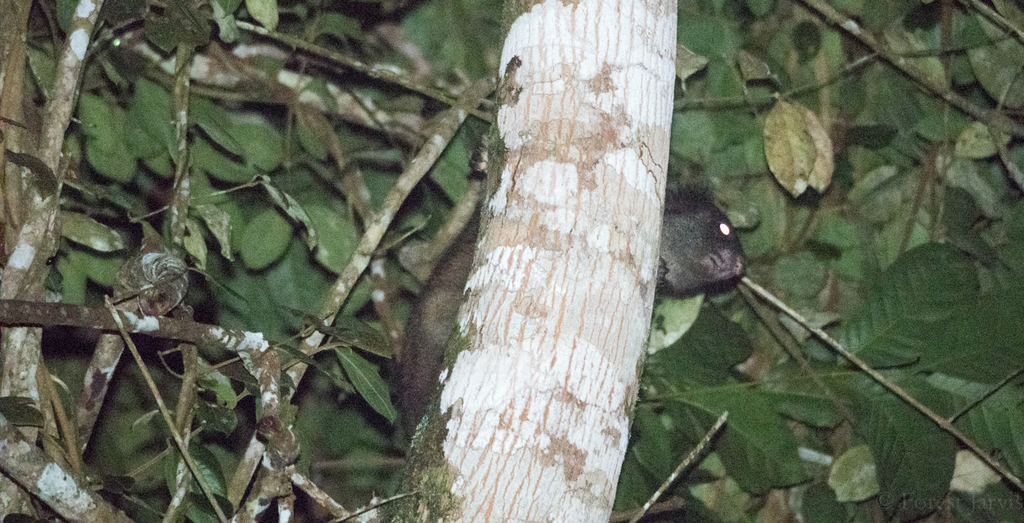
NATURAL CONTEXTMindanao Flying SquirrelVisual barriers and covered retreats help an animal get away from people, cage-mates or activity when it chooses.© Forest Botial-Jarvis, some rights reserved (CC BY) · CC-BY · VIEW SOURCE ↗

Substrate, bedding and construction

Use soft, non-looping bedding in nests and easy-to-clean floor substrate. Keep the lower enclosure forgiving because missed landings and dropped food are normal.

  • Escape-proof first: inspect seams, door gaps, fasteners, floor edges and any material that can be chewed or pushed.
  • Use non-toxic materials: untreated wood/browse can be chew material, while structural framing must remain safe if gnawed.
  • Avoid loop hazards: frayed fabric, string and loose mesh can trap toes, limbs or tails.
  • Give choice: every animal should be able to move between exposed activity space and a protected retreat without being cornered.

Temperature, light, noise and cleaning

  • Temperature: avoid extremes and provide shade, dry shelter and species-appropriate warmth/cooling choices.
  • Light cycle: keep a consistent day/night rhythm. Nocturnal species need a genuinely dark, quiet sleeping period.
  • Ventilation: prevent ammonia buildup and stale humid air while avoiding constant drafts.
  • Cleaning: spot-clean wet/soiled areas frequently, then rotate deeper cleaning so the habitat stays sanitary without being chemically harsh.
  • Cleaning products: rinse thoroughly and do not return the animal until surfaces are dry and fumes are gone.
VISUAL CONTEXT

Use the whole environment as part of care

As you finish the care plan, check that food, structure, routine and safety still support the animal as a living, moving squirrel—not just an occupant of a cage.

Complex-toothed Flying Squirrel
NATURAL CONTEXTComplex-toothed Flying SquirrelFlooring and substrate should support normal foot use while avoiding snag, dust, mold and ingestion hazards.© 通通, some rights reserved (CC BY-NC) · CC-BY-NC · VIEW SOURCE ↗
Kashmir Flying Squirrel
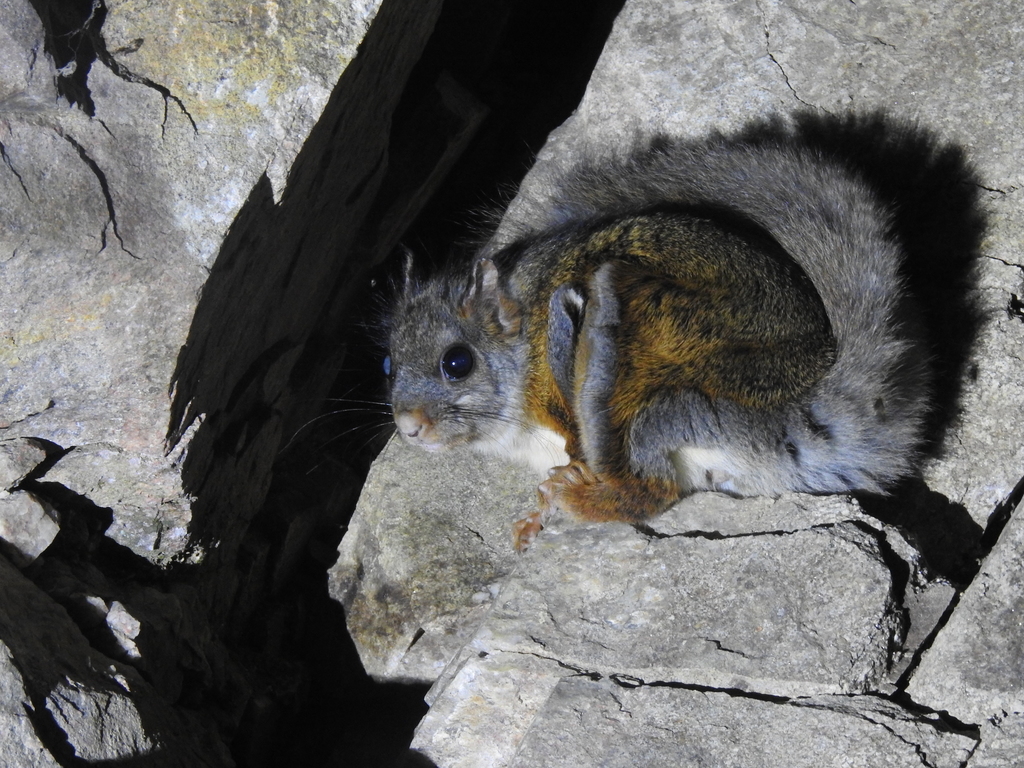
NATURAL CONTEXTKashmir Flying SquirrelThink in routes and zones: feed, rest, hide, move and eliminate should not all be forced into the same small area.© Ahmad Hassan, some rights reserved (CC BY-NC) · CC-BY-NC · VIEW SOURCE ↗

Example enclosure layout

PRACTICAL EXAMPLE

Five-zone setup

Florida’s arboreal-squirrel minimum is 4 × 4 × 6 ft for up to two animals, but that footprint does not create a long natural glide. Inside that legal floor, preserve at least one unobstructed launch-to-landing route and multiple climbing alternatives; for long-term welfare, use additional secure glide/exercise volume rather than treating the minimum dimensions as a complete flying-squirrel habitat.

  1. 01
    Movement zone: high nest boxes with secure entrances.
  2. 02
    Retreat zone: broad landing shelves or trunk-like surfaces.
  3. 03
    Foraging zone: place part of the daily ration away from the sleeping area so feeding requires movement.
  4. 04
    Maintenance zone: keep water and one feeding station easy to remove and sanitize.
  5. 05
    Shift/transport option: build in a way to close the animal into a safe section or carrier while repairs or deep cleaning occur.

Sources