FLYING SQUIRREL RESCUE · STAGE 1

Stage 1 — Discovery, Identification & Reunification

Decide whether rescue is truly needed, preserve the find location, identify the flying squirrel as accurately as possible and give a healthy infant the best safe chance to return to its mother.

AT A GLANCEDo these things before moving on
IDENTIFYConfirm the animal group before choosing a feeding or release plan

Confirm the animal group before choosing a feeding or release plan.

LOCATIONKeep the exact find location; reunification and release depend on it

Keep the exact find location; reunification and release depend on it.

CONDITIONLook for coldness, injury, pet contact, fly eggs and abnormal behavior

Look for coldness, injury, pet contact, fly eggs and abnormal behavior.

VISUAL GUIDE

See the important points for this stage

Northern Flying Squirrel
IDENTIFYNorthern Flying SquirrelConfirm the animal group before choosing a feeding or release plan.Bob Cherry / National Park Service · Public domain · VIEW SOURCE ↗
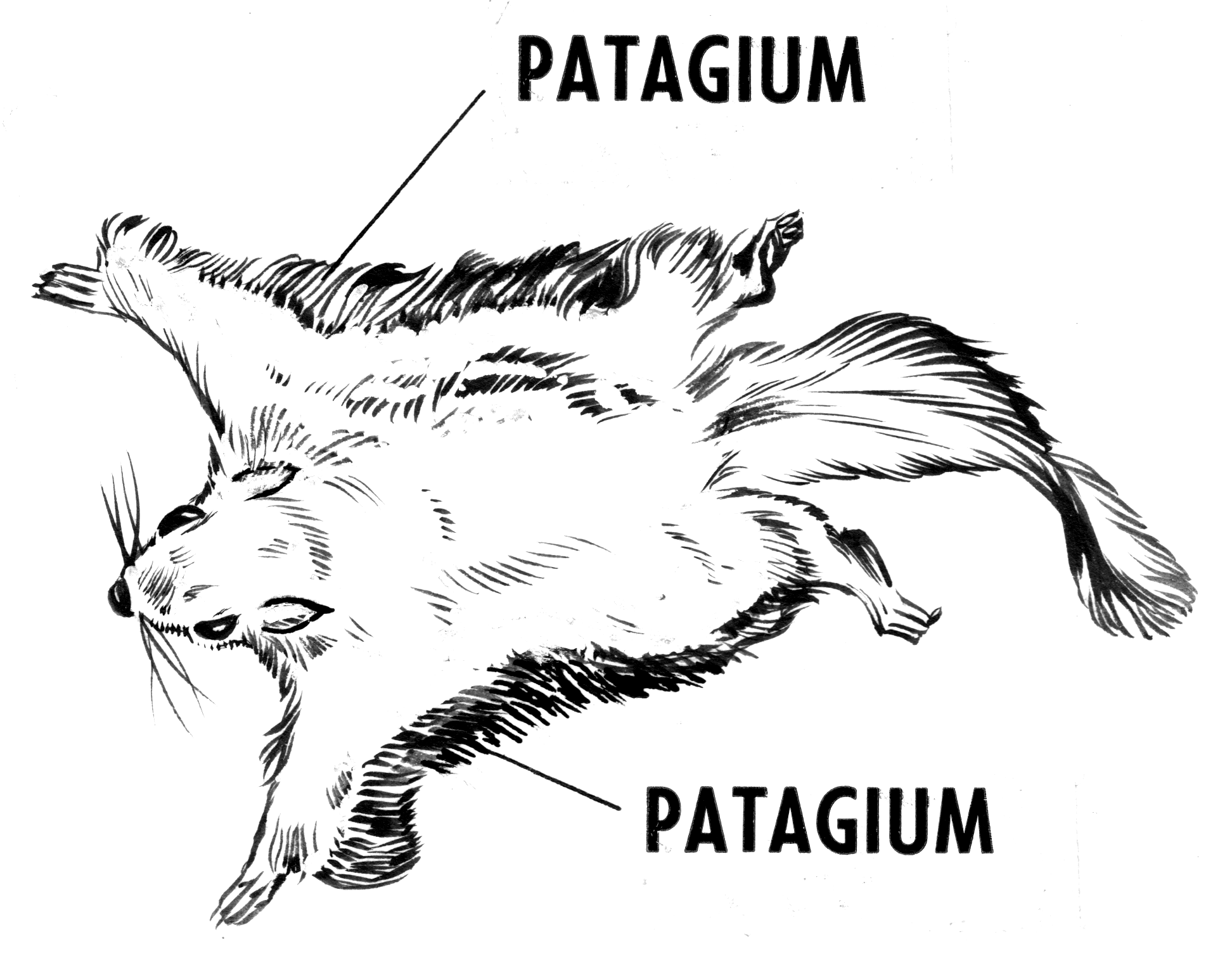
Gliding membrane / patagium
LOCATIONGliding membrane / patagiumKeep the exact find location; reunification and release depend on it.Public-domain reference · VIEW SOURCE ↗
Southern Flying Squirrel
CONDITIONSouthern Flying SquirrelLook for coldness, injury, pet contact, fly eggs and abnormal behavior.U.S. Fish & Wildlife Service · Public domain · VIEW SOURCE ↗
Southern Flying Squirrel
REUNITESouthern Flying SquirrelHealthy infants usually benefit most from a safe attempt to return them to the mother.Ken Thomas · Public domain · VIEW SOURCE ↗
LEGAL / SPECIES CHECK BEFORE LONG-TERM CARE

Wildlife-rehabilitation and possession rules vary by state, province and species. Temporary first aid does not automatically authorize long-term rehabilitation or possession. Check the SQRLFather legal guide and your wildlife agency. In the southern Appalachians, an uncertain high-elevation northern flying squirrel may be the federally endangered Carolina northern flying squirrel; do not treat a questionable identification as an ordinary Southern flying squirrel.

First question: does this squirrel need rescue?

A baby on the ground is not automatically an orphan. If it is warm, uninjured and the nest tree or original structure is known, give the mother a safe chance to recover it. For flying squirrels, daylight is a poor time to judge abandonment because the adults are nocturnal.

  1. Move pets and people away.
  2. Record the exact location, tree/building, date and time.
  3. Check for blood, swelling, obvious fracture, pet contact, fly eggs/maggots, abnormal breathing, neurologic signs or extreme weakness.
  4. If healthy, keep the infant warm and protected near the original location for a species-appropriate reunion attempt.
  5. Watch remotely/from far away; a visible person can prevent the mother from approaching.

Flying-squirrel reunification is different

A mother flying squirrel normally becomes active around dusk. A healthy baby should not simply be left exposed on the ground all day waiting for her. Use a secure, sheltered reunion container near the original nest location, keep the baby warm, dry and inaccessible to pets/predators, and bring it back in when weather, cold or daylight timing makes outdoor exposure unsafe. If a nest was disturbed during building work, give the mother a reasonable opportunity to move the young before resuming work when conditions allow.

Southern or Northern?

Southern and Northern flying squirrels overlap in parts of North America. Northern flying squirrels are generally larger. One useful field character is the belly hair: the base of the belly hairs is gray in Northern flying squirrels, while Southern flying squirrel belly hairs are white to the base. Location and elevation matter too. Do not rely on one photograph alone for a protected-species decision.

SOUTHERN APPALACHIANS

If the animal is a possible Northern flying squirrel from high-elevation habitat in North Carolina, Tennessee or southwest Virginia, treat identification as urgent. The Carolina northern flying squirrel is federally endangered. Preserve the exact find location and contact the appropriate wildlife agency/rehabilitator.

Write this down before you move on

  • Exact find location and habitat
  • Current weight in grams
  • Eyes open/closed, fur development and mobility
  • Body temperature impression: cold, normal/warm, overheated
  • Any pet contact, injury, parasites or fly eggs
  • Urine/stool seen
  • Anything already fed, given by mouth or applied to the animal
  • Whether mother/nest/siblings were seen

Sources