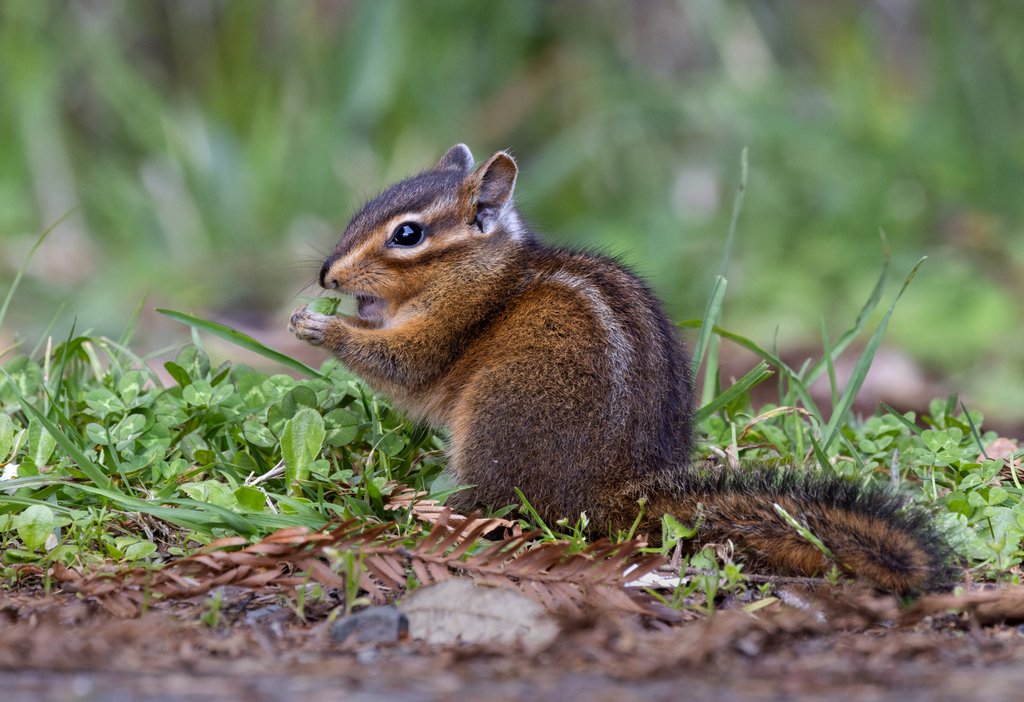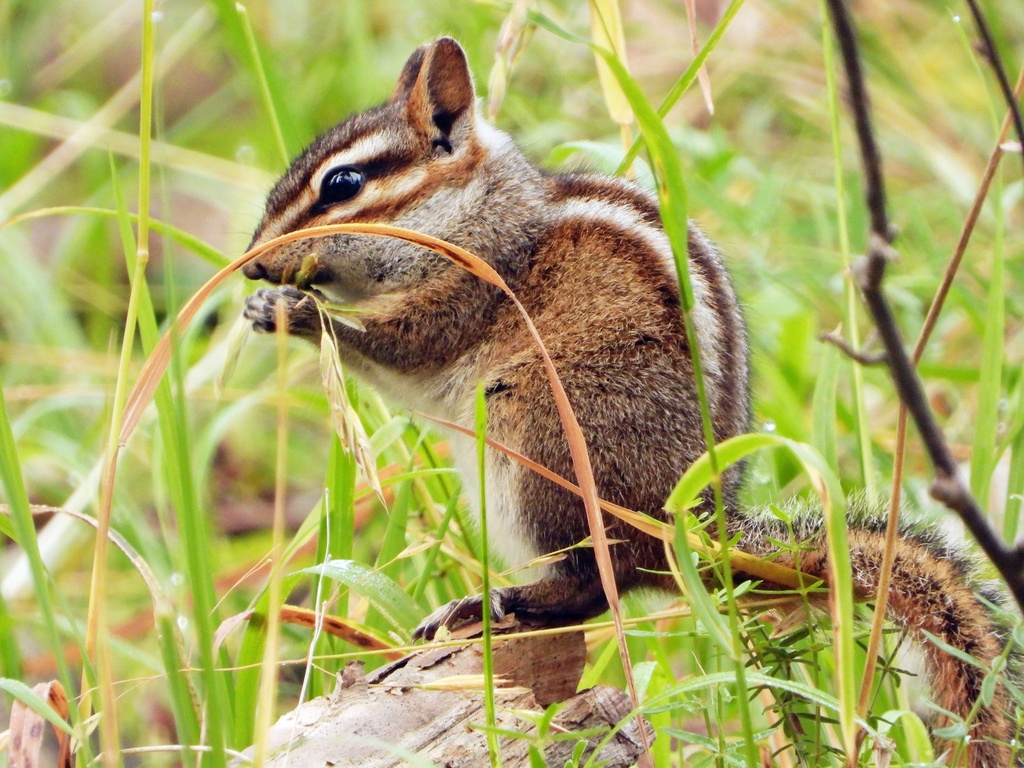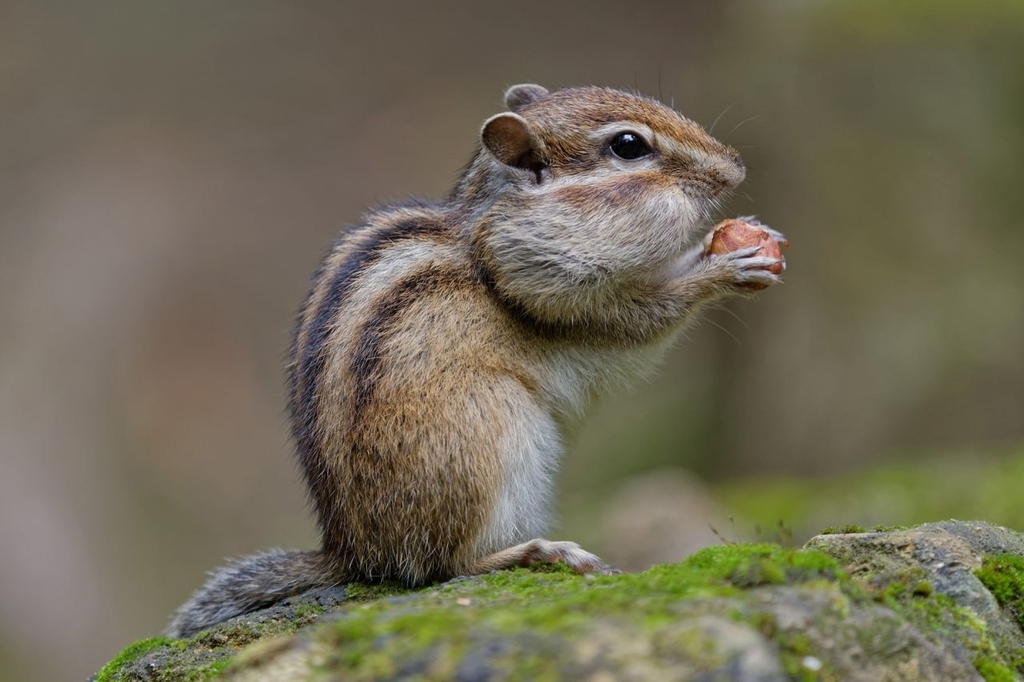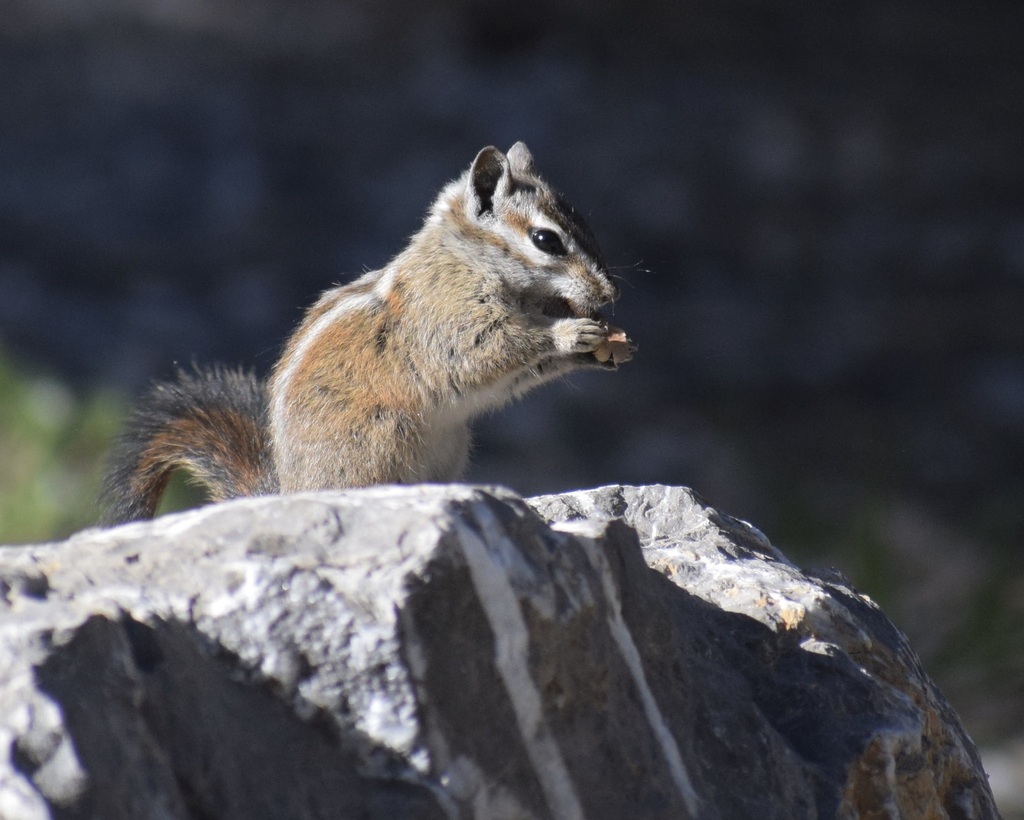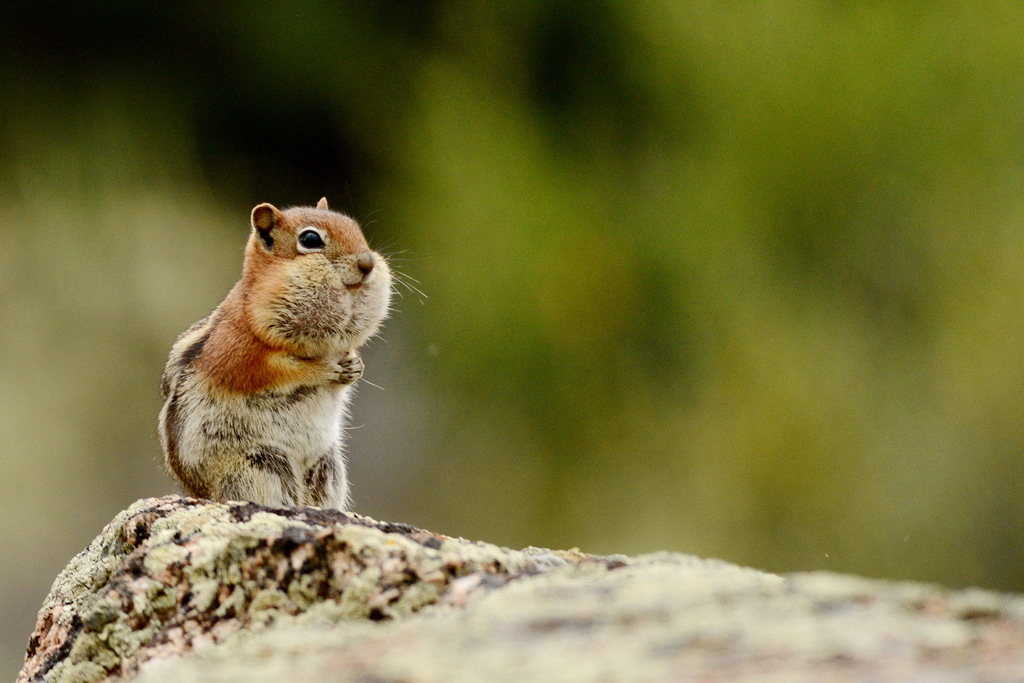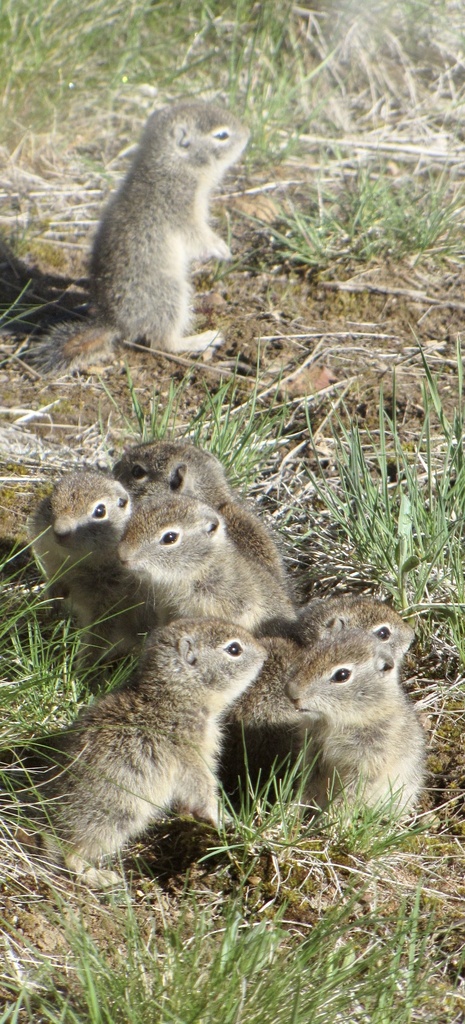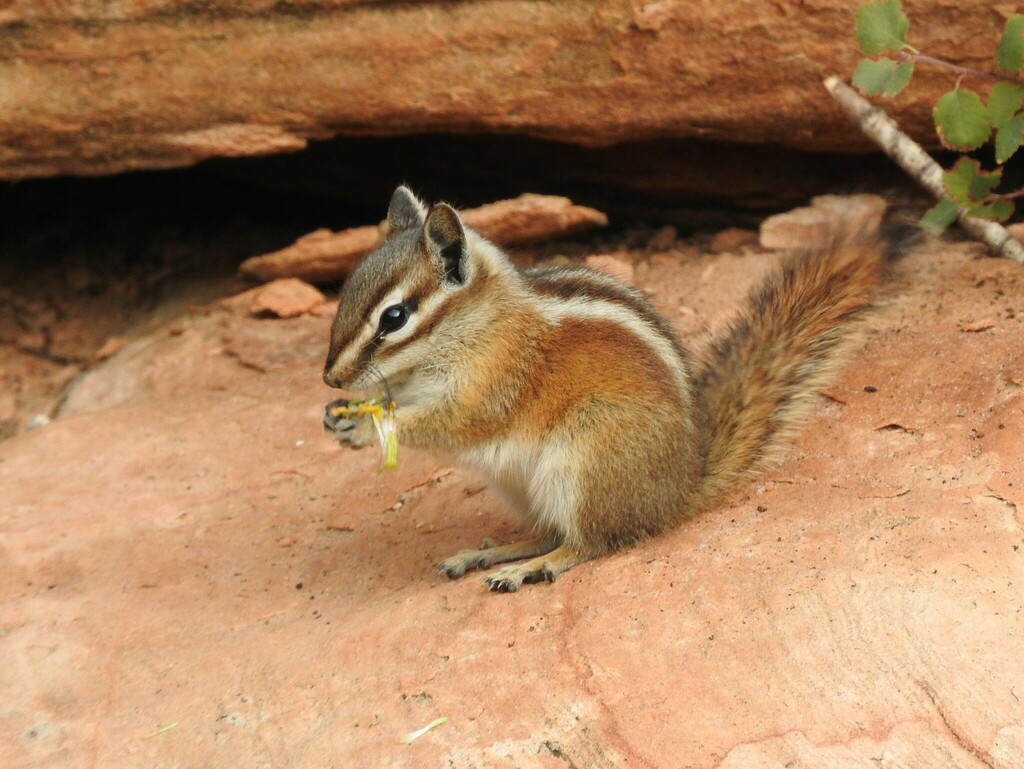
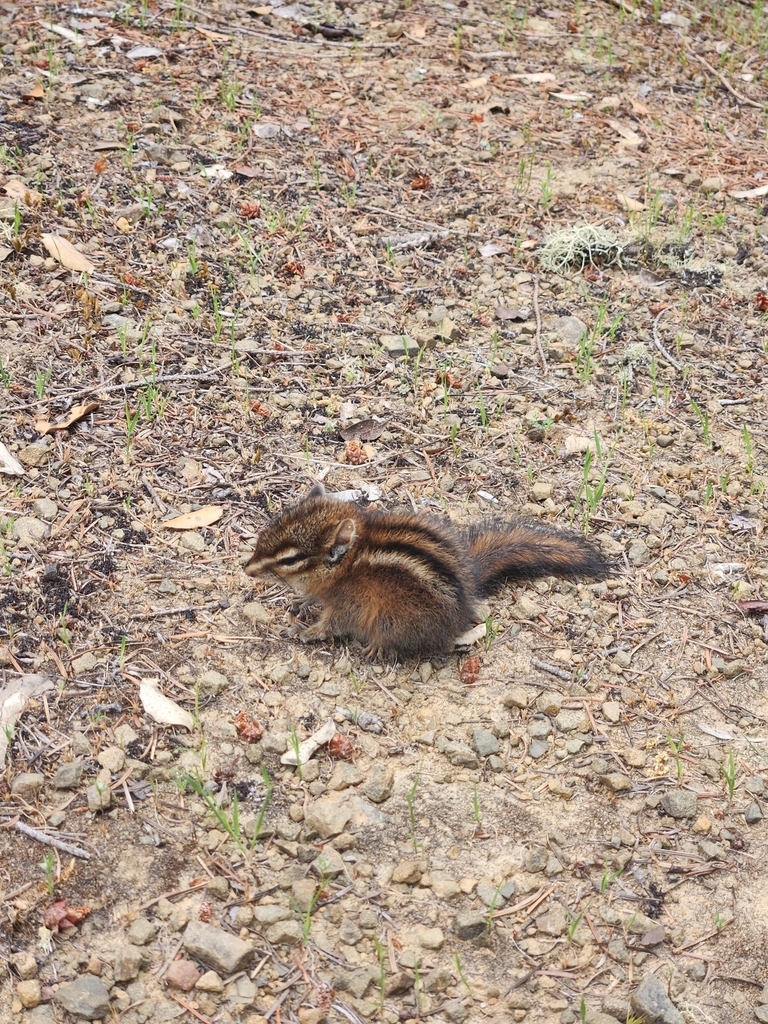

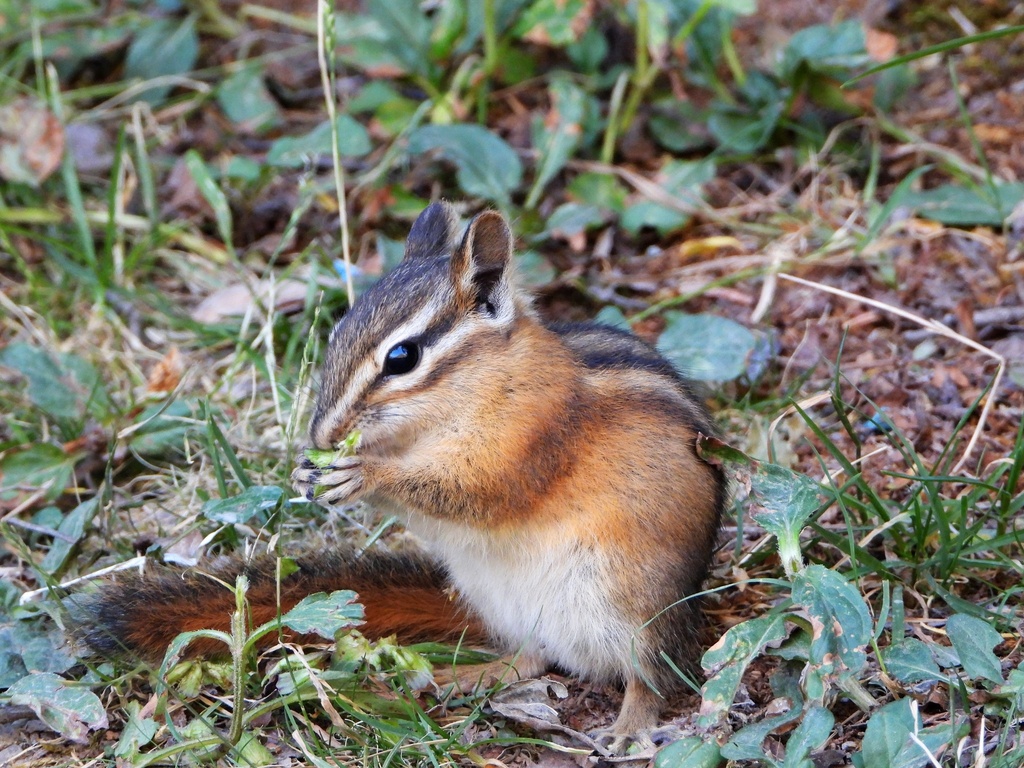
Chipmunks eat seeds, berries, nuts and fruit but also mushrooms and animal foods such as insects, larvae, slugs, snails and earthworms. They carry food in cheek pouches and store substantial caches underground.
Food, foraging & body condition
Chipmunks combine burrowing, climbing, caching and strong seasonal behavior. Good care needs both ground-level complexity and usable vertical structure.


Start with the natural diet
Species accuracy check
Put the guidance into visual context
These are reference examples, not one-size-fits-all prescriptions. Use them to connect the written guidance to posture, movement and habitat.
Build the captive diet
Use a nutritionally complete rodent pellet as the reliable base, then provide varied plant foods and small species-appropriate animal-food items. Seeds and nuts are useful for caching enrichment but should not become the whole diet.
- Quality rodent pellet as the nutrient base
- Leafy vegetables, berries or other low-sugar produce in small varied portions
- Safe seeds/nuts measured and hidden for caching behavior
- Cultivated mushrooms and safe browse where appropriate
- Small insect foods for species and individuals that naturally take them
Keep the animal’s natural behavior in view
The goal is not to copy a wild scene literally; it is to preserve the movement, choice, retreat and foraging opportunities the animal is adapted to use.
Foods to limit or avoid
Avoid unlimited seed mixes, large sugary fruit portions, moldy hidden caches, sticky foods that pack into cheek pouches, pesticide-exposed insects and sudden diet changes.
High-value foods can make an animal look enthusiastic while the overall diet becomes deficient. A squirrel that fills up on nuts, seeds, fruit or treats may refuse the foods that supply needed fiber, minerals and protein.
Use the whole environment as part of care
As you finish the care plan, check that food, structure, routine and safety still support the animal as a living, moving squirrel—not just an occupant of a cage.
Water, caches and food hygiene
- Fresh water: keep clean water available unless an exotics veterinarian has directed otherwise for a medical reason.
- Produce: wash fresh foods and remove uneaten perishable items before they spoil.
- Wild foods: collect only positively identified foods from areas free of pesticides, road contamination and obvious wildlife feces.
- Caches: respect normal caching behavior but inspect hidden food for moisture, mold, insects or rancidity.
- Change slowly: major diet corrections are usually safer when transitioned deliberately while weight and stool are monitored.