
GROUND SQUIRREL RESCUE · STAGE 7

Stage 7 — Burrowing & Pre-Release Conditioning

Build the digging, foraging, retreat, weather-acclimation and human-avoidance skills required for life on the ground.

AT A GLANCEDo these things before moving on
OUTDOOR ACCLIMATIONUse secure outdoor conditioning appropriate to the species and season

Use secure outdoor conditioning appropriate to the species and season.

SHELTERProvide natural cover, nest/burrow space and weather protection

Provide natural cover, nest/burrow space and weather protection.

SKILLSThe animal should forage, hide, move and avoid people normally

The animal should forage, hide, move and avoid people normally.

VISUAL GUIDE

See the important points for this stage

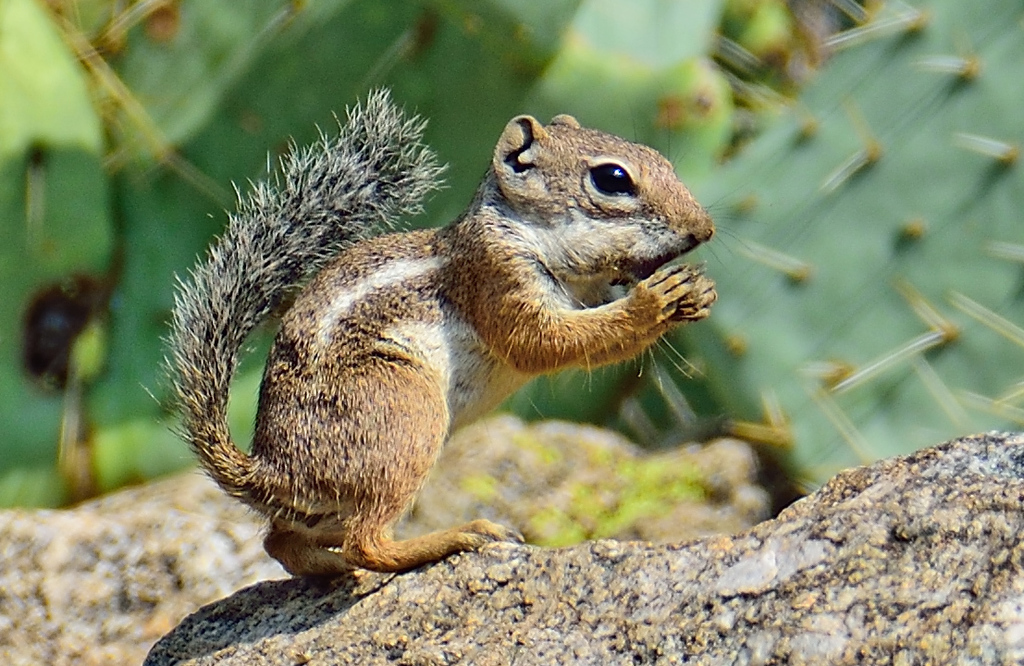
Harris’s Antelope Squirrel
OUTDOOR ACCLIMATIONHarris’s Antelope SquirrelUse secure outdoor conditioning appropriate to the species and season.© Ad Konings, some rights reserved (CC BY-NC) · CC-BY-NC · VIEW SOURCE ↗
California Ground Squirrel
SHELTERCalifornia Ground SquirrelProvide natural cover, nest/burrow space and weather protection.© Robert Levy, some rights reserved (CC BY-NC) · CC-BY-NC · VIEW SOURCE ↗
Belding’s Ground Squirrel
SKILLSBelding’s Ground SquirrelThe animal should forage, hide, move and avoid people normally.© tgroo, some rights reserved (CC BY-NC) · CC-BY-NC · VIEW SOURCE ↗
Golden-mantled Ground Squirrel
PREDATOR SAFETYGolden-mantled Ground SquirrelConditioning must protect the animal from pets and wild predators while skills develop.© Claudia Komesu, some rights reserved (CC BY-NC) · CC-BY-NC · VIEW SOURCE ↗
PRE-RELEASE FOR A GROUND SQUIRREL SHOULD LOOK LIKE THE GROUND

A tall tree-squirrel cage with a nest box is not enough. The enclosure needs diggable substrate, tunnels/burrow starts, ground cover, natural light/weather and predator-resistant construction.

Build the pre-release enclosure around survival behaviors

DIG

Burrow competence

Provide enough safe soil/substrate to excavate and reshape tunnels rather than only hide in a plastic tube.

FORAGE

Find food on the ground

Scatter, bury and vary native foods so the squirrel searches and caches instead of waiting at a bowl.

RETREAT

Choose cover fast

Multiple tunnel/rock/vegetation refuges help develop normal escape responses.

Outdoor acclimation

  • Natural day length and temperature range appropriate to the species
  • Dry shelter and drainage so burrow areas do not flood
  • Shade plus safe sun exposure
  • Protection from cats, dogs, raptors, snakes and digging predators
  • Small enough mesh to prevent escape and predator reach-through
  • Minimal direct human contact

USGS captive-husbandry reviews emphasize matching light, temperature, photoperiod and season-specific housing to ground-squirrel biology.

Release-readiness checklist

Physical: healed, normal mobility, healthy coat, normal incisors, stable body condition.
Nutrition: completely self-feeding on an appropriate adult diet.
Behavior: digs, uses tunnels, forages, caches where normal, avoids people and responds to disturbance by seeking cover.
Season: enough time remains to establish a burrow and body reserves before hibernation/estivation when relevant.
Habitat: a legal release site exists with the right soil, vegetation, cover and local species context.

Do not create a “friendly” release animal

A squirrel that runs toward people for food is not ready. Reduce visual contact, stop hand-feeding as early as practical, and use remote or concealed feeding. The goal is a wild ground squirrel that treats humans and domestic animals as things to avoid.

Sources

Ground-squirrel care varies by species. The references below cover veterinary neonatal care, wildlife rehabilitation, natural history and release planning; use species-specific ages, social behavior and seasonal timing whenever they are available.