
Weaning follows reliable solid intake, weight stability and normal elimination.
Build the solid-food base around the species’ natural ecology.
Strength, coordination, climbing/digging/gliding and foraging must develop before release.
See the important points for this stage


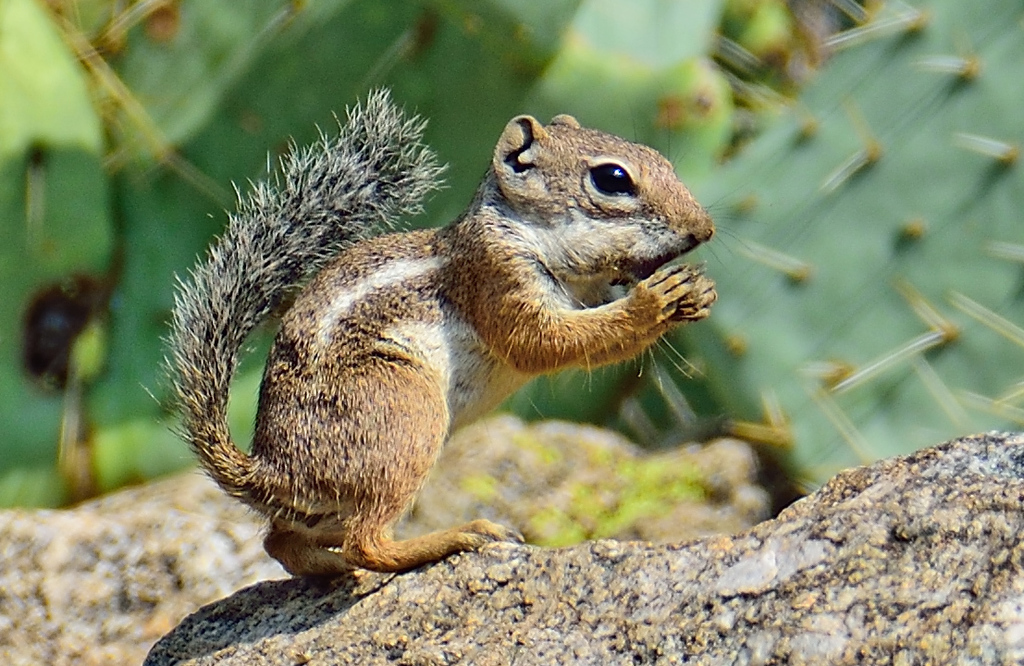
Ground-squirrel weaning varies substantially by species and size. Merck gives about six weeks as a general ground-squirrel reference, while rehabilitation natural-history guidance notes that some larger species develop more slowly. Use species, body condition, self-feeding and weight trend rather than one universal date.
Signs the juvenile is actually ready to reduce formula
How to taper
- Do not abruptly stop milk on the first day the eyes open.
- Make balanced rodent diet and natural foods available before reducing formula.
- Lengthen the least-needed feed first while watching the gram-weight trend.
- If weight falls, stool changes or the juvenile becomes frantic for milk, pause the taper and reassess.
- Continue daily weighing through the transition, then reduce frequency only after the animal is clearly self-sustaining.
Teach the food-search behaviors the wild will require
- Scatter or lightly bury food so the animal must search rather than eat from one dish.
- Offer safe native plants from pesticide-free collection sites appropriate to the species.
- Provide grasses/seed heads, roots/browse and other natural seasonal items.
- Use tunnels and multiple feeding locations to encourage movement.
- Provide safe gnawing materials for continuously growing incisors.
Move toward a real ground-squirrel enclosure
The juvenile now needs more horizontal floor space, deeper safe substrate, multiple tunnels/retreats, weather exposure appropriate to its age, and opportunities to dig. If the species hibernates or estivates, begin planning the seasonal transition now — not the week before release.
Sources
Ground-squirrel care varies by species. The references below cover veterinary neonatal care, wildlife rehabilitation, natural history and release planning; use species-specific ages, social behavior and seasonal timing whenever they are available.
