GROUND SQUIRRELS · COMPLETE CARE

Ground Squirrels Care

Burrowers that need deep digging opportunities, horizontal activity space, species-specific social management and a diet that follows seasonal plant ecology.

CARE LIBRARY

Choose what you need

These are reference pages, not a required sequence. Start with Food & Nutrition and Enclosure if you are building a care plan from scratch.

VISUAL REFERENCE

See the animal in natural context

Use the photos as a reminder that body shape, movement, habitat and feeding behavior should guide the setup.

California Ground Squirrel
NATURAL REFERENCECalifornia Ground SquirrelNatural history is the blueprint for long-term care.© Robert Levy, some rights reserved (CC BY-NC) · CC-BY-NC · VIEW SOURCE ↗
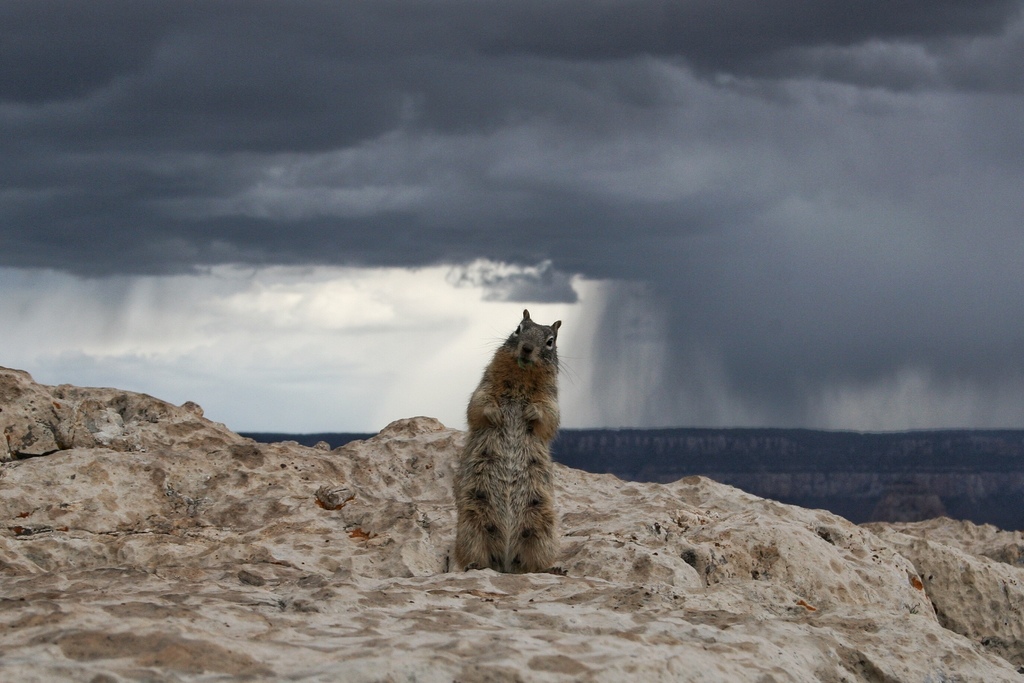
Rock Squirrel
NATURAL REFERENCERock SquirrelDiet, housing and behavior must match the animal—not a generic “squirrel” plan.© Micah Lauer, some rights reserved (CC BY-NC) · CC-BY-NC · VIEW SOURCE ↗
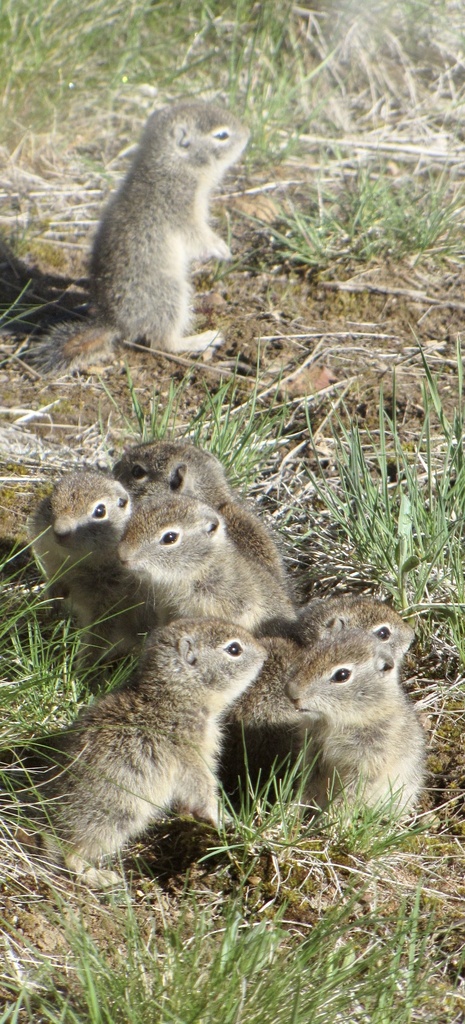
Belding’s Ground Squirrel
NATURAL REFERENCEBelding’s Ground SquirrelMovement and foraging should be built into everyday life.© tgroo, some rights reserved (CC BY-NC) · CC-BY-NC · VIEW SOURCE ↗
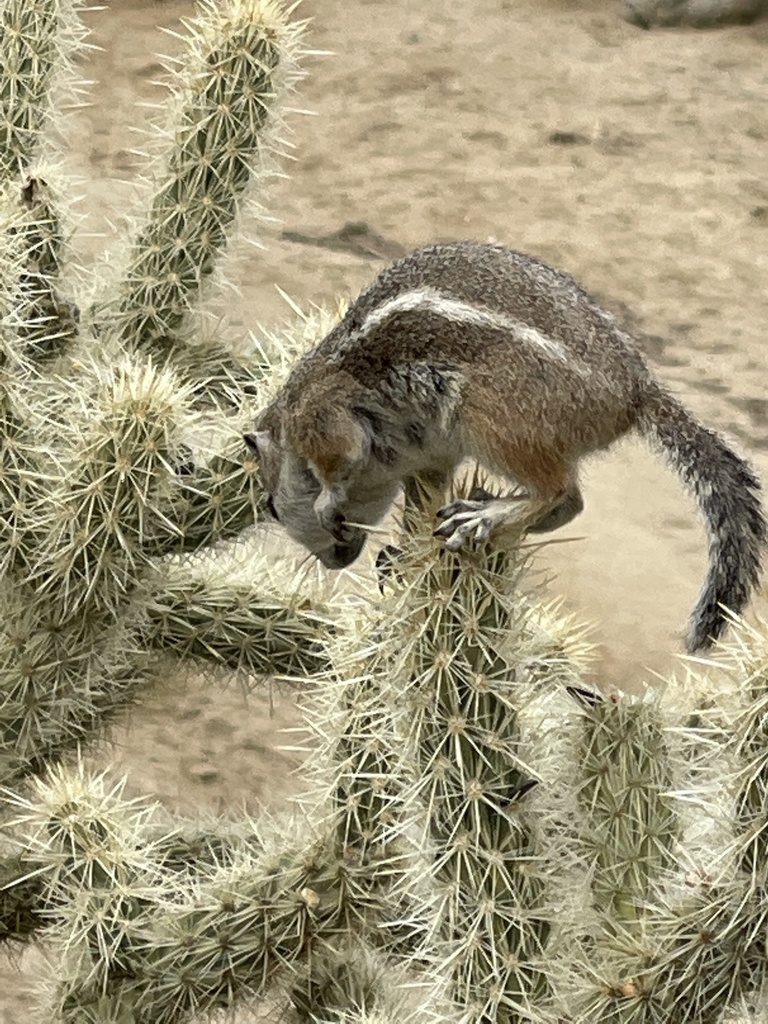
White-tailed Antelope Squirrel
NATURAL REFERENCEWhite-tailed Antelope SquirrelA good setup makes normal behavior possible without constant human direction.© dalemeister, some rights reserved (CC BY-NC) · CC-BY-NC · VIEW SOURCE ↗

Care profile at a glance

SCOPE

Ground Squirrel

Burrowing ground squirrels such as California, rock, Belding’s, antelope and related species. Diet, sociality and dormancy vary strongly by species.

FOOD

Natural diet first

Many ground squirrels shift foods with the season. California ground squirrels feed heavily on green grasses and herbaceous plants after emergence, then shift toward seeds, grains and nuts as plants dry. Other species also take insects, eggs or other animal foods, so no single ground-squirrel menu fits every species.

HOUSING

Build for the body

Prioritize floor area, dig depth and escape-proof edges over climbing height. Provide deep substrate, tunnels or buried boxes, at least two retreat options and low lookout structures. Reinforce corners and floor seams because persistent digging tests every weakness.

SOCIAL

Do not guess

Social structure ranges from strongly social colonies to much more solitary species. Identify the species before deciding on single or group housing. When animals are housed together, provide duplicate shelters and feeding sites and separate immediately if chasing prevents access to food or shelter.

A good long-term setup should answer these questions

  1. 01
    Can the animal move the way its species is built to move? Climb, glide, dig, forage, hide and rest without relying on daily free-roam to compensate for a poor enclosure.
  2. 02
    Does the diet still resemble the animal’s ecology? Not item-for-item, but in fiber, variety, plant/animal balance, foraging effort and treat limits.
  3. 03
    Can the animal choose distance? There should be a protected retreat from people, companions, noise and light.
  4. 04
    Will small health changes be noticed? Weight/body condition, teeth, stool, appetite, breathing and activity should have a known baseline.
  5. 05
    Is there a plan for years—not weeks? Aging, seasonal changes, veterinary care, enclosure repairs and backup caregiving are part of husbandry.

Before the animal arrives

Have the core housing, feeding, monitoring and backup-care equipment ready before the animal comes home. Detailed housing requirements are kept on the dedicated Enclosure & Environment page so the rest of this library stays topic-specific.

READY

Species-confirmed enclosure

Confirm the exact scientific species before building; ground-squirrel body size, digging needs, dormancy and social structure vary substantially by species.

READY

Dig zone

Deep, low-dust, uncontaminated substrate over a dig-proof base; design drainage so a burrow zone cannot flood.

READY

Tunnel & retreat system

Multiple entrances/retreats sized for the species, with modules that can be inspected for hidden food and damp bedding.

READY

Open movement area

A horizontal running/foraging zone plus low lookout structures; do not substitute vertical cage height for usable ground area.

READY

Gnawing & forage

Safe wood/browse and measured food-search opportunities distributed away from sleeping chambers.

READY

Duplicate resources when grouped

Multiple food, water and shelter locations so one animal cannot monopolize necessities.

Sources