
02 · DISTRIBUTION
Where it occurs
Current MDD country distribution: Japan.
Country-level distribution is a broad map, not a claim that the species occurs throughout every listed country.
Pteromys momonga
Current MDD recognizes this as a living species in tribe Pteromyini.
Current MDD country distribution: Japan.
Country-level distribution is a broad map, not a claim that the species occurs throughout every listed country.
Current MDD country distribution: Japan. Species-specific forest type, elevation limits and microhabitat use are not fully summarized here. Genus context: temperate and boreal forest in Eurasia and Japan.
Species-specific den and nest data: Unknown. Genus context: tree cavities and woodpecker holes are especially important. This is context, not a substitute for direct observations of Japanese Flying Squirrel.
Related flying squirrels help break up the reference while showing how habitat, body form and movement can vary across the broader group.
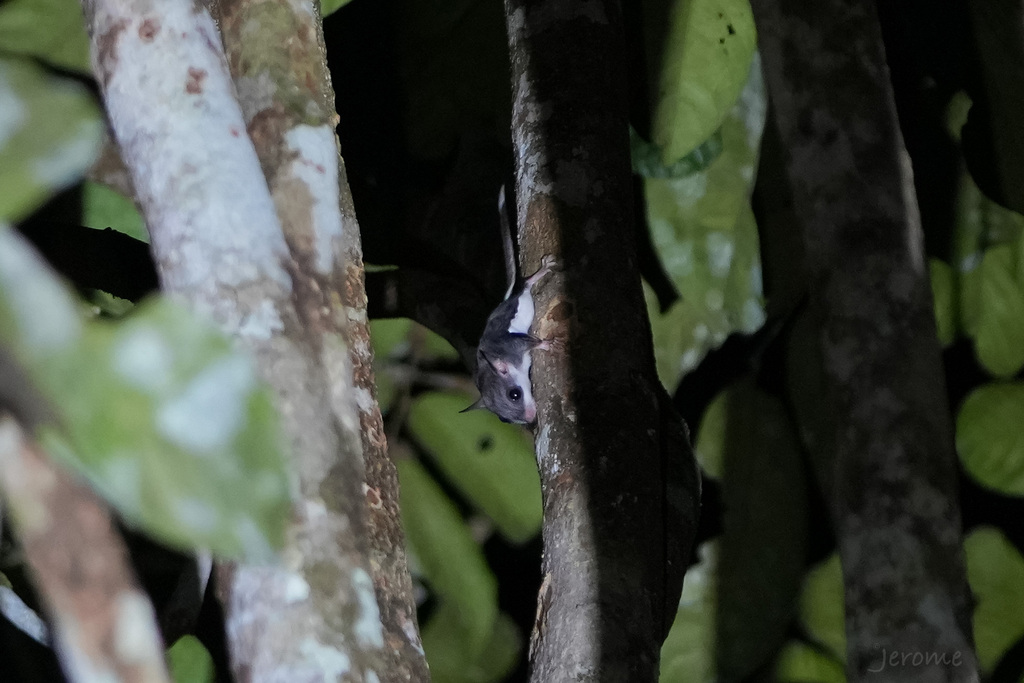
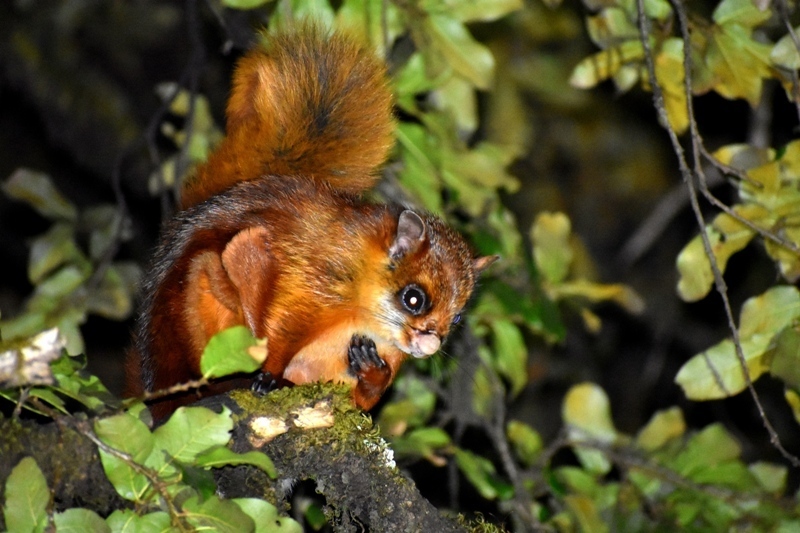
Species-specific adult measurements and diagnostic pelage details are not yet sufficiently standardized in available species-specific references. Genus context: Pteromys is a small-to-medium flying-squirrel lineage; exact field identification should use locality, measurements and current taxonomic references together.
As a member of Pteromyini, this species uses a furred patagium between the fore- and hind limbs for controlled gliding. Wrist-supported membrane anatomy and the tail contribute to lift, steering, braking and landing. Species-specific maximum glide distance: Unknown.
Pteromyini context: Flying squirrels glide rather than perform powered flight. The patagium creates an aerodynamic surface, specialized wrist structures help support that surface, and the flattened or bushy tail contributes to stability and control.
Activity: nocturnal arboreal glider, often strongly dependent on mature forest structure
Social system: Unknown at species-specific detail.
Communication: Unknown at species-specific detail. Flying squirrels also use scent, posture and acoustic signals, but a species-specific repertoire is not assigned without direct evidence.
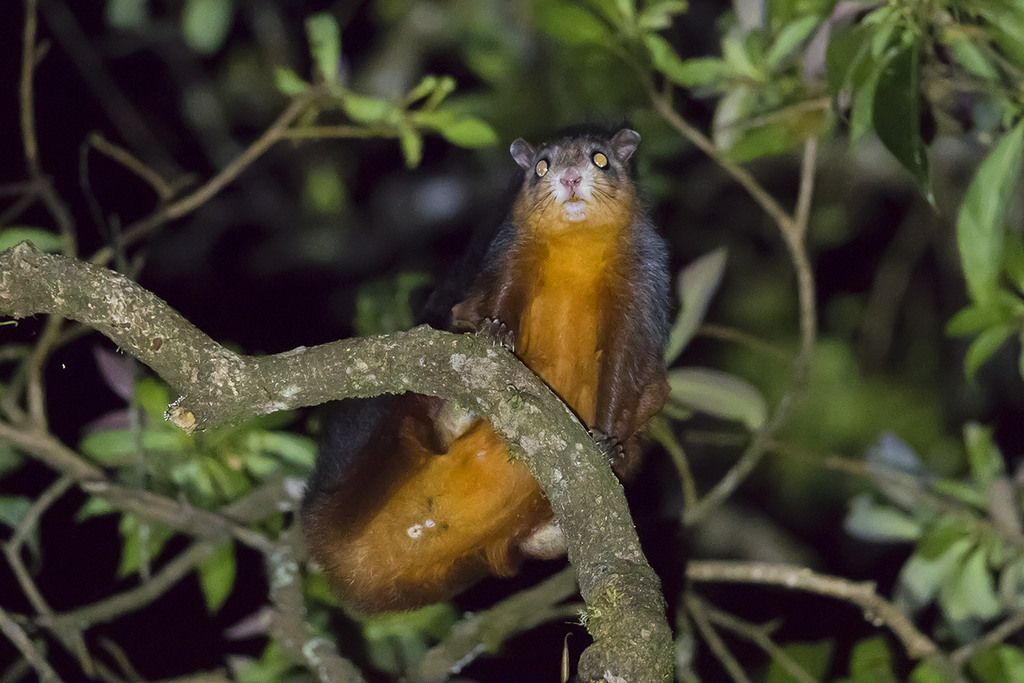
These are related flying squirrels, not photographs of Japanese Flying Squirrel. Use them as visual context for locomotion, posture, feeding and environmental use.
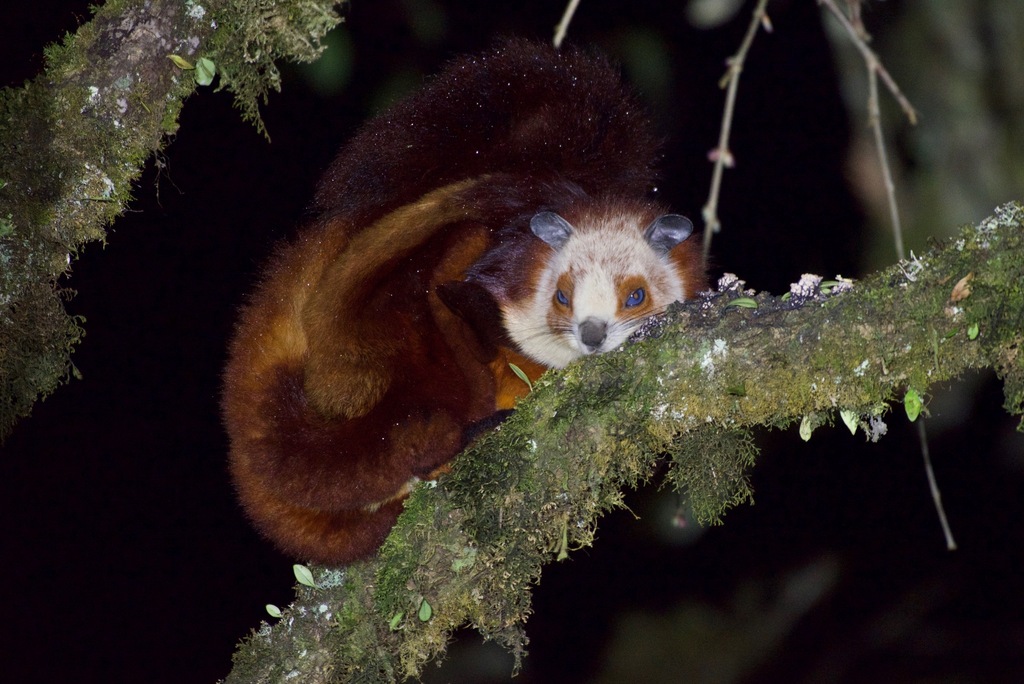
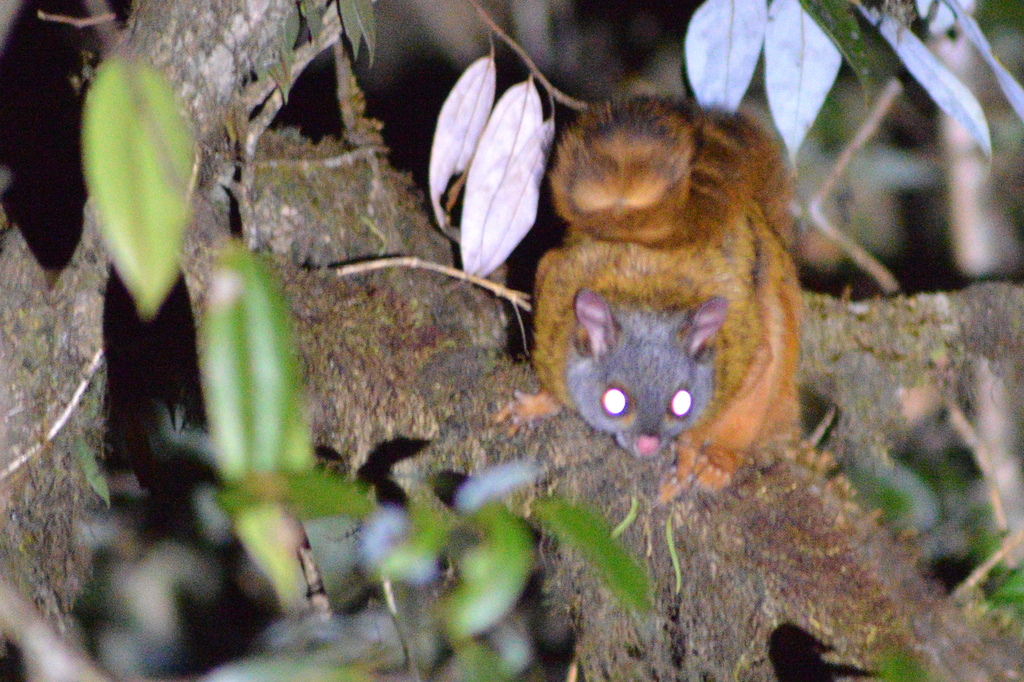
Species-specific diet: Unknown or incompletely documented in available references. Genus context: buds, leaves, seeds, catkins and other plant foods; exact mix varies by species.
Unknown values remain explicit. Reproductive figures from related flying squirrels are not silently substituted for this species.
Unknown
Species-specific predator list: Unknown. Flying squirrels are broadly preyed on by nocturnal raptors, snakes and mammalian carnivores, with the exact predator community depending on region.
Species-specific ecological role is incompletely documented. Genus context: forest consumer and prey; cavity availability can constrain populations.
Squirrels in the same broad group can look and live very differently. These credited references provide comparison without changing the facts for Japanese Flying Squirrel.
Current MDD status shown above. Species with narrow island or montane distributions can face serious local habitat pressure even when a global assessment is not available.
Natural-history coverage is incomplete. Taxonomy, current country distribution and conservation category are anchored to MDD; unsupported measurements, reproduction and lifespan remain Unknown rather than inferred from relatives.
Genus context: Pteromys is a small-to-medium flying-squirrel lineage associated broadly with temperate and boreal forest in Eurasia and Japan. This is genus-level context where direct species-specific data are missing.
Taxonomy, distribution and conservation status follow the Mammal Diversity Database.